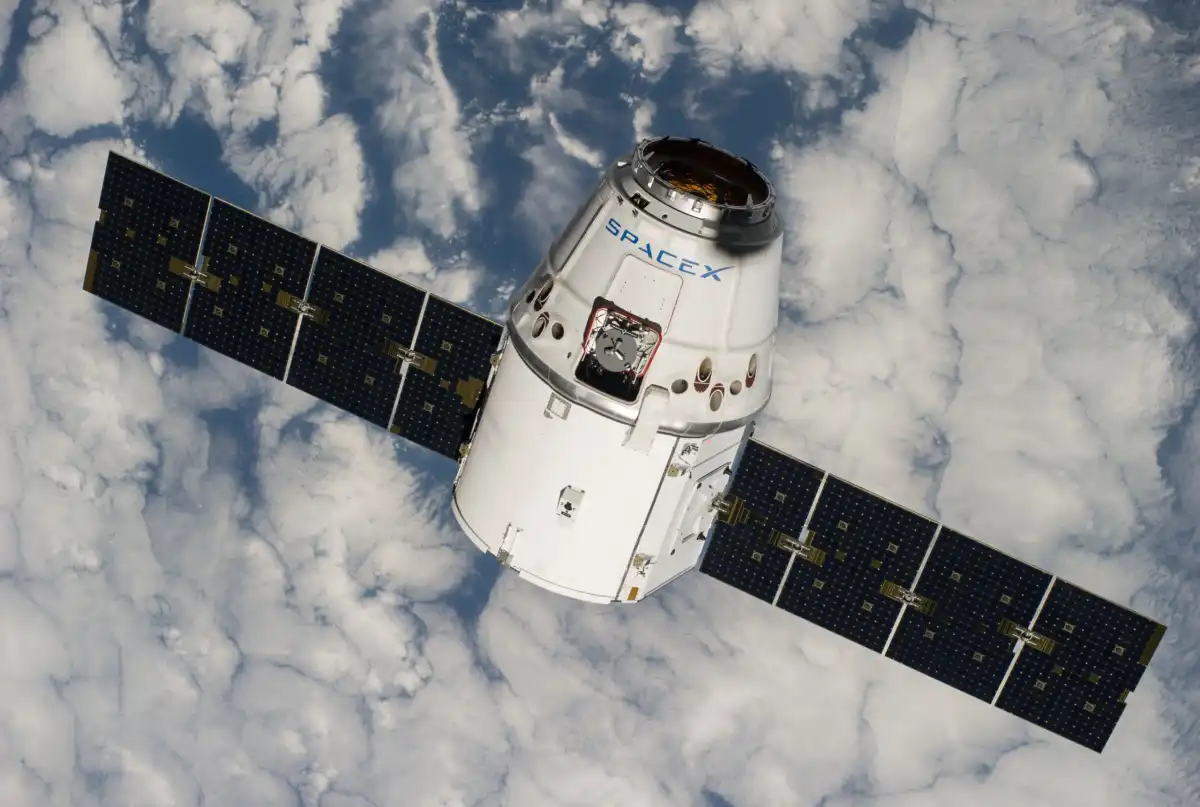
SpaceX has announced plans to build its own natural gas pipeline, dubbed Starpipe, which will stretch 8 miles from the Port of Brownsville in Texas to its Starbase launch facility. The pipeline is expected to be operational by January 2027 and will supply liquid methane fuel for the company's Starship rocket.
The move marks a significant step towards SpaceX's goal of achieving rapid reusability and increasing its launch cadence, which currently stands at up to 25 launches per year. With the pipeline in place, SpaceX aims to reduce its reliance on external suppliers and maintain end-to-end control over its supply chain.
What Happened
The plans for Starpipe were revealed through filings with the Texas Railroad Commission by Lone Star Mineral Development, a SpaceX affiliate. The pipeline will originate from an 83-acre tract of land at the Port of Brownsville, which SpaceX is negotiating to lease for 50 years. From there, it will cross the Brownsville Ship Channel and reach Starbase at Boca Chica.
Engineering plans filed with the U.S. Army Corps of Engineers show that a liquefaction plant will be built on-site at Starbase to convert piped gas into liquid methane rocket fuel. This move is expected to eliminate the need for hundreds of tanker trucks currently used to transport liquid methane to the launch site.
Background and Context
SpaceX has been investing heavily in expanding its Starship launch infrastructure to support a faster flight rate. The company has already completed 12 test launches since 2023, but Musk aims to ramp up to dozens, hundreds, and eventually thousands of launches per year.
The Starship rocket uses around 630,000 gallons of liquid methane each launch, making it one of the most fuel-hungry rockets in operation. With its current reliance on external suppliers, SpaceX is limited by the pace at which it can transport fuel to the launch site.
Why It Matters
The construction of Starpipe marks a significant shift towards vertical integration for SpaceX, allowing the company to control nearly every stage of its supply chain. By building its own natural gas infrastructure, SpaceX aims to reduce its reliance on external suppliers and maintain end-to-end control over its operations.
This move is also in line with Elon Musk's vision for SpaceX to become a fully integrated space transportation company, capable of launching thousands of Starships per year. With the pipeline in place, SpaceX will be able to scale up its launch cadence and support its ambitious plans for lunar and Mars missions.
What Comes Next
The construction of Starpipe is expected to begin next month, with a target completion date of January 2027. Once operational, the pipeline will supply liquid methane fuel for the Starship rocket, reducing the need for external suppliers and allowing SpaceX to maintain end-to-end control over its operations.
While extracting natural gas would be a challenging pursuit for a company with no oil and gas experience, Stan Lindsey, an oil and gas consultant in Texas, notes that it's not beyond the realm of possibility. If drilling plans fall short, Starpipe will serve as a fallback position for SpaceX.
Key Facts
- SpaceX is building its own natural gas pipeline, dubbed Starpipe, which will stretch 8 miles from the Port of Brownsville in Texas to its Starbase launch facility.
- The pipeline is expected to be operational by January 2027 and will supply liquid methane fuel for the company's Starship rocket.
- Starpipe will originate from an 83-acre tract of land at the Port of Brownsville, which SpaceX is negotiating to lease for 50 years.
- The pipeline will cross the Brownsville Ship Channel and reach Starbase at Boca Chica, where a liquefaction plant will be built on-site to convert piped gas into liquid methane rocket fuel.
- SpaceX has signed over 100 paid-up oil and gas leases with Texas property owners since 2023, in preparation for its drilling operations.
The construction of Starpipe marks a significant step towards SpaceX's goal of achieving rapid reusability and increasing its launch cadence. With the pipeline in place, SpaceX will be able to scale up its launch cadence and support its ambitious plans for lunar and Mars missions.