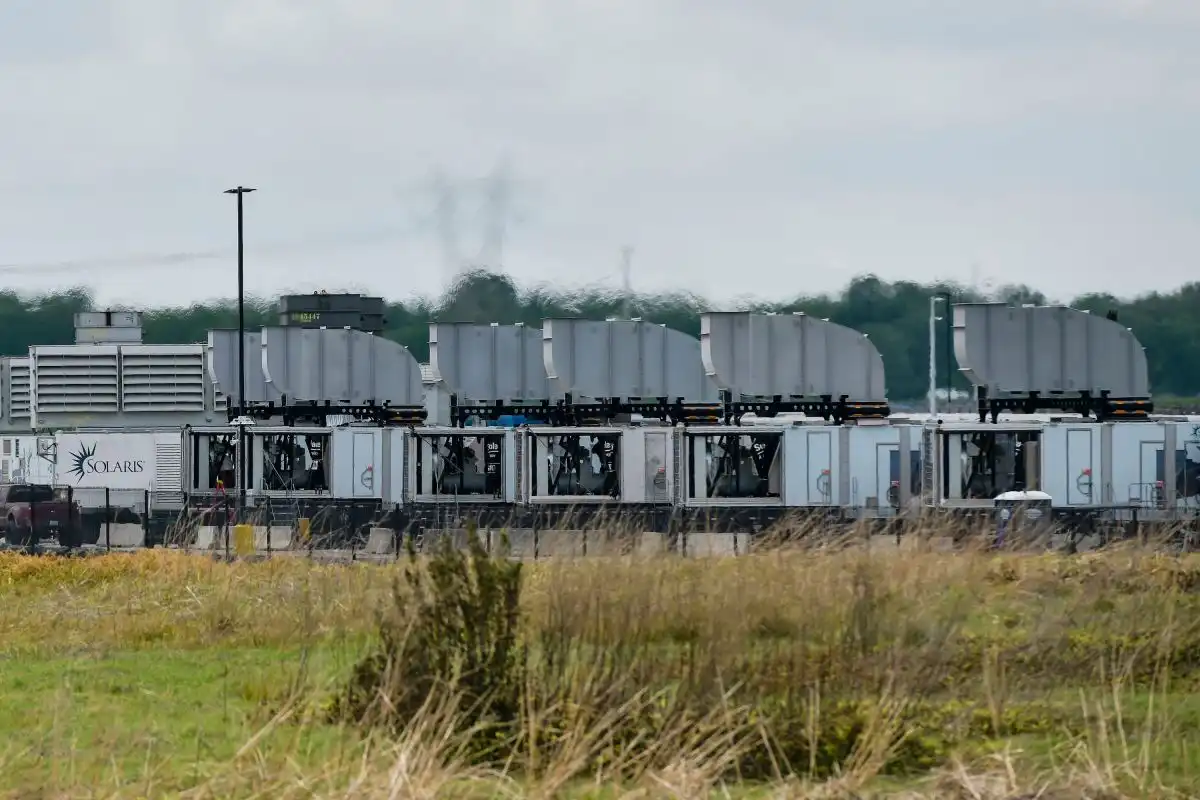
Microsoft and Chevron have announced plans to develop a massive gas-powered data center project in West Texas, which will provide dedicated electricity to a Microsoft-operated data center. The project, called Project Kilby, is expected to be one of the largest co-located natural gas power and data center developments in the US.
What Happened
The partnership between Microsoft and Chevron was announced on Monday, with the two companies signing a 20-year power purchase agreement. The project will involve the construction of a 2.67-gigawatt natural gas power plant, which will provide electricity to a Microsoft-operated data center. The plant is expected to start producing power by 2028 and will ramp up to its full capacity over time.
The data center, which will be located in West Texas, is expected to consume nearly 2.7 gigawatts of electricity, equivalent to the power needed to run about 2 million homes. The majority of the electricity will come from large gas turbines provided by Chevron's partner, GE Vernova, with Caterpillar also supplying turbines.
Background and Context
The rapid growth of artificial intelligence (AI) has led to a surge in demand for computing capacity and electricity. Microsoft, which has invested heavily in AI infrastructure since expanding its partnership with OpenAI, is building data centers at an unprecedented rate to power its AI applications. The company plans to double its data-center footprint over the next two years, with a significant portion of that growth coming from projects like Project Kilby.
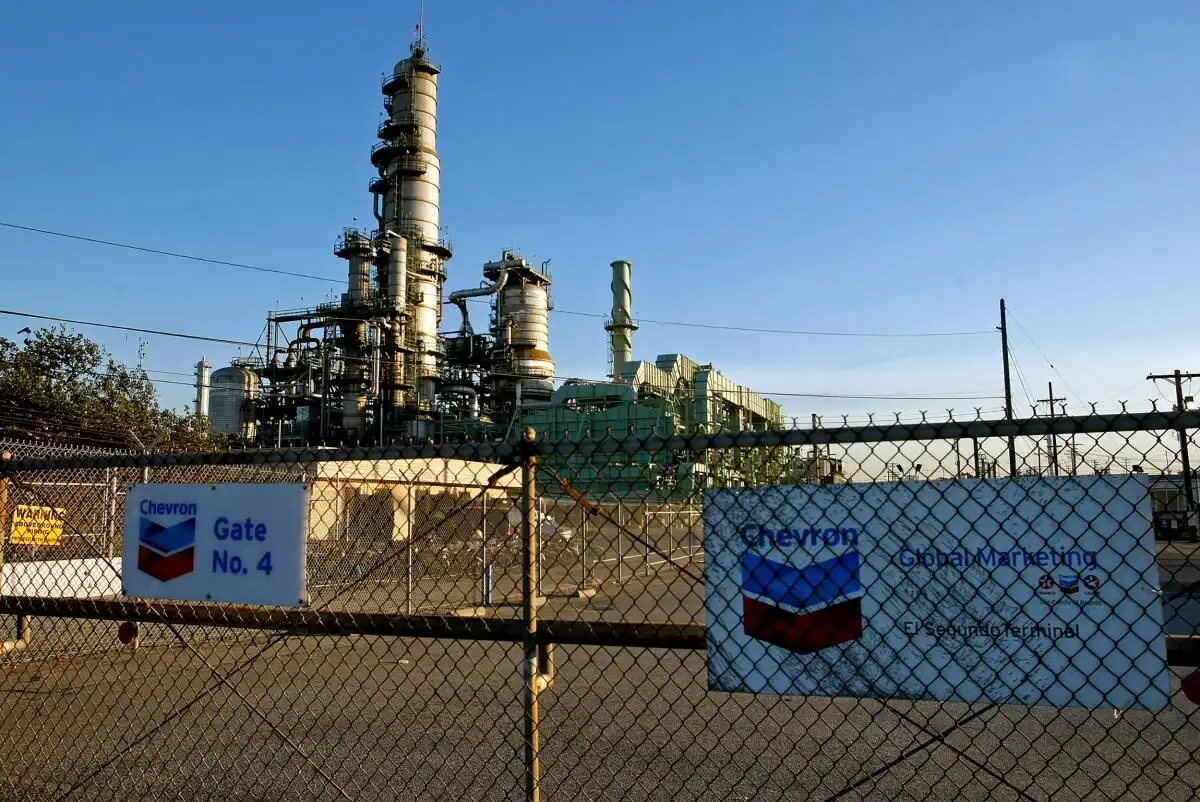
Chevron, one of the largest energy companies in the US, has also been expanding its efforts to provide power solutions for data centers as utilities struggle to keep pace with rising electricity consumption. The company's president of New Energies, Jeff Gustavson, said that the partnership reflects increasing demand from technology firms seeking dependable energy sources for large computing operations.
Why it Matters to the Industry
The Project Kilby development is significant not only because of its scale but also because of its reliance on natural gas. While many technology companies have pledged to reduce carbon emissions, Microsoft's partnership with Chevron shows a willingness to invest in fossil fuels to meet its electricity needs. The project will generate its own power, meaning it will not draw from the grid or involve a local utility, which could help alleviate concerns about power-demand growth.
The rapid growth of AI "requires energy infrastructure that can scale quickly and reliably," said Noelle Walsh, Microsoft's president of cloud operations and innovation. For Chevron, the project represents an opportunity to quickly and reliably deliver natural gas from the Permian Basin to data centers at a competitive cost.
What Comes Next
The Project Kilby development is expected to attract scrutiny from environmental groups due to its reliance on natural gas. Microsoft has previously committed to becoming carbon negative by 2030, and this project may raise questions about the company's ability to meet that goal. Chevron expects to make a final investment decision on the project later this year, with construction set to begin soon after.
The partnership between Microsoft and Chevron highlights the growing energy demands created by the rapid expansion of AI infrastructure. As technology companies continue to build data centers at an unprecedented rate, they will need to find reliable and scalable sources of electricity to power their operations. The Project Kilby development is a significant step in that direction, but it also raises important questions about the environmental impact of these projects.
Key Facts
- The project, called Project Kilby, will provide dedicated electricity to a Microsoft-operated data center in West Texas.
- The plant is expected to start producing power by 2028 and will ramp up to its full capacity over time.
- The majority of the electricity will come from large gas turbines provided by Chevron's partner, GE Vernova.
- Chevron expects the data center to consume nearly 2.7 gigawatts of electricity, equivalent to the power needed to run about 2 million homes.
- Microsoft plans to double its data-center footprint over the next two years, with a significant portion of that growth coming from projects like Project Kilby.
- The project will generate its own power, meaning it will not draw from the grid or involve a local utility.