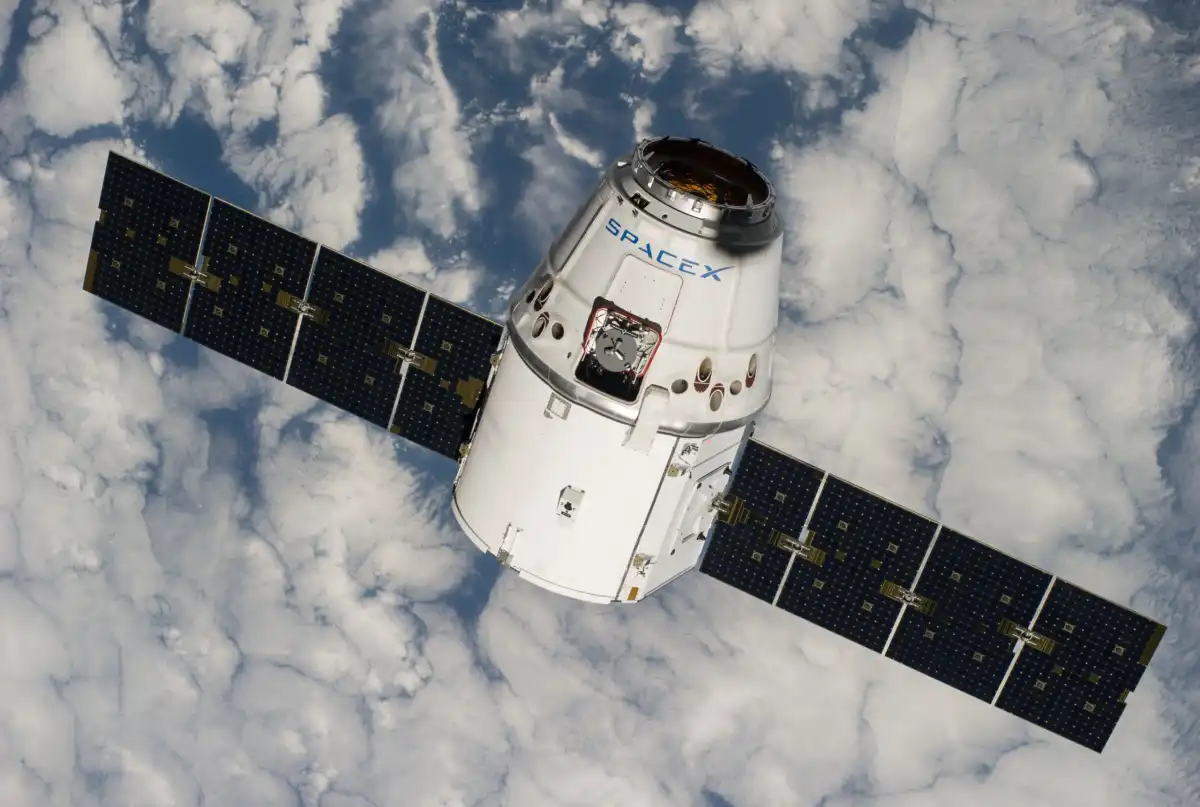
SpaceX, the private aerospace company founded by Elon Musk, has announced plans to launch a direct-to-consumer Starlink mobile service in the United States. This move marks a significant shift for the company, which has previously relied on partnerships with existing telecom carriers like T-Mobile to provide supplemental coverage in rural areas.
The news was first reported by the Financial Times, citing sources close to the matter. According to the report, SpaceX President Gwynne Shotwell told investors during the company's recent IPO roadshow that the group is considering launching a Starlink retail mobile product for US consumers. The move would allow SpaceX to compete directly with Verizon, AT&T, and T-Mobile in the lucrative US mobile market.
What Happened
The decision to launch a direct-to-consumer Starlink mobile service marks a significant pivot for the company. Up until now, Starlink's mobile ambitions were viewed purely as a supplemental "Direct-to-Cell" backup system built in partnership with existing telecom carriers like T-Mobile to eliminate dead zones in rural pockets.
The Financial Times report reveals that SpaceX is preparing to bypass the middleman entirely and sell standard cellular mobile contracts directly to everyday US consumers under the Starlink brand. This would allow the company to capture highly sticky consumer subscription revenue, expanding its market addressable size beyond fixed rural dish setups to target any smartphone user in America.
Background and Context
The acquisition of wireless spectrum licenses from EchoStar for $17 billion in September 2025 and an additional $2.6 billion in November marked a significant turning point for SpaceX's mobile ambitions. The company has been building up its satellite constellation, which now boasts over 10 million subscribers, and has used this infrastructure to provide supplemental coverage in rural areas.
The partnership with T-Mobile, launched commercially in July 2025, allows users to access Starlink direct-to-cell coverage for texts, emergency messaging, and selected app data outside ordinary tower range. However, this arrangement keeps Starlink subordinate to somebody else's pricing, customer relationship, and retail brand.
Why It Matters to the Industry
The launch of a direct-to-consumer Starlink mobile service would be a significant disruption to the $1.6 trillion US communications industry. SpaceX would no longer rely on partnerships with existing telecom carriers like T-Mobile, but instead sell standard cellular mobile contracts directly to consumers under its own brand.
This move would allow SpaceX to capture highly sticky consumer subscription revenue and expand its market addressable size beyond fixed rural dish setups to target any smartphone user in America. The company's satellite constellation already boasts over 10 million subscribers, providing a significant customer base for the new mobile service.
What Comes Next
The launch of a direct-to-consumer Starlink mobile service would require significant investment and infrastructure development. SpaceX would need to build its own physical, terrestrial US wireless mobile network on the ground to handle high-density urban traffic, which could be a complex and costly endeavor.
However, with the acquisition of wireless spectrum licenses from EchoStar, SpaceX has acquired the legal and physical airwaves required to broadcast cellular data directly to consumer handsets without interfering with existing networks. This would allow the company to stand up an affordable, highly robust network that bypasses the multi-year regulatory hurdles usually required to launch a new mobile service.
Key Facts
- SpaceX plans to launch a direct-to-consumer Starlink mobile service in the United States.
- The move would allow SpaceX to compete directly with Verizon, AT&T, and T-Mobile in the lucrative US mobile market.
- SpaceX has acquired wireless spectrum licenses from EchoStar for $17 billion in September 2025 and an additional $2.6 billion in November.
- The company's satellite constellation already boasts over 10 million subscribers, providing a significant customer base for the new mobile service.
- SpaceX would need to build its own physical, terrestrial US wireless mobile network on the ground to handle high-density urban traffic.
The launch of a direct-to-consumer Starlink mobile service marks a significant shift for SpaceX and has far-reaching implications for the $1.6 trillion US communications industry. As the company continues to build out its satellite constellation and infrastructure, it is clear that SpaceX is positioning itself as a major player in the global telecommunications market.