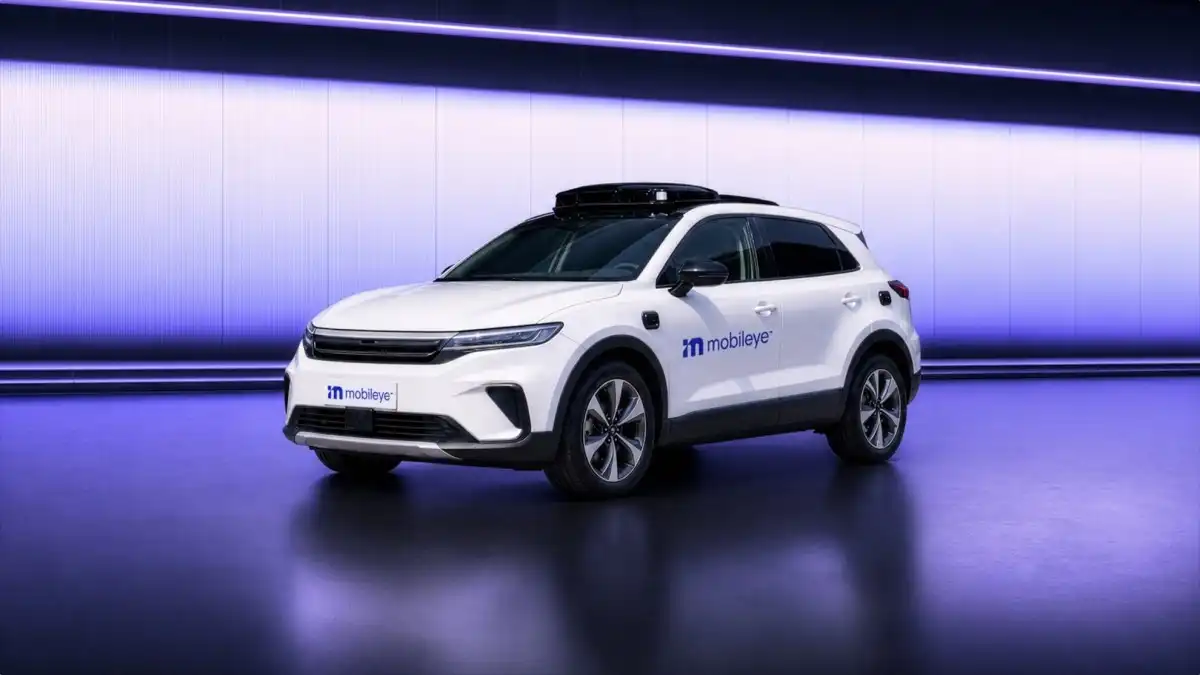
Mobileye, an Israeli-based subsidiary of Intel, has announced plans to launch its own robotaxi service in a major US city by 2027. This move marks a significant shift for the company, which has previously focused on supplying autonomous driving technology to automakers and mobility companies.
What Happened
The initial launch will begin with a fleet of approximately 100 vehicles in a single metropolitan area, deployed in phases during 2027. If successful, Mobileye aims to scale the service dramatically, targeting around 17,000 vehicles over the following five years.
This move puts Mobileye on both sides of the autonomous vehicle industry: it will continue to supply its self-driving technology to automakers and mobility companies while also competing with them as an operator. The company has stated that this new business will complement its existing partnerships, rather than replace them.
Background and Context
Mobileye has been a leading provider of autonomous driving systems for several years, supplying its EyeQ chips and SuperVision driver assistance systems to companies like BMW, Volkswagen, and Zeekr. The company's technology is already being used in various pilot programs around the world.
The Moovit platform, which Mobileye acquired in 2020, will play a key role in the robotaxi service. Moovit is a transit and mobility app that helps millions navigate public transportation in cities worldwide. By adding a robotaxi network to this established framework, Mobileye can tap into a ready user base and routing intelligence right from the start.
Why It Matters to the Industry
This move by Mobileye has significant implications for the autonomous vehicle industry as a whole. The company's decision to launch its own robotaxi service creates tension with its existing partners, who may now regard Mobileye as a competitor for rides rather than just a vendor.
Industry analysts have noted that this trend is similar to what we've seen in other tech industries: component suppliers moving up the value chain to grab more revenue. This shift could lead to increased competition and innovation in the autonomous vehicle space, but it also raises questions about the long-term sustainability of Mobileye's business model.
What Comes Next
The success of Mobileye's robotaxi service will depend on various factors, including the quality of its technology, the efficiency of its operations, and the demand for autonomous ride-hailing services in the US market. If successful, this move could pave the way for other companies to follow suit, potentially disrupting the entire industry.
Mobileye's decision to launch its own robotaxi service also raises questions about the role of automakers and mobility companies in the autonomous vehicle ecosystem. Will they continue to rely on Mobileye's technology, or will they seek out alternative suppliers? Only time will tell.
Key Facts
- Mobileye plans to launch its own robotaxi service in a major US city by 2027.
- The initial launch will begin with a fleet of approximately 100 vehicles, deployed in phases during 2027.
- Mobileye aims to scale the service dramatically, targeting around 17,000 vehicles over the following five years.
- The company's technology will be used in conjunction with its Moovit platform.
- This move puts Mobileye on both sides of the autonomous vehicle industry: it will continue to supply its self-driving technology to automakers and mobility companies while also competing with them as an operator.