The vLLM V0 to V1 migration has finally been resolved after a series of fixes addressed train-inference mismatches that were causing instability in reinforcement learning (RL) training runs. The update is significant for RL pipelines, which rely on consistency and accuracy to function correctly.
What Happened
The vLLM V1 migration was initially met with anxiety due to subtle differences in logprobs and backend behavior that could destabilize RL training runs. The train-inference mismatch was identified as the primary cause of the issue, which led to a series of fixes aimed at eliminating this discrepancy.
According to a detailed guide published by Mind Wired AI, the migration story is now about correctness first, speed second. The key fix areas include processed logprobs, runtime defaults, in-flight weight updates, and fp32 for the lm_head. These changes are crucial for maintaining consistency between what the trainer thinks the model is doing and what the inference engine actually returns.
Background and Context
vLLM V1 is a substantial rewrite of the vLLM V0 engine, which was designed to provide strong performance gains in RL training. However, the new version introduced subtle differences in logprobs and backend behavior that could destabilize RL training runs. The issue was first identified by AI21 Labs while working on their Jamba model, where they noticed that the model would occasionally generate complete gibberish.
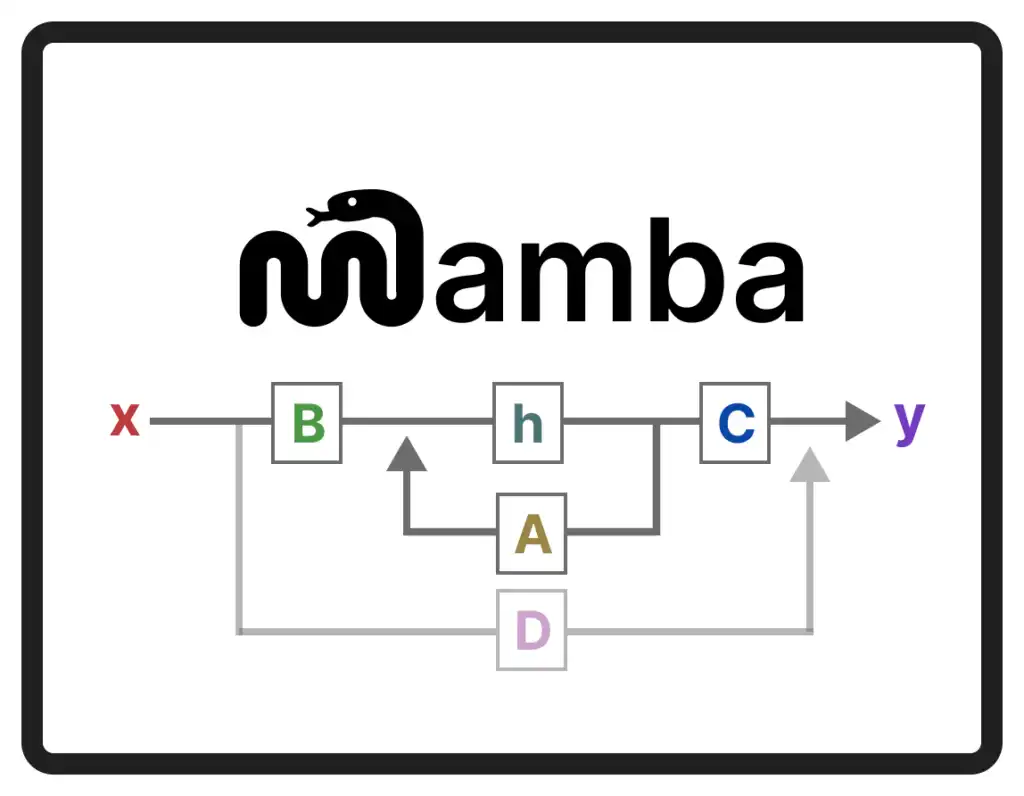
The team at AI21 Labs built a comparison script to systematically detect and measure these failures, which became their primary diagnostic tool throughout this investigation. They eventually discovered that the bug was related to vLLM's request scheduling and cache management, particularly with regards to how it interacts with model architectures like Mamba.
Why It Matters to the Industry
The vLLM V1 migration is significant for RL pipelines, which rely on consistency and accuracy to function correctly. Fast inference is useless if it quietly corrupts the training loop, making this backend fix a crucial step in ensuring the stability of RL training runs.
According to Mind Wired AI's guide, the update is not just a cosmetic improvement but a backend correctness push that ensures vLLM V1 behaves like a trustworthy replacement for V0 instead of a faster engine that quietly changes training dynamics. The key takeaway is that teams running PPO, GRPO, DPO, or similar RL workflows can now safely migrate to vLLM V1 without worrying about destabilizing their training runs.
What Comes Next
The migration checklist provided by Mind Wired AI emphasizes the importance of enabling processed logprobs, stopping implicit defaults, using fp32 on the lm_head where needed, and watching clip rate and KL drift. These steps are crucial for maintaining consistency between what the trainer thinks the model is doing and what the inference engine actually returns.
As teams begin to migrate to vLLM V1, they should keep in mind that this update is not just about speed but also about correctness. By prioritizing backend correctness first, teams can ensure that their RL training runs are stable and accurate, which is essential for achieving optimal results in reinforcement learning.
Key Facts
- vLLM V1 has been updated to address train-inference mismatches that were causing instability in RL training runs.
- The key fix areas include processed logprobs, runtime defaults, in-flight weight updates, and fp32 for the lm_head.
- The migration story is now about correctness first, speed second.
- Teams running PPO, GRPO, DPO, or similar RL workflows can safely migrate to vLLM V1 without worrying about destabilizing their training runs.
- The update is not just a cosmetic improvement but a backend correctness push that ensures vLLM V1 behaves like a trustworthy replacement for V0.