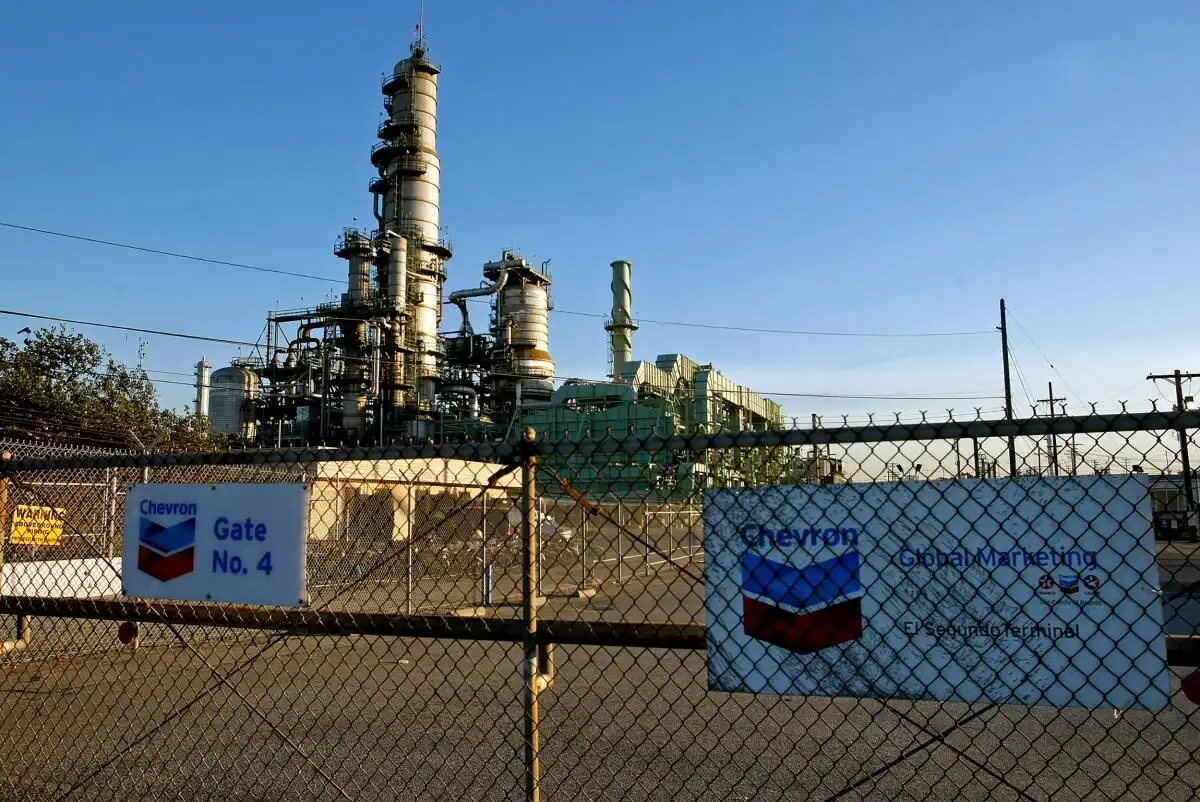
The US Department of Justice has intervened on behalf of xAI, a company owned by Elon Musk's SpaceX, in a lawsuit filed by the NAACP over unpermitted gas turbines at its data centers in Memphis. The DOJ claims that shutting down the turbines would undermine "American national, economic, and energy security" due to their use in supporting military operations.
The lawsuit was sparked by concerns over air pollution from the turbines, which have been linked to asthma and other health issues in the local community. xAI has claimed that its turbines are exempt from Mississippi's air-permitting rules because they are mounted on trailers and classified as "temporary" mobile equipment.
Background and Context
xAI's data centers, Colossus I and II, use natural gas turbines to power their operations. The company has installed 57 turbines at its Southaven facility in Mississippi, despite only having permits for 15 of them. The NAACP alleges that xAI is violating the Clean Air Act by operating these unpermitted turbines.
The Department of Defense's Chief Digital and Artificial Intelligence Officer, Cameron Stanley, submitted a declaration supporting the DOJ's request to intervene in the case. Stanley stated that Grok, xAI's AI model, offers features unique to xAI and is used for mission-critical operations by the military. He claimed that forcing xAI to stop running its gas turbines would directly threaten ongoing national security interests.
Stanley also revealed that Grok was used in the recent US-Iran war, enabling US forces to deploy over 2,000 munitions to 2,000 distinct targets within 96 hours. This use of AI technology highlights the critical role it plays in supporting military operations and underscores the DOJ's argument that shutting down xAI's turbines would compromise national security.
Why It Matters to the Industry
The implications of this case extend beyond the adult industry, as it raises questions about the intersection of technology, energy consumption, and environmental regulation. The use of gas turbines at data centers highlights the need for sustainable and environmentally friendly solutions in the tech sector.
For adult-industry platforms and operators, this story serves as a reminder of the importance of considering the broader implications of their technological choices. As the industry continues to grow and evolve, it must also prioritize responsible energy consumption and environmental stewardship.
The National Security Argument
The DOJ's national security argument is based on the claim that xAI's AI model, Grok, supports mission-critical operations for the military. This raises questions about the role of AI in supporting national security interests and the potential consequences of limiting access to this technology.
The use of AI in military operations highlights the need for a nuanced understanding of the relationship between technology and national security. As the industry continues to develop and deploy AI technologies, it must also consider the ethical implications of these developments.
What Comes Next
The case is ongoing, with the DOJ's motion to intervene still pending. The outcome will have significant implications for xAI, the adult industry, and the broader tech sector. As the story continues to unfold, it will be essential to monitor developments and consider the potential consequences of this case.
Key Facts
- The NAACP filed a lawsuit against xAI over unpermitted gas turbines at its data centers in Memphis.
- The DOJ intervened on behalf of xAI, claiming that shutting down the turbines would undermine "American national, economic, and energy security."
- xAI has installed 57 turbines at its Southaven facility in Mississippi, despite only having permits for 15 of them.
- Grok, xAI's AI model, offers features unique to xAI and is used for mission-critical operations by the military.
- The Department of Defense's Chief Digital and Artificial Intelligence Officer, Cameron Stanley, submitted a declaration supporting the DOJ's request to intervene in the case.