Serving large language models to multiple applications and users in parallel poses significant challenges due to limited GPU resources. Recent research has focused on optimizing request queueing and scheduling strategies for efficient LLM performance.
Background and Context
The increasing demand for interactive AI assistants, chatbots, and other applications that rely on large language models (LLMs) has led to a surge in the development of LLM-serving systems. However, these systems often struggle with unpredictable spikes in traffic, resulting in sluggish performance or even downtime. To address this issue, researchers have proposed various queue management strategies for efficient LLM serving.
One such strategy is QLM (Queue Management for SLO-Oriented Large Language Model Serving), a system designed to maintain batch and interactive requests across different models and service-level objectives (SLOs) in a request queue. QLM uses a Request Waiting Time (RWT) Estimator to generate an optimal ordering of the request queue, ensuring high resource utilization while maintaining SLOs.
Why it Matters to the Industry
The challenges posed by serving LLMs to multiple applications and users in parallel are particularly relevant to the adult industry. Adult platforms often experience sudden spikes in traffic due to popular events or trends, which can overwhelm their resources and lead to poor performance. Optimizing request queueing and scheduling strategies is crucial for maintaining a stable and responsive environment.
Furthermore, LLMs are increasingly being used in adult applications such as chatbots, virtual assistants, and content generation tools. Efficient LLM serving is essential for providing a seamless user experience and ensuring that these applications can handle high volumes of traffic without compromising performance.
Recent Research and Developments
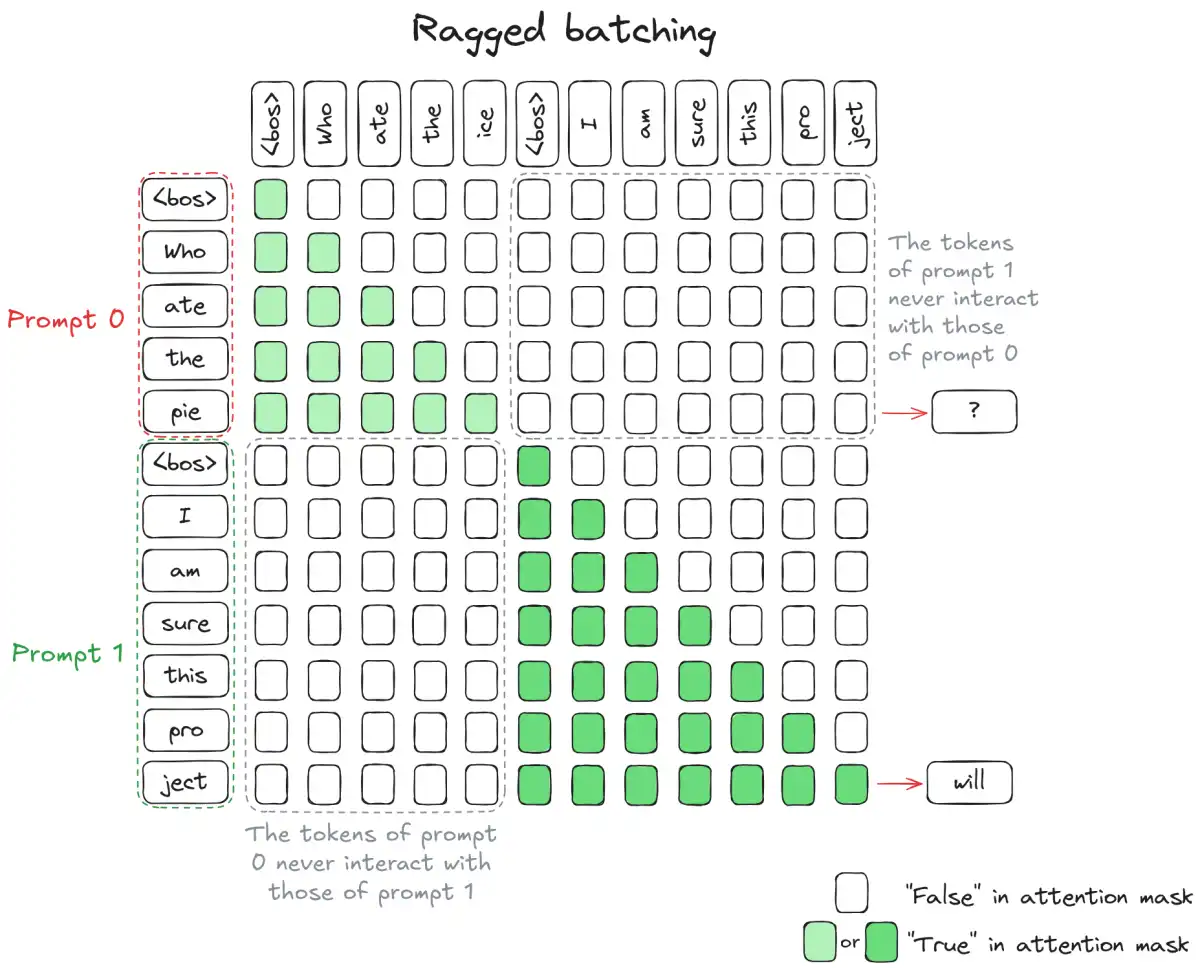
Researchers have proposed various queue management strategies for efficient LLM serving. One such strategy is the use of asynchronous (async) prompt queues, which allow systems to smoothly juggle many tasks at once. This approach can yield dramatic improvements in throughput by reducing the time spent waiting for one task to finish before starting the next.
Another recent development is the introduction of priority-based scheduling options in some LLM inference engines. For example, vLLM's priority-based scheduling feature allows requests to be tagged with a priority level, enabling the engine to prioritize high-priority requests and reduce waiting times for other users.
Key Facts
- QLM (Queue Management for SLO-Oriented Large Language Model Serving) is a system designed to maintain batch and interactive requests across different models and service-level objectives (SLOs) in a request queue.
- QLM uses a Request Waiting Time (RWT) Estimator to generate an optimal ordering of the request queue, ensuring high resource utilization while maintaining SLOs.
- Asynchronous (async) prompt queues can yield dramatic improvements in throughput by reducing waiting times for tasks.
- vLLM's priority-based scheduling feature allows requests to be tagged with a priority level, enabling the engine to prioritize high-priority requests and reduce waiting times for other users.
- Efficient LLM serving is essential for maintaining a stable and responsive environment in adult applications such as chatbots, virtual assistants, and content generation tools.
What Comes Next?
The development of efficient request queueing and scheduling strategies for LLMs is an ongoing area of research. Future studies will likely focus on further optimizing these strategies to improve resource utilization, reduce waiting times, and enhance overall performance.
As the demand for interactive AI assistants and other applications that rely on LLMs continues to grow, it is essential for researchers and developers to prioritize efficient LLM serving. By doing so, they can ensure that these applications provide a seamless user experience even in high-traffic situations.