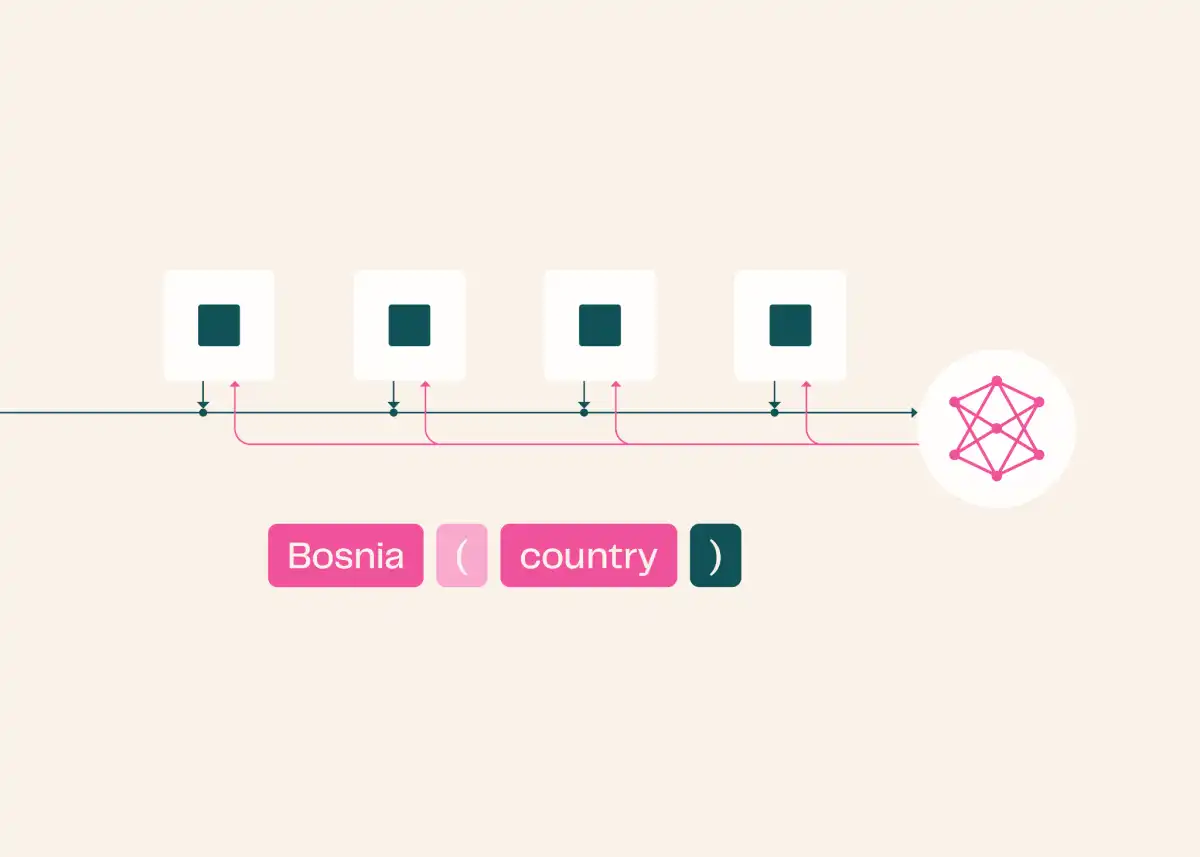
The landscape of Retrieval-Augmented Generation (RAG) is shifting rapidly from text-only pipelines to sophisticated multimodal architectures. As developers strive to build systems that understand both images and text, the need for high-performance embeddings and rerankers has never been greater. With the release of Sentence Transformers v3, training and finetuning multimodal models has become significantly more accessible.
The Architecture of Multimodal Embeddings
Multimodal embeddings aim to map different modalities—typically text and images—into a shared vector space. In this space, a text description like "a sunset over the mountains" should reside near an actual image of a mountain sunset. Traditionally, this was achieved using models like CLIP (Contrastive Language-Image Pre-training). However, Sentence Transformers now allows for more flexible training regimes.
When you utilize the n1n.ai API for high-speed inference, you are often interacting with models that have undergone similar contrastive learning processes to ensure high semantic accuracy. This is particularly useful in applications such as visual question answering, image captioning, and multimodal sentiment analysis.
Setting Up the Environment
To begin training, you need the sentence-transformers library along with torch and torchvision. The v3 update introduces a dedicated Trainer class that simplifies the boilerplate code required for contrastive learning.
```python from sentence_transformers import SentenceTransformer, SentenceTransformerTrainer from sentence_transformers.losses import ContrastiveLoss from datasets import load_dataset
# Load a base multimodal model (e.g., CLIP or SigLIP) model = SentenceTransformer("clip-ViT-B-32") ```
Data Preparation for Multimodal Tasks
For multimodal training, your dataset must consist of pairs or triplets. A common format is a (text, image) pair. The datasets library from Hugging Face is the standard for handling these large-scale binary objects.
Pro Tip: Ensure your images are pre-resized to the model's expected input resolution (e.g., 224x224 for CLIP) to avoid on-the-fly processing bottlenecks during training.
Training the Embedding Model
The core of training lies in the choice of Loss Function. For multimodal tasks, MultipleNegativesRankingLoss (MNRL) is often the most effective. It treats other samples in the batch as negative examples, which is computationally efficient and highly effective for retrieval.
```python train_loss = MultipleNegativesRankingLoss(model)
trainer = SentenceTransformerTrainer( model=model, train_dataset=train_dataset, eval_dataset=eval_dataset, loss_function=train_loss, ) ```
Key Facts
- Multimodal embeddings aim to map different modalities into a shared vector space.
- Sentence Transformers v3 introduces a dedicated Trainer class for contrastive learning.
- MultipleNegativesRankingLoss (MNRL) is the most effective loss function for multimodal tasks.
- Pre-resizing images to the model's expected input resolution is crucial for efficient training.
What Comes Next
As the industry continues to shift towards multimodal architectures, Sentence Transformers v3 provides a powerful toolset for developers to create high-performance embeddings and rerankers. With its flexible training regimes and dedicated Trainer class, the possibilities for innovation are vast. Whether you're working on visual question answering, image captioning, or multimodal sentiment analysis, Sentence Transformers v3 is an essential resource for any developer looking to push the boundaries of what's possible in RAG.
References
- [1] GitHub - huggingface/sentence-transformers: State-of-the-Art Embeddings, Retrieval, and Reranking
- [2] Training and Finetuning Multimodal Embedding and Reranker Models
- [3] sentence-transformers
- [4] Training Overview