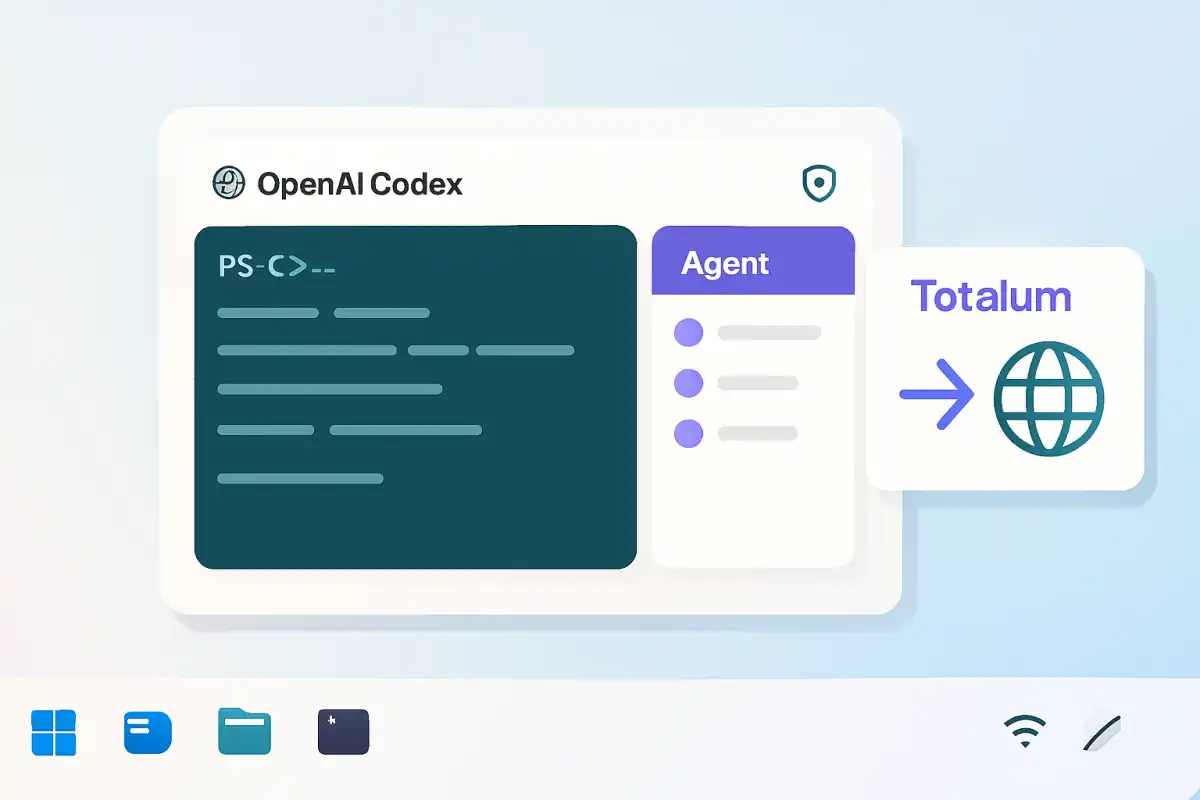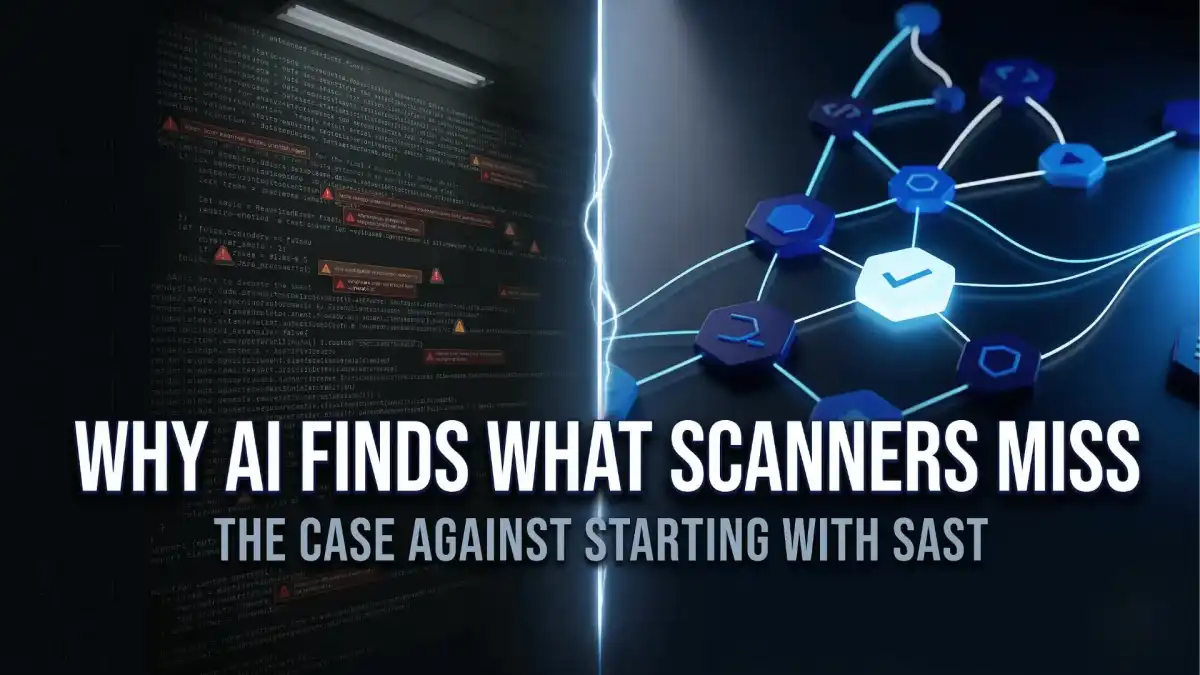
OpenAI's Codex Security has sparked interest among developers and security teams due to its unique approach to software security analysis. Unlike traditional Static Application Security Testing (SAST) tools, Codex Security does not rely on SAST reports as a starting point for its agent. This deliberate design choice is rooted in the understanding that SAST tools have limitations when it comes to determining whether a vulnerability actually exists.
According to OpenAI's formal explanation published on March 16, 2026, Codex Security targets logic flaws that SAST tools often miss. The hardest vulnerabilities are not dataflow problems but failures in whether a security check actually guarantees the property the system relies on. This is where Codex Security comes into play, using its LLM-driven analysis to inspect source code and return structured, ranked vulnerability findings with proposed patches.
What SAST Does Well and Where It Stops
SAST tools are built around an elegant model: identify a source of untrusted input, trace data through the program, and flag cases where that data reaches a sensitive sink without sanitization. They cover a large class of real bugs and remain effective for enforcing secure coding standards and catching known patterns at scale. However, SAST has to make approximations to stay tractable across real codebases with indirection, dynamic dispatch, callbacks, reflection, and framework-heavy control flow.
These approximations are not a flaw in SAST design but an inherent constraint of reasoning about code without executing it. As OpenAI's central argument goes beyond dataflow coverage, even when a SAST tool correctly traces input across multiple functions and layers, it still has to answer the question that determines whether a vulnerability actually exists: did the defense actually work?
Why Codex Security Excludes SAST Reports
Codex Security starts from the repository itself, not a SAST findings list, to avoid premature narrowing of investigation scope. This approach allows Codex Security to focus on the actual code and its behavior, rather than relying on SAST reports that may not accurately reflect the system's security posture.
OpenAI's decision to exclude SAST reports as a starting point for Codex Security is grounded in what actually determines whether a vulnerability exists. By targeting logic flaws and failures in security checks, Codex Security can provide more accurate and relevant results than traditional SAST tools.
Why It Matters to the Industry
Codex Security's unique approach has significant implications for the adult industry, where software security is a top concern. With the rise of AI-generated content and complex software systems, the need for robust security analysis tools has never been greater.
Codex Security's ability to target logic flaws and failures in security checks makes it an attractive solution for developers and security teams looking to improve their software's security posture. By providing more accurate and relevant results than traditional SAST tools, Codex Security can help reduce the risk of vulnerabilities and ensure that adult industry platforms remain secure.
What Comes Next
The future of software security analysis is likely to be shaped by the intersection of AI and traditional security tools. As Codex Security continues to evolve and improve, it will be interesting to see how it compares to traditional SAST tools in terms of accuracy and effectiveness.
Key Facts
- Codex Security does not rely on SAST reports as a starting point for its agent.
- Codex Security targets logic flaws that SAST tools often miss.
- The hardest vulnerabilities are not dataflow problems but failures in whether a security check actually guarantees the property the system relies on.
- Codex Security uses its LLM-driven analysis to inspect source code and return structured, ranked vulnerability findings with proposed patches.
- SAST tools have limitations when it comes to determining whether a vulnerability actually exists.
- Codex Security's unique approach has significant implications for the adult industry, where software security is a top concern.