OpenAI's Codex has become a crucial tool for developers across various industries, including the adult entertainment sector. Recently, OpenAI rolled out several significant updates to its security and control features, making it easier for enterprises to integrate Codex into their workflows while maintaining robust security measures.
What Happened
In May 2026, OpenAI released a series of updates that transformed the way developers interact with Codex. The first update introduced sandboxing, approval gates, managed network policy, secure authentication, and compliance logs as essential components of the Codex security model. This shift marked a significant departure from previous approaches, where security was often an afterthought.
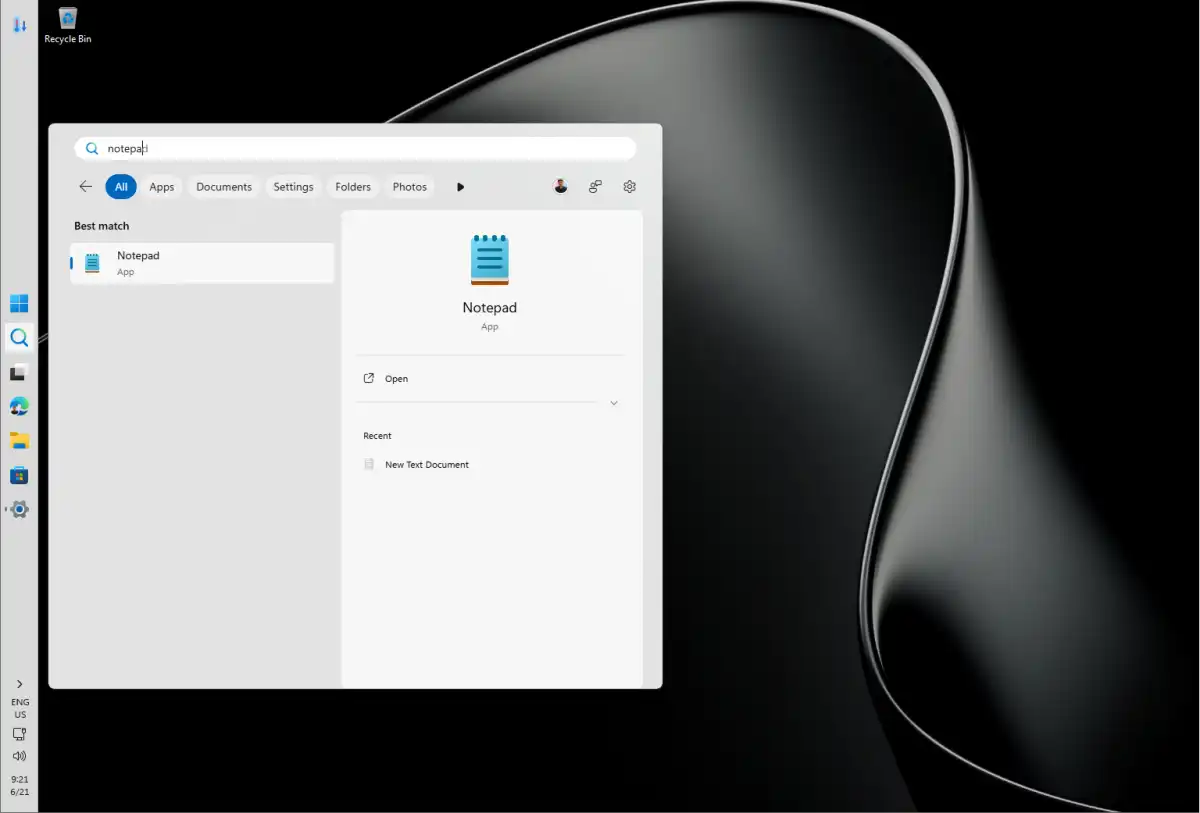
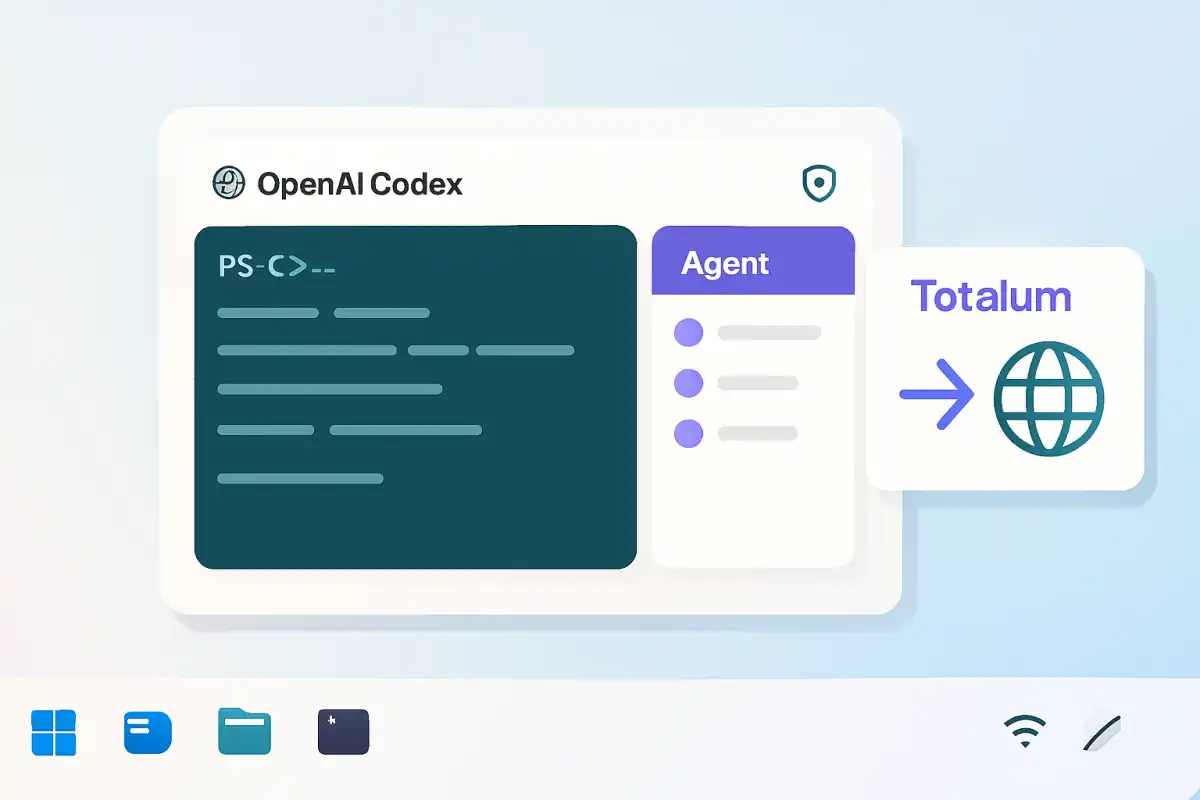
The second update focused on Codex's deployment on Windows, allowing it to run natively in PowerShell using OS-level sandboxing built on restricted tokens and filesystem access control lists (ACLs). This change eliminated the need for virtual machines or Linux abstractions, making Codex more accessible to Windows users. The third update extended Codex beyond local installs, enabling tasks to be delegated from various surfaces, including the ChatGPT mobile app, web client, or any other surface that hits the Codex API.
Background and Context
Codex is an AI-powered coding agent developed by OpenAI. It can review repositories, run commands, interact with development tools, use MCP servers, and operate across local or cloud workflows. This versatility has made Codex a valuable tool for developers seeking to automate tasks and improve productivity.
However, the integration of Codex into enterprise environments also raises concerns about security and control. To address these issues, OpenAI developed a comprehensive security model that includes sandboxing, approval gates, managed network policy, secure authentication, and compliance logs. This approach ensures that Codex operates within defined boundaries, reducing the risk of unauthorized access or data breaches.
Why It Matters to the Industry
The updates to Codex's security and control features have significant implications for the adult entertainment sector. As developers in this industry increasingly adopt AI-powered tools like Codex, they must ensure that these technologies are integrated securely and responsibly. The new controls and review flows introduced by OpenAI provide a practical reference model for reviewing and auditing Codex adoption.
The ability to run Codex natively on Windows and delegate tasks from various surfaces will also benefit adult industry developers, who often work with diverse operating systems and environments. By streamlining the integration process and reducing security risks, these updates can help accelerate the adoption of AI-powered tools in the sector.
What Comes Next
The recent updates to Codex's security and control features mark a significant step forward for OpenAI's coding agent. As developers continue to integrate Codex into their workflows, they will need to consider the implications of these changes on their existing infrastructure and processes.
OpenAI has also emphasized the importance of reviewing and auditing Codex adoption, highlighting the need for enterprises to establish clear controls and review flows. This approach will help ensure that Codex is used responsibly and securely across various industries, including the adult entertainment sector.
Key Facts
- Codex can now run natively on Windows using OS-level sandboxing built on restricted tokens and filesystem access control lists (ACLs).
- The new controls and review flows introduced by OpenAI provide a practical reference model for reviewing and auditing Codex adoption.
- Codex can be delegated tasks from various surfaces, including the ChatGPT mobile app, web client, or any other surface that hits the Codex API.
- The updates to Codex's security and control features have significant implications for the adult entertainment sector.
- OpenAI has emphasized the importance of reviewing and auditing Codex adoption, highlighting the need for enterprises to establish clear controls and review flows.
The recent updates to Codex's security and control features demonstrate OpenAI's commitment to providing a robust and secure AI-powered coding agent. As developers continue to integrate Codex into their workflows, they will need to consider the implications of these changes on their existing infrastructure and processes.