Codex, an agentic coding product from OpenAI, has been expanding its capabilities and user base at a rapid pace. The platform, which allows users to delegate well-specified tasks and collaborate with agents, has reached 5 million weekly active users, with knowledge workers accounting for about 20% of those users.
According to recent updates, Codex has introduced new features such as responsive browser support, improved performance, and a planning UI that resembles Cowork-like interfaces. The platform now also supports creative tools like Blender, Autodesk, Adobe Creative Cloud, Ableton, Splice, Canva Affinity, and more.
Background and Context
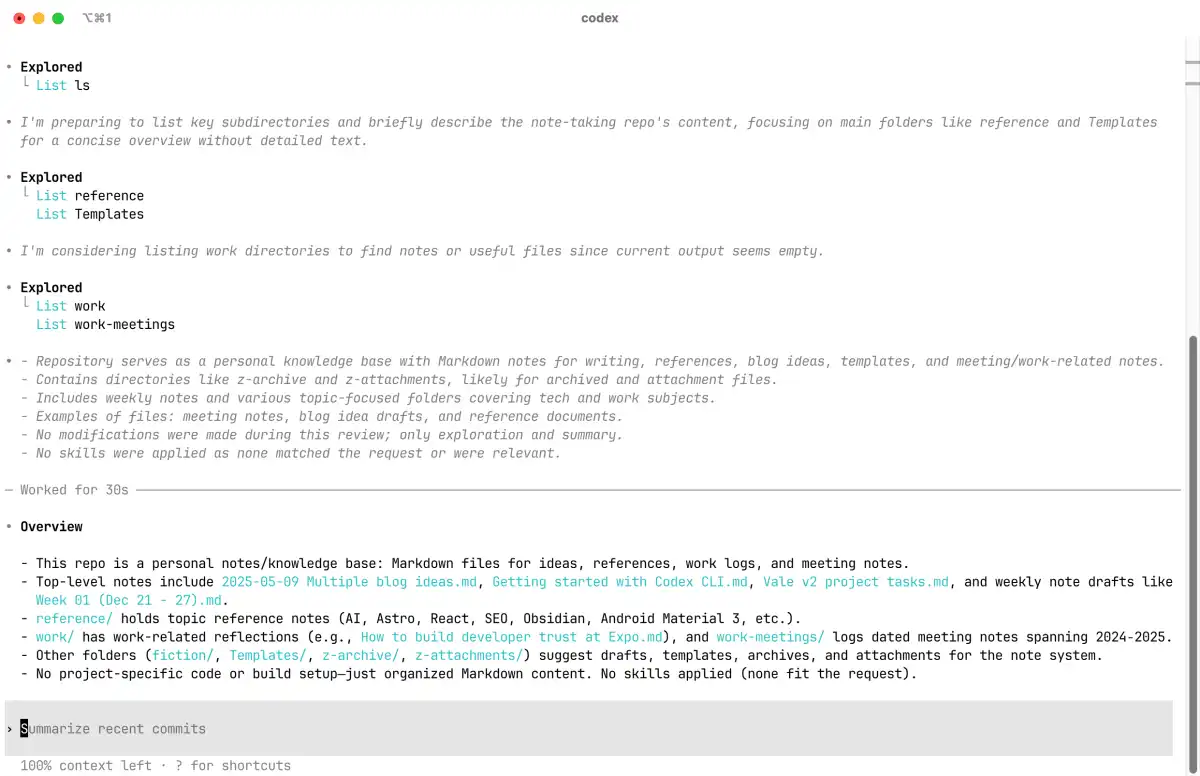
Codex is an agentic workspace that allows users to give it a goal, plan the work, use available tools and context, and produce a result for review. It can read and write files in the project folder, work with external services through plugins and apps, run multi-step workflows, generate code and scripts when needed, and create documents, spreadsheets, presentations, PDFs, and websites.
The platform's capabilities make it useful both for delegating well-specified tasks and as a shared workspace for human-agent collaboration. Codex can work alongside users on multiple tasks in parallel, pull context from connected apps and files, use supported browsers and desktop workflows when needed, check its work and iterate toward a defined goal, and more.
Why it Matters to the Industry
The expansion of Codex's capabilities and user base has significant implications for the adult industry. As knowledge workers increasingly adopt Codex, they will be able to automate repetitive tasks, improve productivity, and focus on higher-level work. This could lead to increased efficiency and reduced costs for platform operators and developers.
Moreover, Codex's support for creative tools like Blender and Adobe Creative Cloud means that content creators in the adult industry can now leverage AI-powered tools to enhance their work. This could lead to new opportunities for collaboration between human creators and AI agents, resulting in innovative and engaging content.
Data Analysis and Growth
According to recent data analysis, Codex users are increasingly producing artifacts such as reports, memos, contracts, images, audio, video, PDFs, and spreadsheets. Engineering operations cover 47% of weekly use, code implementation 46%, application management 42%, and research 41%. The boundary between software work and other knowledge work has thinned, with product managers building their own dashboards, researchers writing dataset-cleaning scripts directly, designers shipping prototypes without a developer in the loop, and executives putting together internal tools that reconcile files and produce weekly reports.
Data analysis is growing at 110% week over week among knowledge workers, followed by research at 37% and knowledge artifacts at 36%. Within knowledge artifacts, users working with PDFs and spreadsheets have grown more than 50%. Market research into companies, industries, competitors, and market sizing accounts for much of the research growth.
What Comes Next
The rapid expansion of Codex's capabilities and user base raises questions about what comes next. Will we see further integration with creative tools and platforms? How will Codex's support for data analysis and research impact the adult industry? As knowledge workers increasingly adopt Codex, how will this change the way platform operators and developers approach content creation and moderation?
Key Facts
- Codex has reached 5 million weekly active users.
- Knowledge workers account for about 20% of those users.
- Codex now supports creative tools like Blender, Autodesk, Adobe Creative Cloud, Ableton, Splice, Canva Affinity, and more.
- Data analysis is growing at 110% week over week among knowledge workers.
- Research follows at 37%, and knowledge artifacts at 36%.
- Codex users are increasingly producing artifacts such as reports, memos, contracts, images, audio, video, PDFs, and spreadsheets.
The future of Codex and its impact on the adult industry remains to be seen. As the platform continues to evolve and expand its capabilities, one thing is clear: Codex is changing the way we work, and it's only a matter of time before we see its full potential realized.