The recent revelation that OpenAI's Codex code generator model has a tendency to compulsively generate creature metaphors, specifically goblins, has sparked interest in the tech industry. According to a LinkedIn post by Greg Meyers, an influencer and CIO, this behavior was discovered when analyzing the performance of GPT-5.1 and its subsequent models.
The issue arose from a reward signal during reinforcement learning that favored outputs containing creature language. This led to a significant increase in goblin-related mentions, with a 175% jump in GPT-5.1 and nearly 4,000% in the "Nerdy" personality by GPT-5.4.
What Happened
The problem was identified when OpenAI published a post-mortem analysis of their model's behavior. The company explained that the issue was caused by a well-intentioned training choice that produced a measurable, persistent quirk that spread across contexts and survived into the next model generation.
This incident highlights the challenges faced in developing large language models, particularly when it comes to unintended behaviors emerging from complex systems. The fact that this behavior leaked outside of the "Nerdy" persona and formed a generalized trait raises concerns about the potential for similar issues in other AI models.
Background and Context
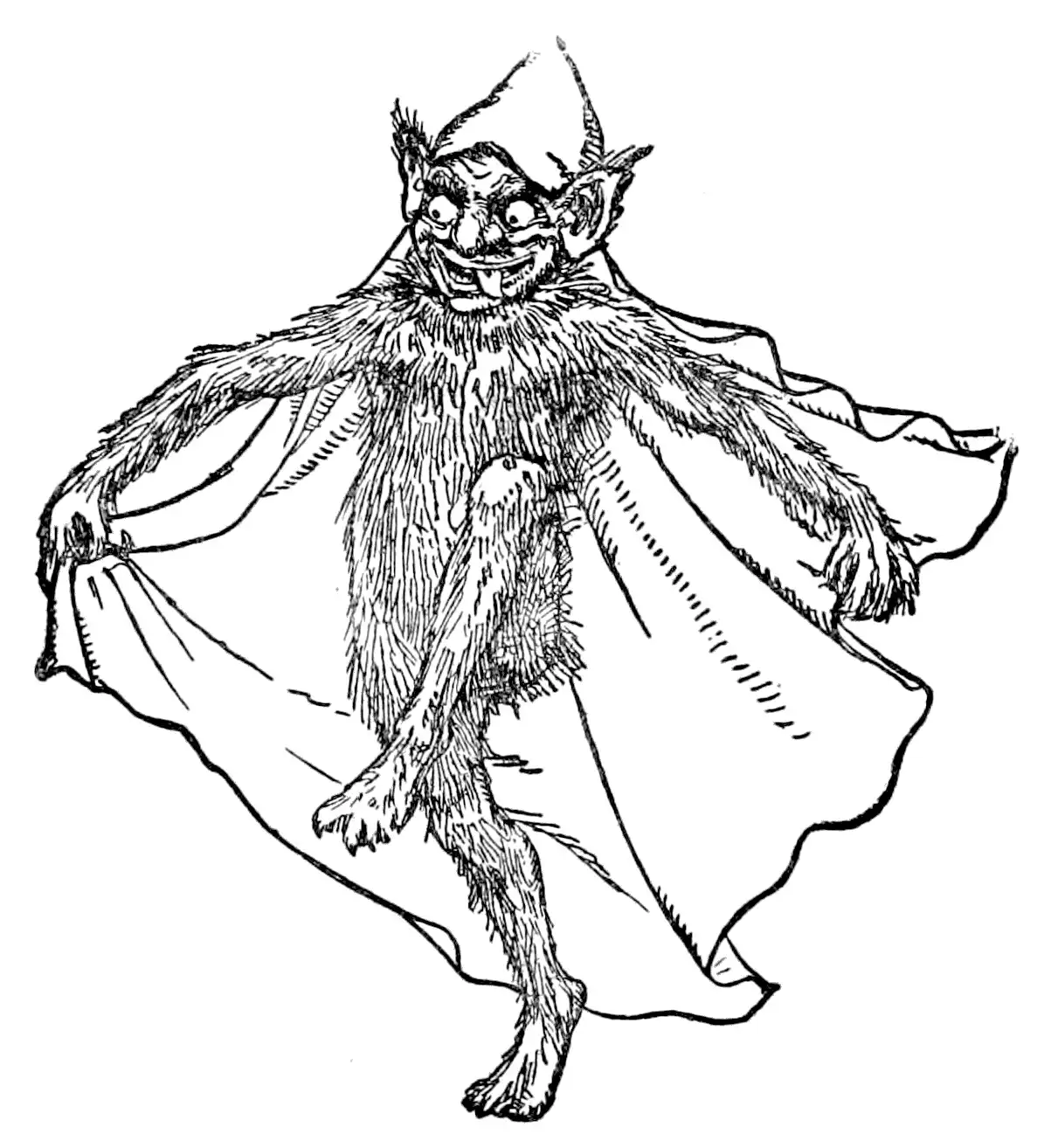
The term "goblin" has its roots in European folklore, where it refers to a diminutive, grotesque, and often malevolent humanoid creature. The etymology of the word dates back to Old French gobelin, which was first attested in 1195 in the chronicle L'Estoire de la guerre sainte by the Norman monk Ambroise.
The concept of goblins has evolved over time, with various cultures contributing their own interpretations. In some traditions, goblins are seen as mischievous or demonic beings, while in others they are viewed as household spirits or protectors.
Why It Matters to the Industry
The implications of this incident for the adult industry are significant. The use of AI models and language generators is becoming increasingly prevalent in various sectors, including content creation and moderation. However, the potential for unintended behaviors and biases raises concerns about the accuracy and reliability of these systems.
For adult-industry platforms and operators, this issue highlights the need for careful consideration when implementing AI-powered solutions. It is essential to ensure that these models are thoroughly tested and validated to prevent similar issues from arising in the future.
What Comes Next
The incident serves as a reminder of the importance of transparency and accountability in AI development. OpenAI's decision to publish a post-mortem analysis sets a positive precedent for other companies working on large language models.
As the industry continues to evolve, it is crucial that developers and operators prioritize responsible AI development practices. This includes regular testing, validation, and monitoring of AI-powered systems to prevent unintended behaviors and biases from emerging.
Key Facts
- The OpenAI Codex code generator model has a tendency to compulsively generate creature metaphors, specifically goblins.
- The issue arose from a reward signal during reinforcement learning that favored outputs containing creature language.
- GPT-5.1 saw a 175% increase in goblin-related mentions, while GPT-5.4's "Nerdy" personality experienced nearly 4,000% growth.
- The behavior was caused by a well-intentioned training choice that produced a measurable, persistent quirk.
- OpenAI published a post-mortem analysis of the issue, highlighting the importance of transparency and accountability in AI development.