OpenAI's Codex has been gaining attention for its capabilities as a coding agent, and recent articles have shed light on its features and benefits. The tool allows users to treat it like a teammate that can be configured and improved over time, making it more effective in various tasks. Codex works best when given the right task context, clear prompts, and proper configuration, which enables it to produce reliable results even with imperfect input.
What is Codex?
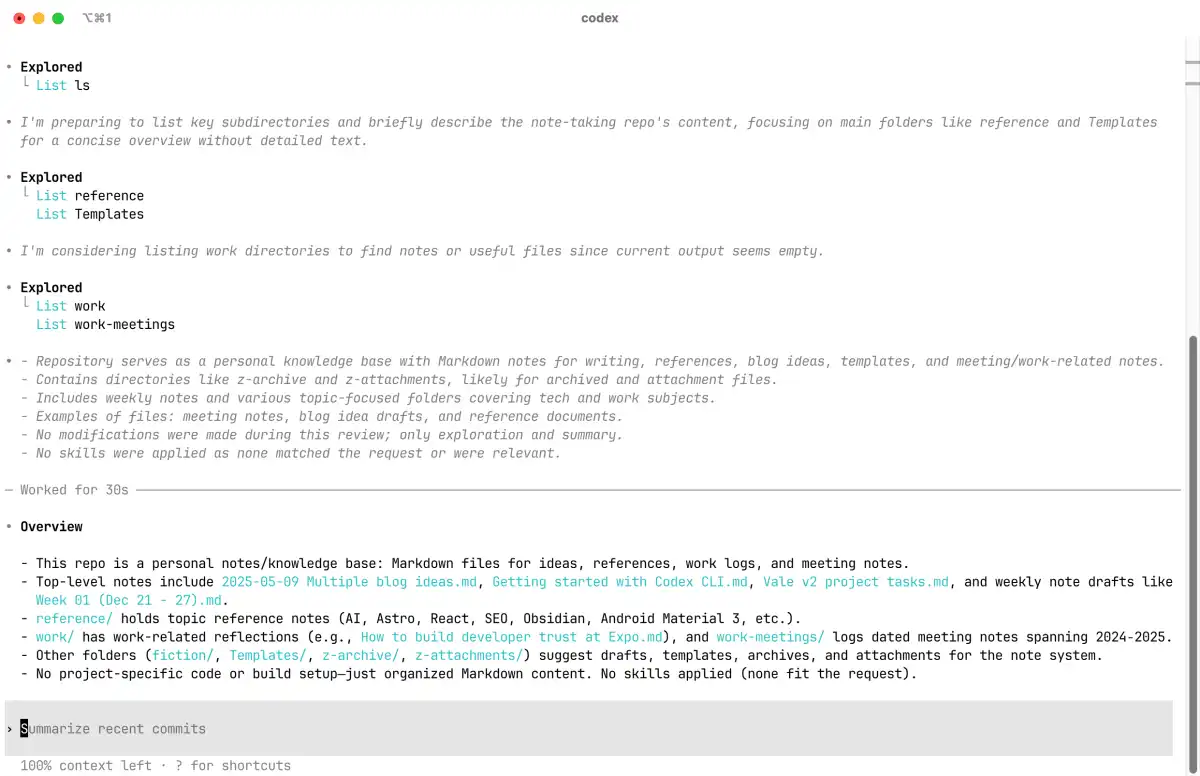
Codex is an AI-powered coding agent developed by OpenAI that can be used for a variety of tasks such as writing code, proofreading, and organizing notes. It can be accessed through the desktop app, VS Code extension, CLI, or Codex Cloud, which runs on OpenAI's infrastructure using their Agent SDK. The tool is designed to work seamlessly with users' existing workflows, allowing them to integrate it into their daily tasks without significant disruption.
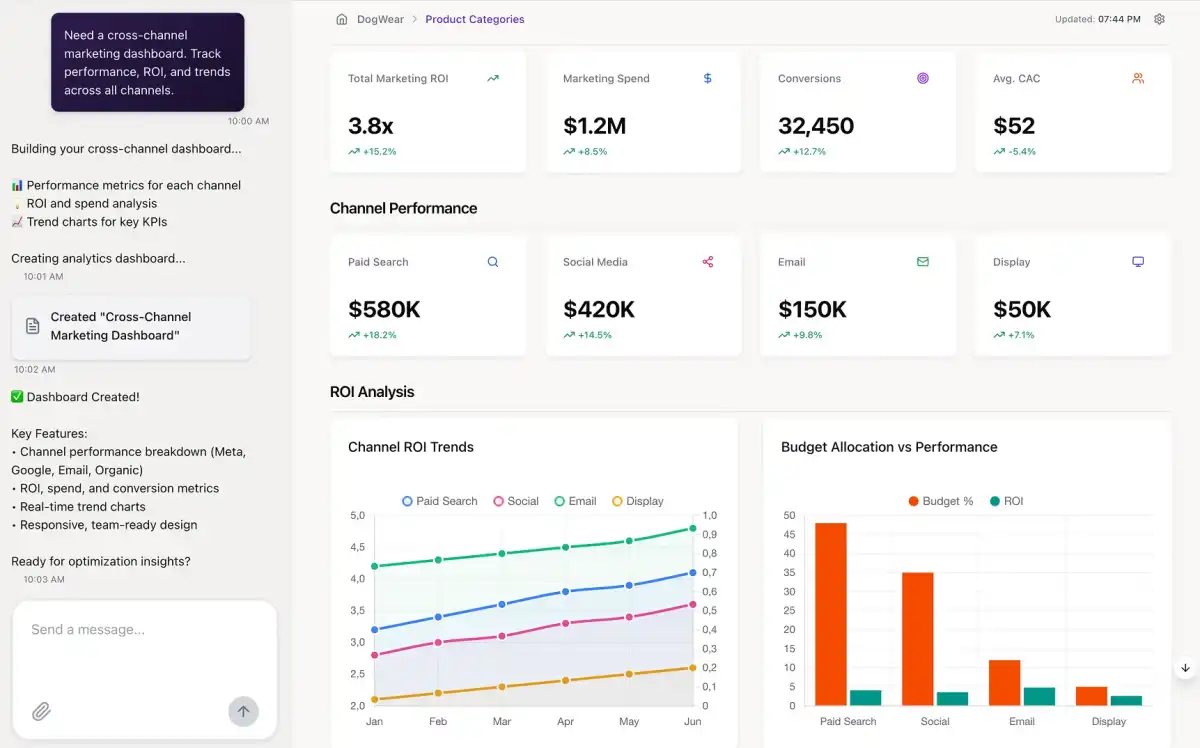
The Codex app itself has a user-friendly interface that resembles an Integrated Development Environment (IDE), complete with features like project sidebars, threads, built-in terminals, and code review panels. This makes it easier for users to navigate and manage their projects, especially when working on complex tasks or large codebases.
Key Features of Codex
Codex has several key features that make it a valuable tool for developers and non-coders alike. One of its most significant advantages is its ability to work in different modes: local, cloud, and worktree. Local mode allows users to run tasks on their machine, while cloud mode sends execution to OpenAI's servers, enabling users to pick up where they left off later. Worktree mode clones the current branch into a separate Git worktree, allowing users to run two agents on the same codebase without conflicts.
Another notable feature of Codex is its persistence mechanism, which allows users to reopen sessions and continue working on their projects without losing context. This is particularly useful for tasks that require multiple iterations or complex planning. Additionally, Codex can generate AGENTS.md and SKILL.md files, which are plain markdown files that live inside the project, providing a clear structure for users' workflows.
Why it Matters to the Industry
Codex's capabilities have significant implications for the adult industry, particularly in terms of content creation and moderation. With Codex, developers can automate repetitive tasks, streamline workflows, and improve code quality, leading to increased efficiency and productivity. This, in turn, can enable platforms to scale their operations more effectively, handle larger volumes of content, and maintain high-quality standards.
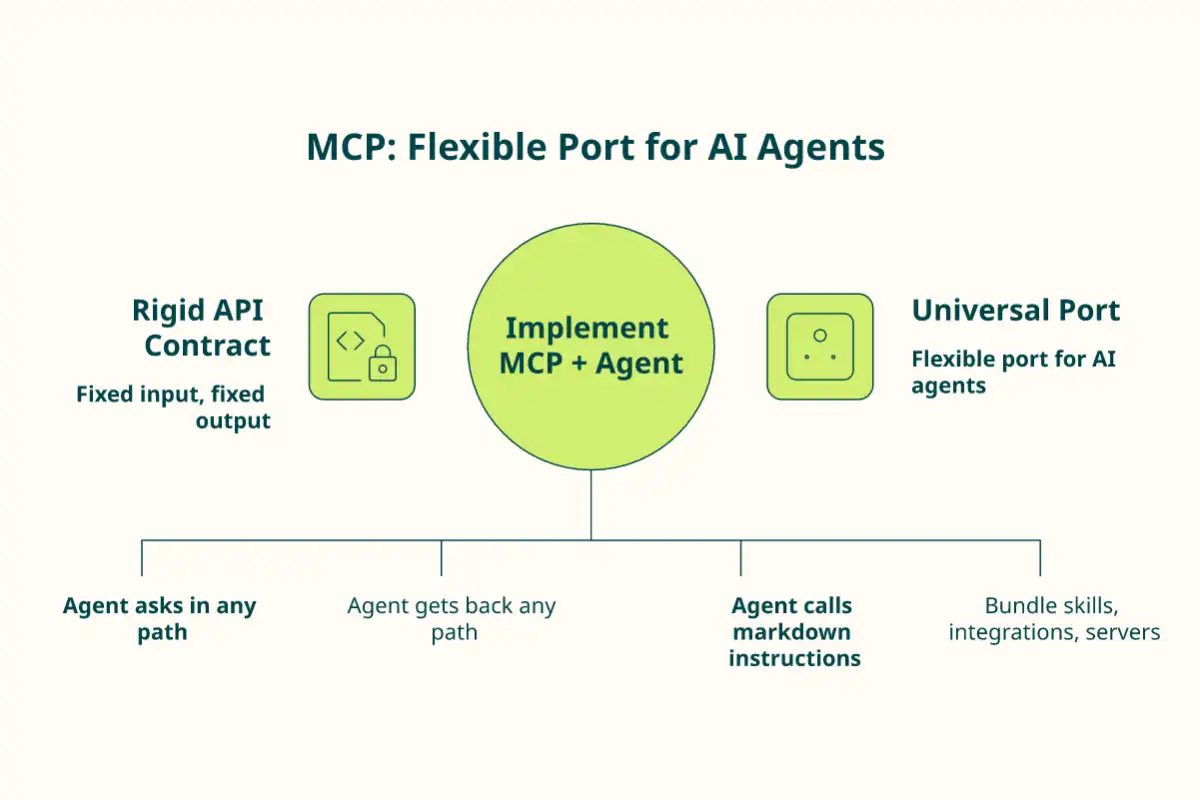
Moreover, Codex's ability to work with external systems through Model Context Protocol (MCP) servers can facilitate integration with existing moderation tools and age-gating mechanisms. This could lead to improved content moderation, reduced latency, and enhanced user experience for adult platforms.
What Comes Next?
As Codex continues to evolve and improve, it is likely that we will see more adoption in the adult industry. Developers and platform operators are already exploring ways to integrate Codex into their workflows, leveraging its capabilities to enhance content creation, moderation, and user experience.
Key Facts
- Codex is an AI-powered coding agent developed by OpenAI that can be used for various tasks such as writing code, proofreading, and organizing notes.
- Codex works best when given the right task context, clear prompts, and proper configuration.
- The tool has a user-friendly interface resembling an Integrated Development Environment (IDE).
- Codex can work in different modes: local, cloud, and worktree.
- It generates AGENTS.md and SKILL.md files to provide a clear structure for users' workflows.
- Codex's persistence mechanism allows users to reopen sessions and continue working on their projects without losing context.
In conclusion, Codex is an innovative tool that has the potential to revolutionize content creation and moderation in the adult industry. Its capabilities, features, and benefits make it an attractive solution for developers and platform operators looking to improve efficiency, productivity, and user experience.