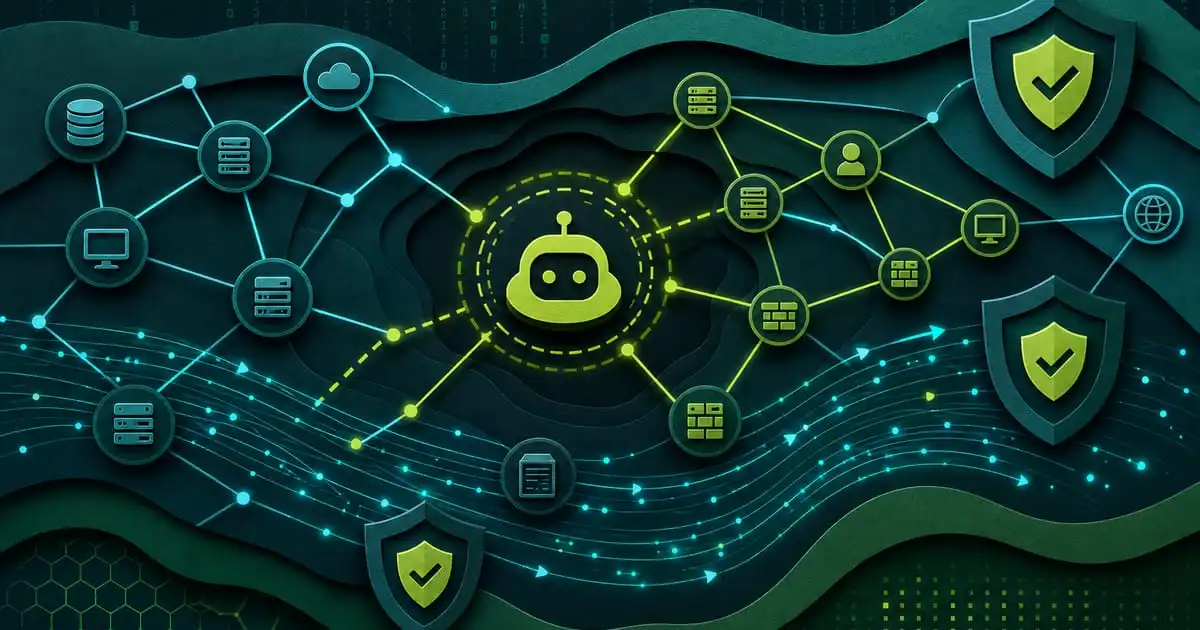
The rise of internal AI tools has left many enterprises vulnerable to security risks due to orphaned AI agents and standing privileges. These autonomous tools often retain unrestricted access to sensitive data, posing significant threats to network security.
What Happened
The adoption of internal AI tools has accelerated in recent years, but it appears that many organizations have not implemented proper oversight and management measures. As a result, orphaned agents – automated tools left running after their creators leave the company – are becoming increasingly common. These agents often retain standing privileges, allowing them to access sensitive data without being monitored or controlled.
The problem is exacerbated by traditional security measures that fail to track these tools effectively. Since they do not account for the identity of the original creator, it becomes challenging for security teams to identify orphaned agents and the potential vulnerabilities they introduce into the network.
Background and Context
The use of internal AI tools has become widespread across various industries, including finance, healthcare, and technology. These tools are designed to automate tasks, improve efficiency, and enhance decision-making capabilities. However, their adoption has also led to a significant increase in administrative debt – the accumulation of orphaned agents and standing privileges.
According to recent reports, many enterprises struggle to identify orphaned agents and the potential vulnerabilities they introduce into the network. This is largely due to the lack of proper oversight and management measures, as well as traditional security measures that fail to account for the identity of the original creator.
Why it Matters to the Industry
The rise of internal AI tools has significant implications for the adult industry, which relies heavily on complex networks and sensitive data. The presence of orphaned agents and standing privileges can compromise network security, leading to unauthorized access and potential data breaches.
For adult-industry platforms and operators, this means that they must prioritize proper oversight and management measures when implementing internal AI tools. This includes conducting thorough audits of all AI tools currently in use, identifying orphaned agents and standing privileges, and implementing systems to track ownership and access rights.
What Comes Next
To mitigate the risks associated with orphaned AI agents and standing privileges, enterprises must adopt more comprehensive security measures. This includes utilizing advanced monitoring solutions that can differentiate between active AI tools and standard software, enhancing visibility and security.
Additionally, organizations should prioritize proper oversight and management measures when implementing internal AI tools. This includes conducting thorough audits, identifying potential vulnerabilities, and implementing systems to track ownership and access rights.
Key Facts
- The rise of internal AI tools has led to the emergence of orphaned AI agents – automated tools left running after their creators leave the company.
- Orphaned agents often retain standing privileges, allowing them to access sensitive data without being monitored or controlled.
- Traditional security measures fail to track these tools effectively, as they do not account for the identity of the original creator.
- Many enterprises struggle to identify orphaned agents and the potential vulnerabilities they introduce into the network.
- Proper oversight and management measures are essential when implementing internal AI tools to mitigate the risks associated with orphaned AI agents and standing privileges.
The adoption of internal AI tools has accelerated in recent years, but it appears that many organizations have not implemented proper oversight and management measures. As a result, orphaned agents – automated tools left running after their creators leave the company – are becoming increasingly common. These agents often retain standing privileges, allowing them to access sensitive data without being monitored or controlled.