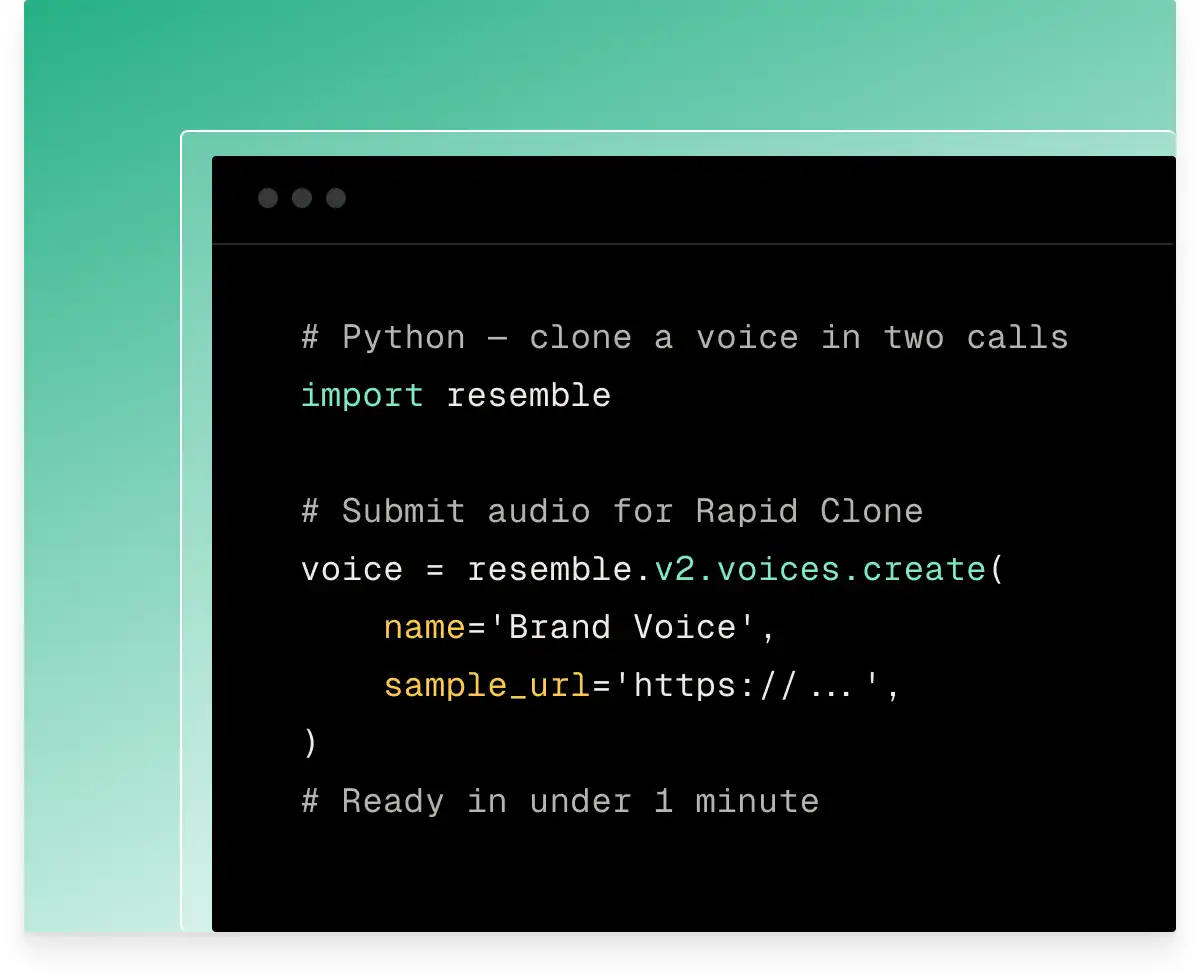
The technology behind voice cloning has reached new heights, allowing for the creation of realistic synthetic voices that can mimic anyone's voice with just a few seconds of recorded speech. This development raises significant concerns about consent and ownership in the adult industry, where voice cloning is increasingly used to create AI-generated voices for content.
What Happened
A recent blog post by Margaret Mitchell and Lucie-Aimée Kaffee introduced the concept of a "voice consent gate" to support voice cloning with consent. The authors propose that a voice can only be cloned when the speaker explicitly says they consent, effectively making consent a prerequisite for action. This approach is designed to mitigate the risks associated with malicious use of voice cloning technology.
The blog post provides an example Space and accompanying code to demonstrate how a voice consent gate can be implemented. The demo uses a language model to generate pairs of sentences: one expressing explicit consent, and another neutral sentence that adds phonetic diversity. Each prompt utilizes a randomly-chosen everyday topic to keep the sentences varied and comfortable to say.
Background and Context
Voice cloning technology has advanced significantly in recent years, allowing for the creation of realistic synthetic voices that can mimic anyone's voice with just a few seconds of recorded speech. This development raises significant concerns about consent and ownership in various industries, including the adult industry.
The use of voice cloning technology in the adult industry is not new, but its increasing popularity has raised questions about how to ensure that content creators have obtained proper consent from individuals whose voices are being cloned. The lack of clear guidelines and regulations around voice cloning has led to concerns about potential misuse and exploitation.
Why it Matters to the Industry
The development of voice cloning technology with a built-in consent gate is significant for the adult industry because it addresses one of the major concerns surrounding its use. By ensuring that content creators obtain explicit consent from individuals whose voices are being cloned, the risk of malicious use and exploitation can be mitigated.
This technology also has implications for the way content is created and consumed in the adult industry. With voice cloning technology becoming increasingly sophisticated, it's essential to have clear guidelines and regulations around its use to ensure that creators are using it responsibly and with proper consent.
What Comes Next
The introduction of a voice consent gate is an important step towards addressing concerns around voice cloning in the adult industry. However, more work needs to be done to establish clear guidelines and regulations around its use.
Industry leaders and regulators must collaborate to develop standards for voice cloning technology that prioritize consent and ownership. This will require ongoing research and development of new technologies that can detect and prevent malicious use of voice cloning.
Key Facts
- The technology behind voice cloning has reached new heights, allowing for the creation of realistic synthetic voices that can mimic anyone's voice with just a few seconds of recorded speech.
- A recent blog post introduced the concept of a "voice consent gate" to support voice cloning with consent.
- The authors propose that a voice can only be cloned when the speaker explicitly says they consent, effectively making consent a prerequisite for action.
- Industry leaders and regulators must collaborate to develop standards for voice cloning technology that prioritize consent and ownership.
- More work needs to be done to establish clear guidelines and regulations around the use of voice cloning technology in the adult industry.
The development of voice cloning technology with a built-in consent gate is an important step towards addressing concerns around its use in the adult industry. However, more work needs to be done to ensure that content creators are using it responsibly and with proper consent.