The AI world is getting 'loopy' as agentic loops gain traction, promising to revolutionize the way developers work with artificial intelligence. At Meta's @Scale conference, Claude Code creator Boris Cherny made a bold statement: "Yes, they're for real." Loops are not entirely new, but their application in AI has significant implications for the industry.
What Happened
During his talk at @Scale, Cherny discussed how loops have become an essential part of his workflow. He explained that two years ago, developers wrote source code by hand, then transitioned to agents writing code, and now they're transitioning to a new paradigm where agents prompt other agents in continuous, self-sustaining loops. This shift represents a significant leap in trust and capability for AI.
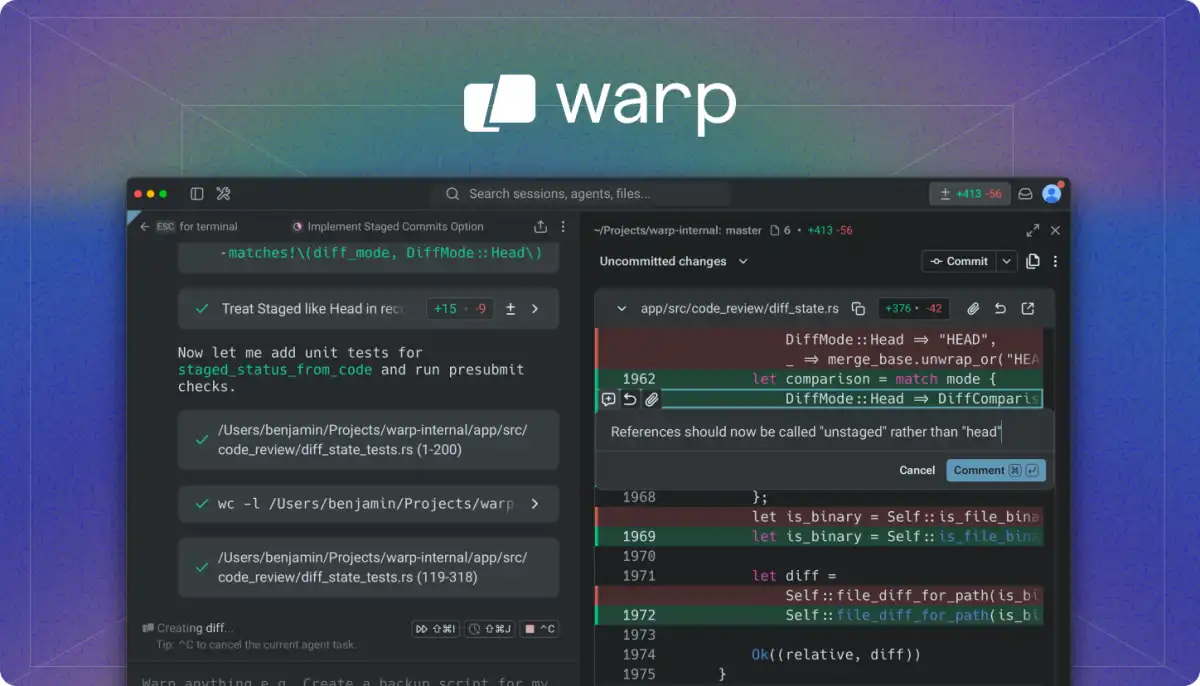
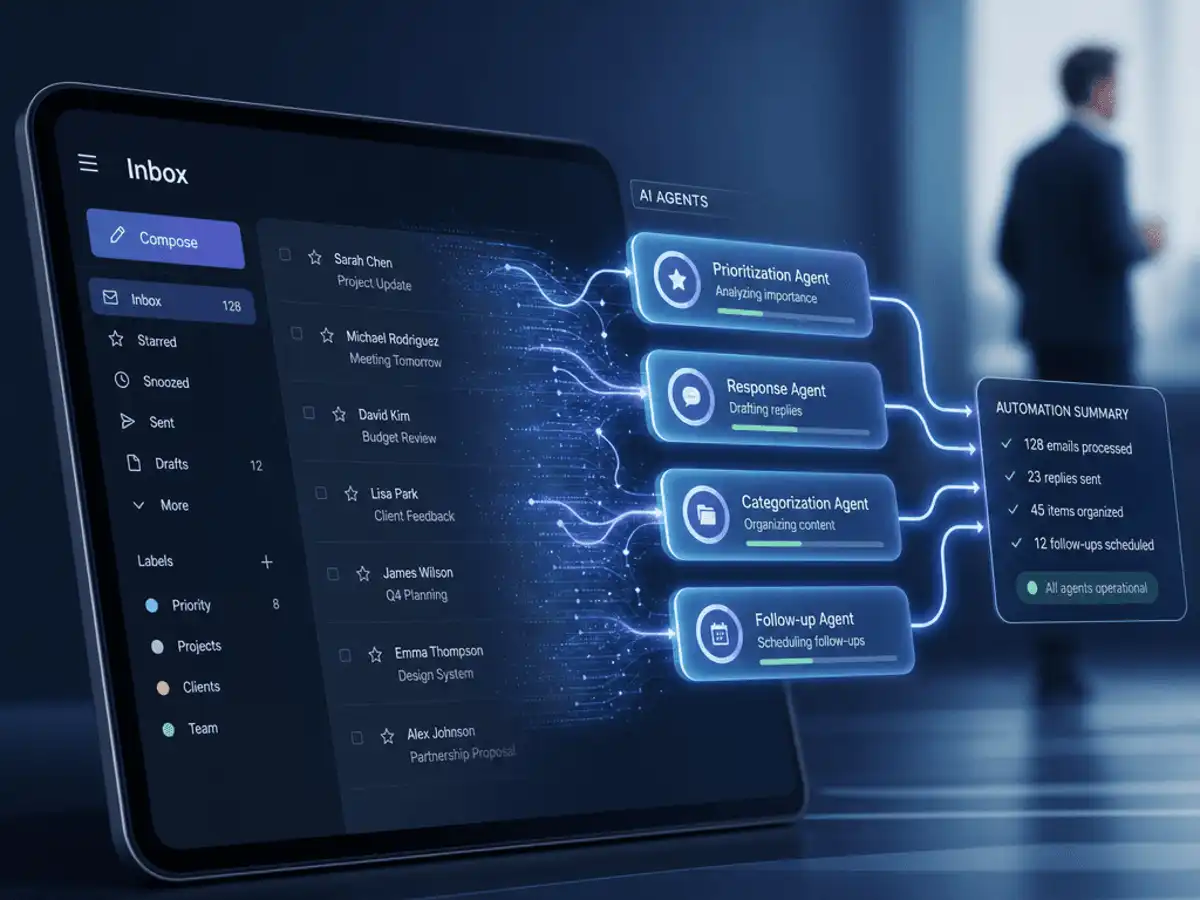
Cherny's own workflow demonstrates the power of agentic loops. One agent continuously searches for ways to improve code architecture while another hunts for duplicated abstractions to unify. These agents submit pull requests like any human coder, and because the codebase is constantly evolving, they never stop running. This approach removes the ceiling on AI's capabilities, allowing it to work endlessly on open-ended problems.
Background and Context
The concept of recursive loops – functions that call themselves until a condition is met – is a staple of introductory computer science. However, agentic loops operate on a non-deterministic logic: a sub-agent decides when to stop, rather than a hard-coded condition. This introduces both flexibility and unpredictability.
One popular implementation, the Ralph Loop (named after The Simpsons' Ralph Wiggum), simply asks the model to summarize its progress and check if the goal is accomplished. It's a crude but effective way to prevent models from drifting off task during long-running operations. This approach may seem simple, but it has significant implications for the industry.
Why It Matters
The shift towards agentic loops has significant implications for the adult-industry platforms and operators. With the ability to work endlessly on open-ended problems, AI can be used to improve moderation, age-gating, and fraud detection. The potential benefits are staggering, but so is the cost.
Agentic loops burn through tokens far faster than simple Q&A chatbots, and because the loop is designed to run continuously, there's no ceiling to how much you can spend. This may be a pricey way to work, but for platforms like Anthropic, which are ultimately in the token-selling business, it could be worth the investment.
What Comes Next
The adoption of agentic loops will likely accelerate as more developers and researchers explore their potential. Cherny's example of an agent that keeps refining architecture indefinitely is a direct application of the principle that contemporary models can solve nearly any problem if given enough compute.
This approach may seem expensive, but it has significant implications for the industry. As AI continues to improve, agentic loops will become increasingly important for developers and researchers working on complex problems.
Key Facts
- Boris Cherny, creator of Claude Code, stated that agentic loops are "for real" at Meta's @Scale conference.
- Loops operate on a non-deterministic logic: a sub-agent decides when to stop, rather than a hard-coded condition.
- The Ralph Loop is a popular implementation of agentic loops, which simply asks the model to summarize its progress and check if the goal is accomplished.
- Agentic loops burn through tokens far faster than simple Q&A chatbots.
- The potential benefits of agentic loops include improved moderation, age-gating, and fraud detection.
The AI world is getting 'loopy' as agentic loops gain traction. With the ability to work endlessly on open-ended problems, AI can be used to improve various aspects of adult-industry platforms and operators. While the cost may seem expensive, the potential benefits are significant, and it's likely that we'll see more adoption of this technology in the future.