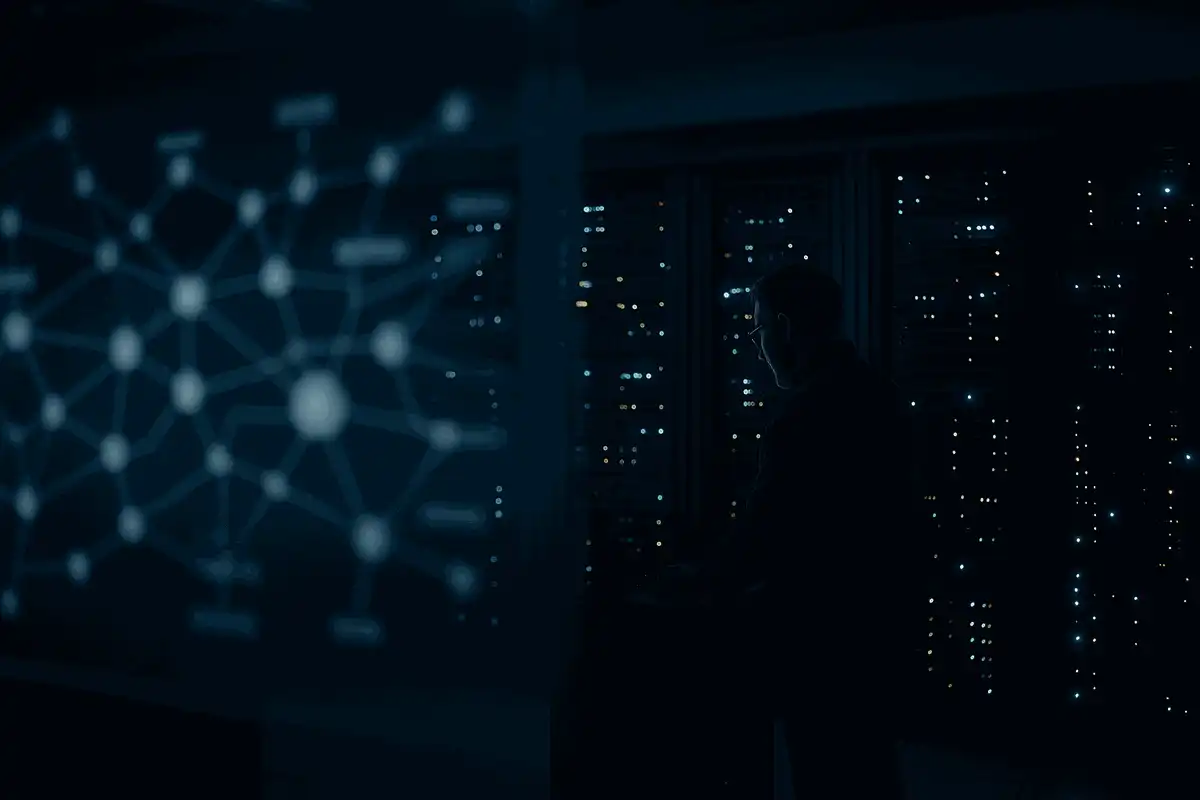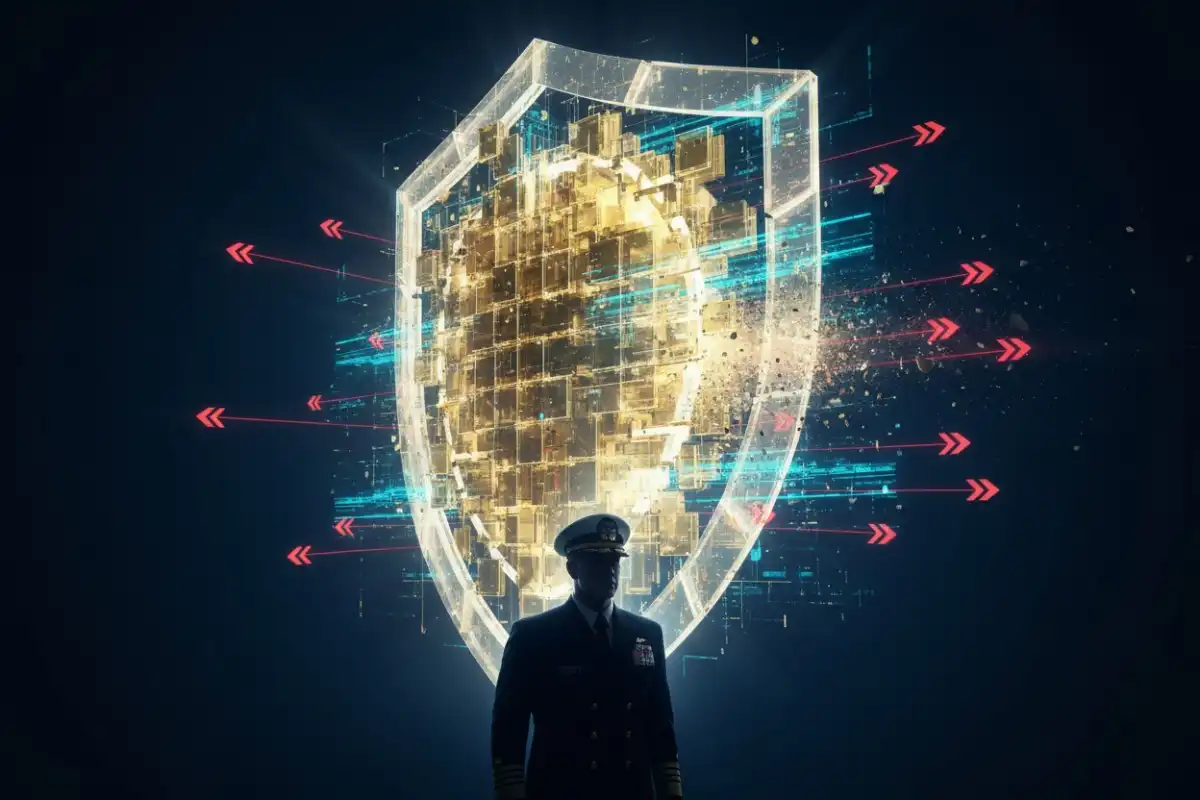
The invisible war of cyberattacks has been reshaping everyday life, and it's not just a matter of concern for governments and institutions. The adult industry, which heavily relies on digital infrastructure, must also take note of this growing threat.
What Happened
Cyberattacks have become a real and immediate threat to the power grid, as seen in incidents like the Ukraine grid hack. These attacks can cause severe, tangible blackouts, potentially collapsing vital systems in moments. A grid failure would trigger a cascade of societal breakdowns, disabling traffic lights, cellular networks, ATMs, gas stations, and supply chains, creating a full-scale crisis.
The most chilling aspect of cyber warfare isn't what we know about it – it's what we don't know. For every publicized attack like the 2017 WannaCry ransomware that infected over 300,000 computers globally, countless others operate beneath the radar, slowly infiltrating systems and lying dormant until activated.
Background and Context
The digital age has spawned a new battlefield where nations clash without firing a single bullet. Cyber warfare has emerged as the silent weapon of mass disruption, capable of crippling entire economies, toppling governments, and reshaping geopolitical landscapes with nothing more than lines of code. Welcome to the invisible war that's happening right now, in the shadows of the internet.
Cyber warfare represents a paradigm shift in how conflicts are fought, where a teenager with a laptop can potentially cause more damage than an entire military division. The exponential growth of our digital infrastructure has created unprecedented vulnerabilities. Every smart device, every connected system, and every digital transaction represents a potential entry point for malicious actors.
Nation-states have recognized this reality and are investing billions in cyber capabilities that can rival their traditional military arsenals. Modern cyber warfare extends far beyond simple hacking attempts. Today's digital arsenals include advanced persistent threats (APTs), malware, and other sophisticated tools designed to infiltrate and disrupt critical infrastructure.
Why it Matters to the Industry
Cyberattacks are a significant concern for the adult industry, which relies heavily on digital infrastructure. The consequences of a cyberattack could extend far beyond a simple loss of lights. A grid failure would trigger a cascade of societal breakdowns, disabling traffic lights, cellular networks, ATMs, gas stations, and supply chains, creating a full-scale crisis.
The adult industry must take note of this growing threat and prepare accordingly. Key preparations include securing communication, cash, and basic supplies. Having backup lighting, a satellite phone, physical cash, and at least two weeks of water, food, and medication to operate independently is crucial.
What Comes Next
The invisible war of cyberattacks will continue to reshape everyday life, and the adult industry must be prepared to adapt. As nation-states invest heavily in cyber capabilities, the stakes are raised for individuals and institutions alike. The consequences of a cyberattack could be severe, and it's essential that the industry takes proactive steps to mitigate this risk.
Key Facts
- Cyberattacks have become a real and immediate threat to the power grid.
- A grid failure would trigger a cascade of societal breakdowns, disabling traffic lights, cellular networks, ATMs, gas stations, and supply chains.
- The most chilling aspect of cyber warfare isn't what we know about it – it's what we don't know.
- Cyber warfare represents a paradigm shift in how conflicts are fought, where a teenager with a laptop can potentially cause more damage than an entire military division.
- Nation-states have recognized this reality and are investing billions in cyber capabilities that can rival their traditional military arsenals.