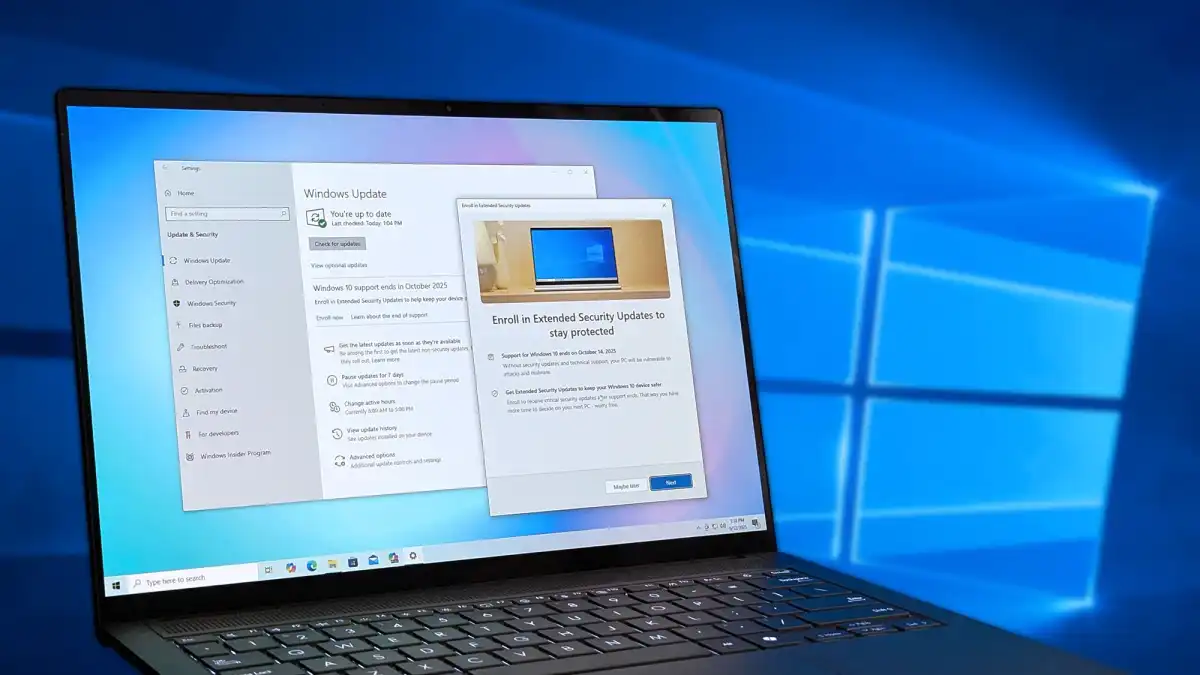
Microsoft has quietly extended its Windows 10 Extended Security Updates (ESU) program for an additional year, allowing enrolled devices to continue receiving security updates until October 12, 2027. The change was made without a formal announcement and instead appeared in updates to Microsoft's Windows 10 ESU documentation and as an "Editor's note" to a Windows Experience Blog post published yesterday.
What Happened?
Microsoft's Windows 10 ESU program was originally intended to run only until October 12, 2026, for consumers. However, the company has now extended this support period by an additional year, giving users more time to transition to a newer operating system. The change was made without a formal announcement and instead appeared in updates to Microsoft's Windows 10 ESU documentation.
According to Windows Central, the updated support page reads: "Windows 10 support has ended. You can enroll in ESU any time until the program ends on October 12, 2027. If you’re already enrolled, your coverage will automatically continue through that date—no action needed."
Background and Context
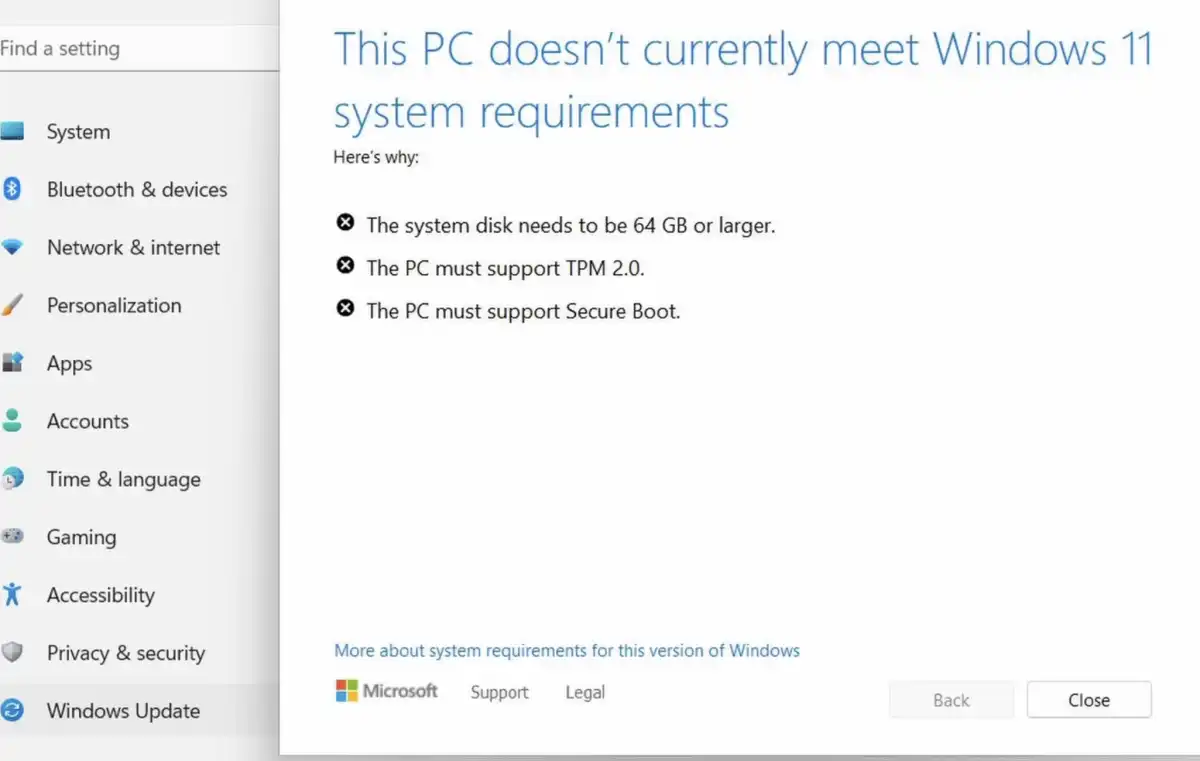
Microsoft's decision to extend Windows 10 support is likely tied to the ongoing RAM shortage, which has driven up the cost of PCs and other tech products. The shortage has made it difficult for users to justify upgrading to a new PC, especially if they already have a working Windows 10 device.
As XDA Developers notes, the RAM shortage has pushed new PC prices through the roof, making it difficult for users to upgrade. This is likely a major factor in Microsoft's decision to extend Windows 10 support.
Why It Matters to the Industry
The extension of Windows 10 support is significant for several reasons. Firstly, it gives users more time to transition to a newer operating system, which can be a complex and time-consuming process. Secondly, it provides an additional layer of security for devices that are still running Windows 10.
For adult-industry platforms and operators, this news may have significant implications. Many adult-content streaming and webcam infrastructure rely on Windows-based systems, and the extension of support will give these companies more time to upgrade their systems and ensure they remain secure.
What Comes Next?
Microsoft's decision to extend Windows 10 support is likely a temporary measure, and users should still plan to transition to a newer operating system in the long term. However, for now, this extension provides an additional layer of security and flexibility for users who are unable or unwilling to upgrade.
Key Facts
- Microsoft has extended its Windows 10 Extended Security Updates (ESU) program by an additional year, until October 12, 2027.
- The change was made without a formal announcement and instead appeared in updates to Microsoft's Windows 10 ESU documentation.
- Users who are already enrolled in the ESU program will automatically receive extended support until October 12, 2027.
- New users can enroll in the ESU program for free by signing in with a Microsoft account or paying $30.
- The extension of Windows 10 support is likely tied to the ongoing RAM shortage and its impact on PC prices.