The adult industry's reliance on AI-powered tools has led to a pressing need for seamless integration between these systems and external data sources. The Model Context Protocol (MCP), an open standard introduced by Anthropic in 2024, aims to address this challenge by providing a universal protocol for connecting AI systems with data sources.
The MCP enables developers to build secure, two-way connections between their data sources and AI-powered tools, replacing fragmented integrations with a single protocol. This simplifies the process of giving AI systems access to the data they need, making it easier for researchers and developers to automate tasks and improve the accuracy of their results.
What is MCP?
The MCP is an open standard that defines three core elements: tools (functions the AI can call), resources (data sources the AI can read), and prompts (reusable instruction templates). This lean specification has led to rapid adoption, with 97 million monthly SDK downloads as of early 2026. Major players like OpenAI, Microsoft, AWS, and Google DeepMind have all supported the standard.
The MCP is not just a protocol for connecting AI systems with data sources; it's also an architecture that enables developers to build secure, two-way connections between their data sources and AI-powered tools. This means that researchers can now access external platforms directly from within their AI assistants, without having to export data or manually re-enter information.
Background and Context
The adult industry has been at the forefront of adopting AI-powered tools, with many companies using these systems for tasks such as content moderation, age verification, and payment processing. However, integrating these systems with external data sources has proven to be a significant challenge, requiring custom development and bespoke code for every model-tool pairing.
The export-paste-summarise workaround has become the default for research institutions without engineering teams, but this approach is not only time-consuming but also prone to errors. The MCP addresses this structural problem directly by creating a live connection between the survey tool and the AI, allowing analysis to happen inside the research environment.
Why it Matters to the Industry
The MCP has significant implications for the adult industry, where seamless integration between AI systems and external data sources is crucial. By providing a universal protocol for connecting AI systems with data sources, the MCP enables researchers and developers to automate tasks more efficiently, improve the accuracy of their results, and reduce the risk of errors.
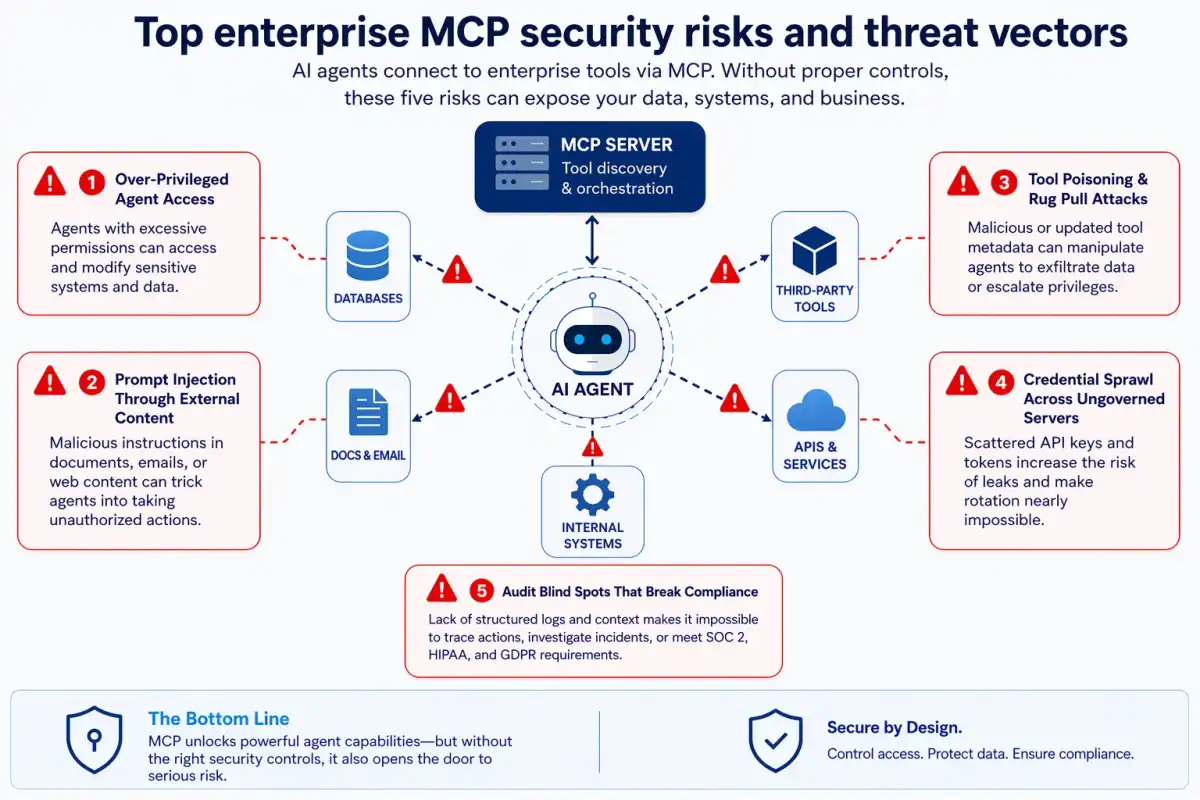
The MCP also has implications for data governance and security. By allowing AI systems to access external platforms directly, the MCP reduces the need for manual data export and re-entry, minimizing the risk of data breaches and ensuring that sensitive information remains secure.
What Comes Next
The MCP is already being adopted by major players in the industry, with companies like Block and Apollo integrating the protocol into their systems. Development tools companies such as Zed, Replit, Codeium, and Sourcegraph are also working with MCP to enhance their platforms.
As the MCP continues to gain traction, it's likely that we'll see more companies adopting the standard and developing new applications for the protocol. The future of AI-powered research in the adult industry is looking brighter than ever, thanks to the Model Context Protocol.
Key Facts
- The MCP is an open standard introduced by Anthropic in 2024.
- The MCP defines three core elements: tools (functions the AI can call), resources (data sources the AI can read), and prompts (reusable instruction templates).
- As of early 2026, the MCP had reached 97 million monthly SDK downloads.
- Major players like OpenAI, Microsoft, AWS, and Google DeepMind have all supported the standard.
- The MCP enables developers to build secure, two-way connections between their data sources and AI-powered tools.