The robotics and automotive industries have been abuzz with excitement as Yaak and LeRobot team announced the launch of Learning to Drive (L2D), the world's largest open-source self-driving dataset. This monumental achievement is set to revolutionize the field of end-to-end AI, providing researchers and developers with a vast repository of multimodal data to train and fine-tune their models.
**Background and Context**
The adoption of end-to-end learning within robotics remains low due to the lack of high-quality, large-scale multimodal datasets. Existing datasets, such as WAYMO, NuScenes, MAN, ZOD, and COMMA, have limitations in terms of size, scope, and diversity. To bridge this gap, Yaak teamed up with LeRobot at Hugging Face to create L2D, a dataset that surpasses its predecessors in scale and complexity.
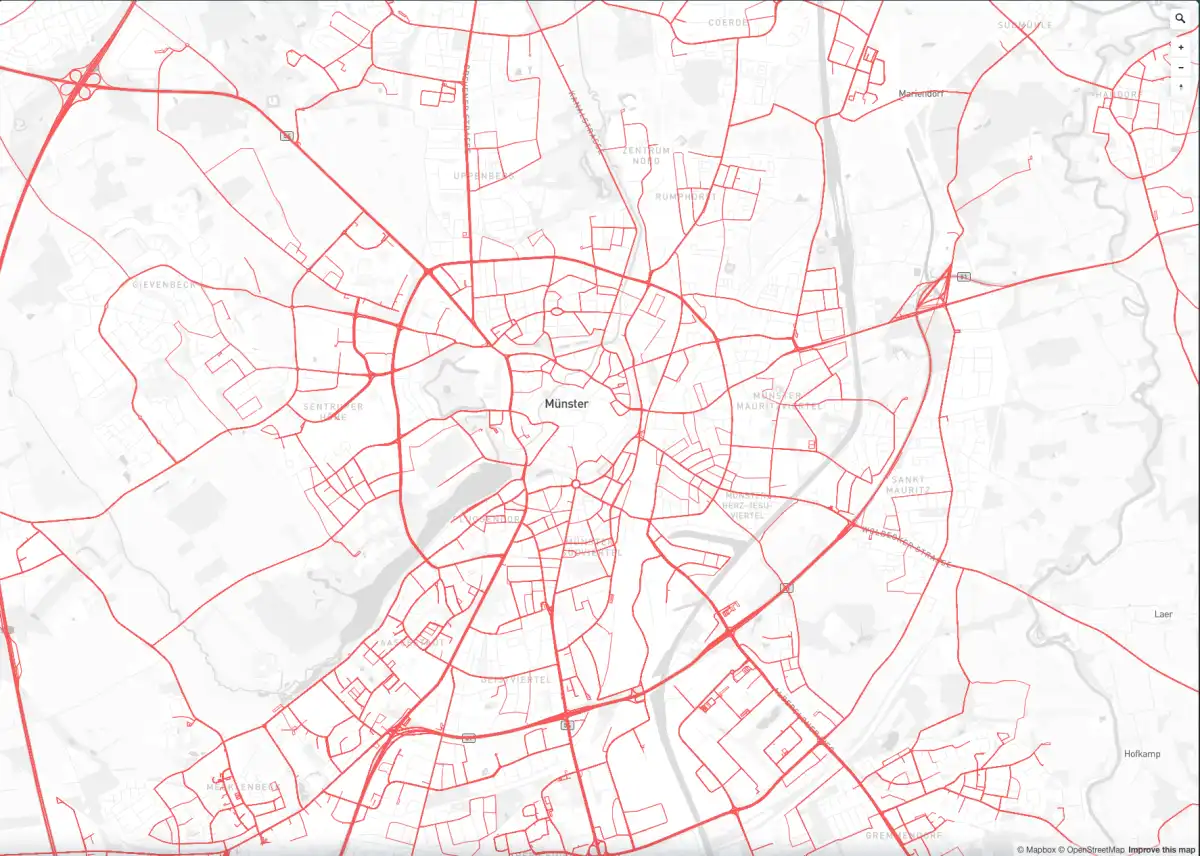
L2D was collected using identical sensor suites installed on 60 electric vehicles (EVs) operated by driving schools in 30 German cities over the span of three years. The dataset comprises 90+ TeraBytes of multimodal data, including 5000+ hours of driving footage from six surrounding high-definition cameras and complete vehicle state information such as speed, heading, GPS, and IMU.
**Why it Matters to the Industry**
The significance of L2D lies in its potential to accelerate the development of end-to-end AI models for self-driving vehicles. By providing a vast repository of multimodal data, researchers and developers can train and fine-tune their models more effectively, leading to improved performance and safety on the road.
Moreover, L2D's open-source nature allows the community to contribute to its growth and development, fostering collaboration and innovation in the field. The dataset is designed for training end-to-end models conditioned on natural language instructions or future waypoints, making it an invaluable resource for researchers and developers working on autonomous driving projects.
**What Comes Next**
Yaak invites the AI community to search and discover novel episodes in the entire dataset (> 1 PetaBytes) and queue their collection for review to be merged into future releases (R5+). This open-source approach encourages collaboration, innovation, and continuous improvement of L2D, ensuring its relevance and effectiveness in the ever-evolving field of autonomous driving.
**Key Facts**
- **Dataset Size**: 90+ TeraBytes of multimodal data
- **Duration**: 5000+ hours of driving footage
- **Cities**: Collected from 30 German cities
- **Sensor Suites**: Identical sensor suites installed on 60 EVs
- **Multimodal Data**: Includes six surrounding high-definition cameras, complete vehicle state information, and natural language instructions
In conclusion, the launch of L2D marks a significant milestone in the development of end-to-end AI for self-driving vehicles. With its vast repository of multimodal data and open-source nature, this dataset has the potential to revolutionize the field, accelerating innovation and improving safety on the road.