The Open Japanese LLM Leaderboard has been launched to evaluate and compare the performance of large-scale language models used in Japanese AI applications.
Background and Context
Large language models (LLMs) have made significant strides in English, but their performance in other languages remains a challenge. The Japanese language, with its complex writing system and unique linguistic characteristics, presents a particularly difficult case for LLMs. Despite the efforts of researchers and developers to create robust Japanese LLMs, there has been no centralized platform for comparing and evaluating these models.
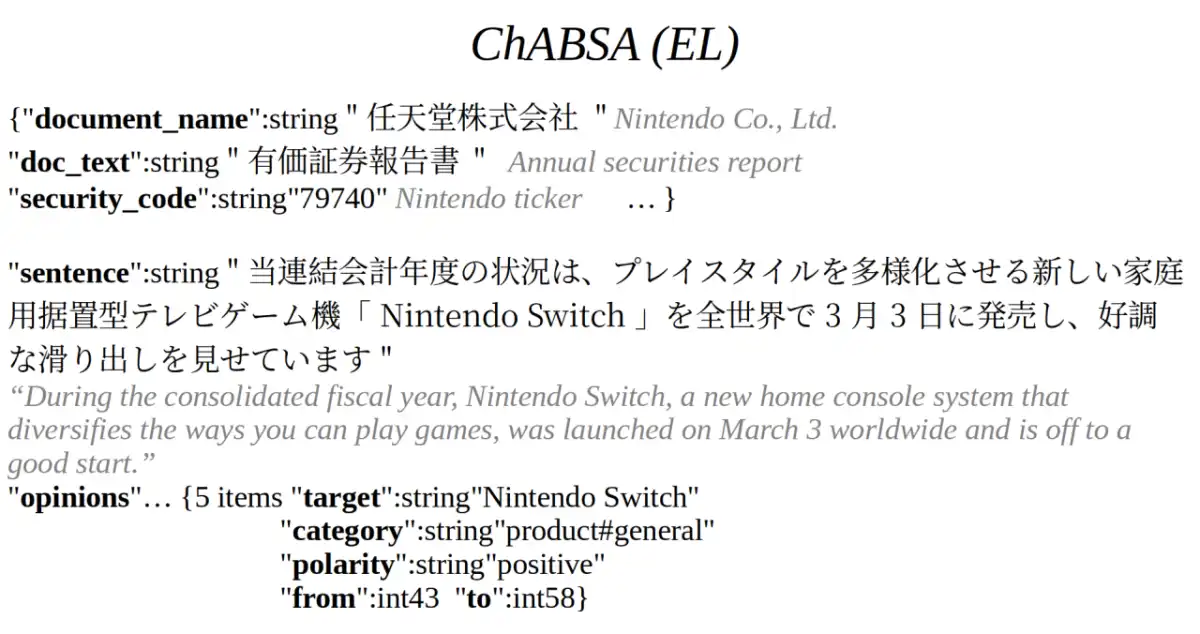
The Open Japanese LLM Leaderboard was built by the cross-organizational project LLM-jp in partnership with Hugging Face. The leaderboard uses a specialized evaluation suite called llm-jp-eval to evaluate Japanese LLMs on over 20 datasets, ranging from classical NLP tasks such as natural language inference and machine translation to more modern tasks like code generation and summarization.
The Japanese language presents several challenges for LLMs. Its writing system is a mixture of three separate sets of characters: simplified Chinese ideographic symbols (kanjis), Hiragana, and Katakana. Modern Japanese also includes loanwords from various languages, making it one of the most difficult languages to process. Furthermore, the lack of spaces between words in Japanese makes tokenization extremely difficult.
Why It Matters to the Industry
The Open Japanese LLM Leaderboard has significant implications for the adult industry, which relies heavily on AI-powered tools and platforms. The leaderboard's evaluation suite, llm-jp-eval, is designed to assess the performance of Japanese LLMs on a range of tasks relevant to the industry, including natural language processing, machine translation, and text generation.
The ability to compare and evaluate Japanese LLMs will enable developers to create more accurate and effective AI-powered tools for the adult industry. This, in turn, can improve user experience, enhance content creation, and reduce the risk of AI-generated content being misclassified or removed by platforms.
Furthermore, the Open Japanese LLM Leaderboard's focus on transparency and open-source model development philosophy aligns with the industry's growing emphasis on responsible AI practices. By promoting collaboration and evaluation among researchers and developers, the leaderboard can help to ensure that AI-powered tools are developed and deployed in a way that prioritizes user safety and content moderation.
What Comes Next
The Open Japanese LLM Leaderboard is expected to become a platform for evaluating and strengthening Japanese LLMs through collaboration between researchers both in Japan and overseas. The leaderboard's evaluation suite, llm-jp-eval, will continue to evolve as new datasets and tasks are added.
Researchers and developers can submit their Japanese LLMs to the leaderboard for evaluation, allowing them to compare their models' performance with others. This will enable the development of more accurate and effective AI-powered tools for the adult industry.
Key Facts
- The Open Japanese LLM Leaderboard has been launched to evaluate and compare the performance of large-scale language models used in Japanese AI applications.
- The leaderboard uses a specialized evaluation suite called llm-jp-eval to evaluate Japanese LLMs on over 20 datasets, ranging from classical NLP tasks to modern tasks like code generation and summarization.
- The Japanese language presents several challenges for LLMs, including its complex writing system and lack of spaces between words.
- The Open Japanese LLM Leaderboard has significant implications for the adult industry, enabling developers to create more accurate and effective AI-powered tools.
- The leaderboard's focus on transparency and open-source model development philosophy aligns with the industry's growing emphasis on responsible AI practices.
Conclusion
The Open Japanese LLM Leaderboard is a significant development for the adult industry, offering a platform for evaluating and comparing the performance of large-scale language models used in Japanese AI applications. By promoting transparency and open-source model development philosophy, the leaderboard can help to ensure that AI-powered tools are developed and deployed in a way that prioritizes user safety and content moderation.