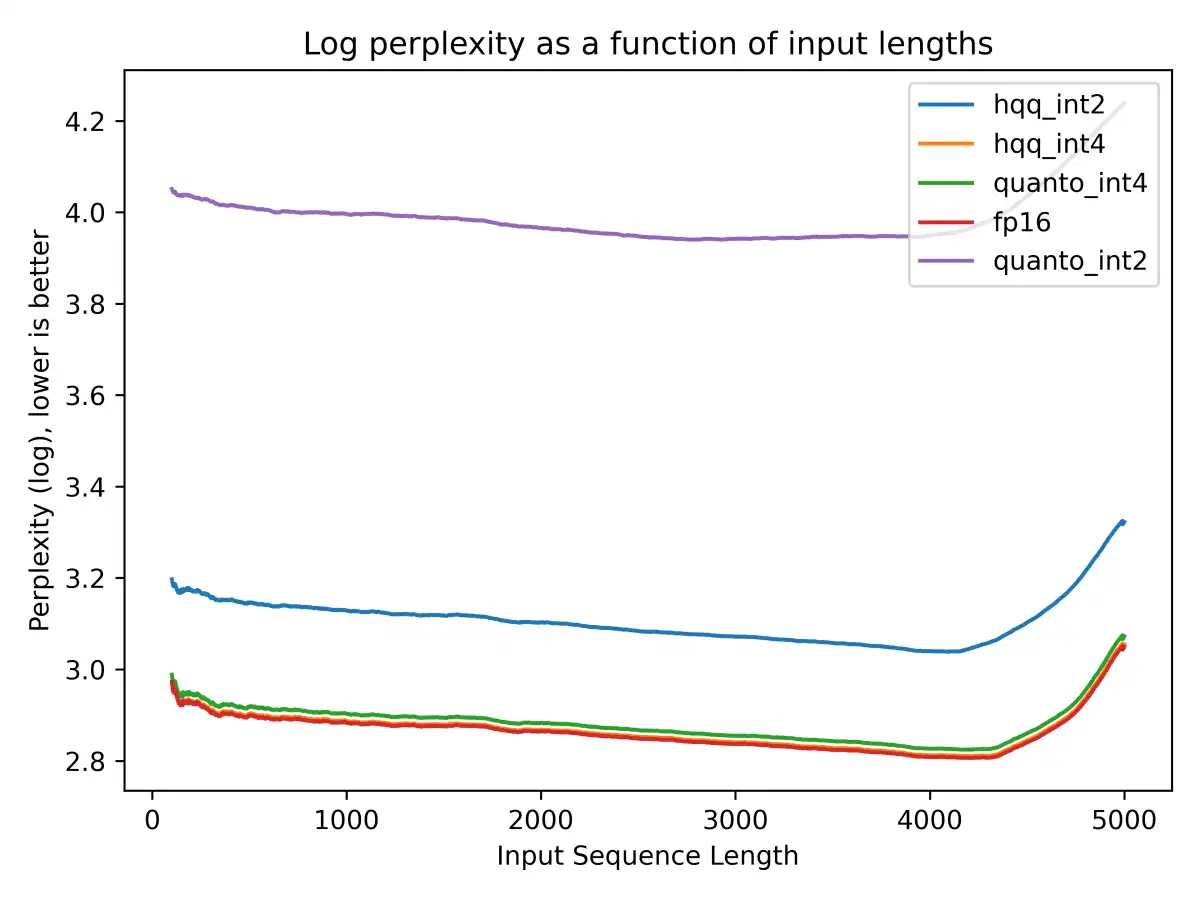
The adult industry's reliance on large language models (LLMs) for content generation and moderation has led to significant advancements in key-value cache quantization, a technique that reduces memory usage and improves performance. Recent breakthroughs in NVFP4 KV cache quantization and FP8 KV cache quantization have shown promising results, with up to 50% reduction in memory footprint and improved throughput.
Background and Context
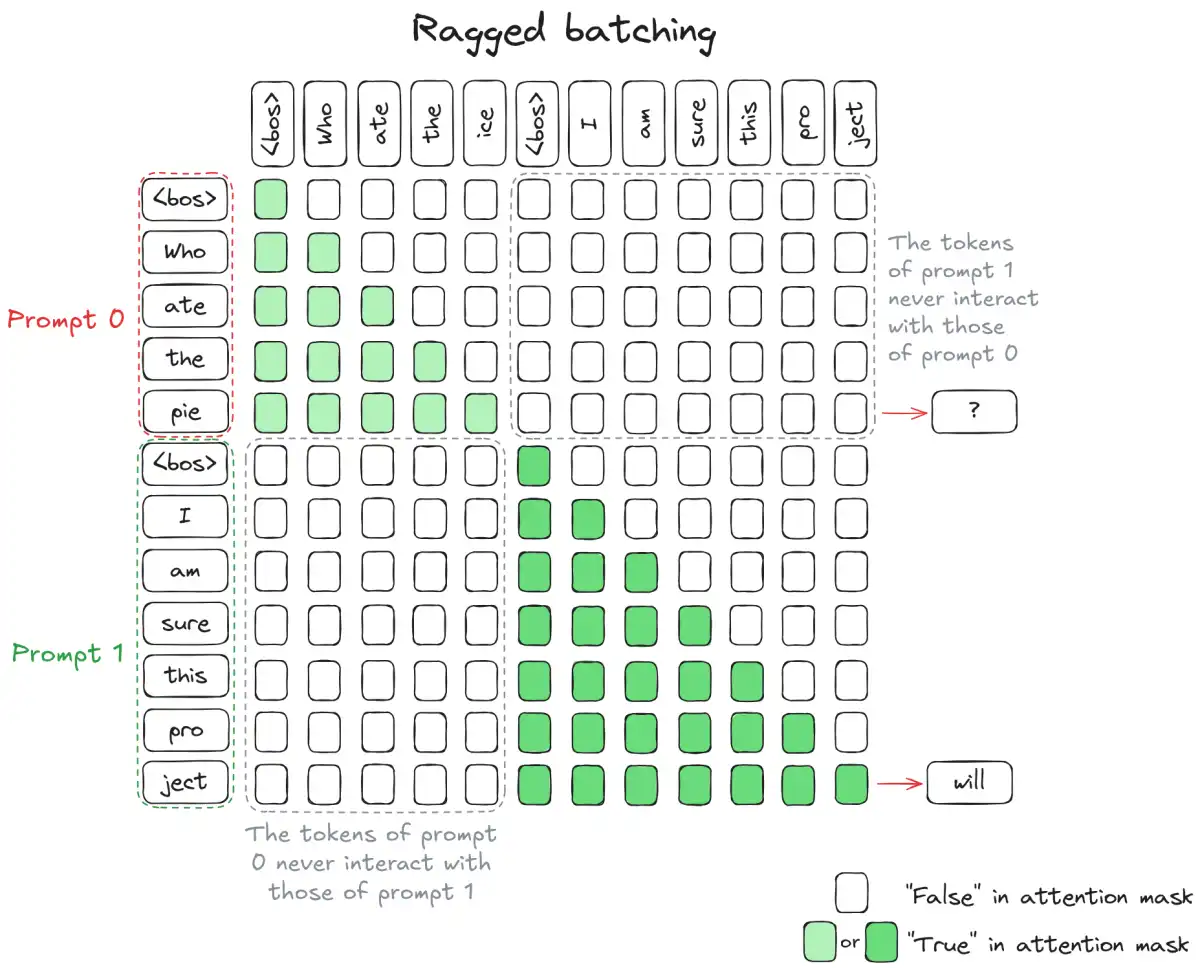
Large language models (LLMs) are complex neural networks that rely on an autoregressive process of generating tokens one by one based on all previous tokens. This process allows for consideration of the sequence's full context, which is at the heart of why LLMs perform so well at natural language modeling tasks. However, this same behavior results in significant compute inefficiencies as models attempt to recalculate each preceding token's attention projection.
Key-value (KV) cache quantization is a technique that significantly reduces both the large computing resource requirements and memory bottlenecks characteristic of LLMs. By reducing the precision of weights, activations, and KV cache, we can reduce the memory footprint and compute cost—directly improving throughput, latency, and achievable context length.
What Happened
NVIDIA recently introduced NVFP4 KV cache quantization, a new KV format that enables significant performance gains on NVIDIA Blackwell GPUs. NVFP4 cuts KV cache memory footprint by up to 50% and can effectively double context budgets, unlocking larger batch sizes, longer sequences, and higher cache-hit rates.
Additionally, the vLLM library has implemented FP8 KV cache quantization, which reduces the memory footprint of the KV cache. This optimization enables users to store more tokens in memory, leading to improved throughput and support for longer context windows.
Why it Matters
The advancements in key-value cache quantization have significant implications for the adult industry's reliance on LLMs. With reduced memory usage and improved performance, platforms can now support larger batch sizes, longer sequences, and higher cache-hit rates, leading to improved throughput and latency.
Furthermore, these breakthroughs enable the development of more efficient and scalable models, which is crucial for the adult industry's growing demand for content generation and moderation. By reducing the computational resources required, platforms can now allocate more resources to other critical tasks, such as content moderation and user experience.
What Comes Next
The future of key-value cache quantization looks promising, with ongoing research and development in this area. The vLLM library is continuously improving its implementation of FP8 KV cache quantization, and NVIDIA is working on further optimizing NVFP4 KV cache quantization.
As the adult industry continues to rely on LLMs for content generation and moderation, it's essential to stay up-to-date with the latest advancements in key-value cache quantization. By adopting these techniques, platforms can improve their performance, reduce costs, and provide better user experiences.
Key Facts
- NVFP4 KV cache quantization reduces KV cache memory footprint by up to 50%.
- FP8 KV cache quantization reduces the memory footprint of the KV cache.
- NVIDIA Blackwell GPUs support NVFP4 KV cache quantization.
- vLLM library implements FP8 KV cache quantization.
- Key-value cache quantization improves throughput, latency, and achievable context length.
The adult industry's reliance on large language models (LLMs) for content generation and moderation has led to significant advancements in key-value cache quantization. Recent breakthroughs in NVFP4 KV cache quantization and FP8 KV cache quantization have shown promising results, with up to 50% reduction in memory footprint and improved throughput.