A new wave of enterprise-focused AI scaling solutions has emerged, addressing the long-standing challenge of moving AI from pilot projects to production-scale deployment. OpenAI's recently published guide on scaling AI outlines a four-pillar framework centered on trust, governance, workflow design, and quality management. Meanwhile, Google Cloud and IBM are also investing heavily in AI scalability, with Google Cloud Next 2026 highlighting the shift towards agentic workloads and token consumption growth.
What Happened
OpenAI's guide, titled "Scaling AI," provides a comprehensive framework for enterprise AI deployment. The four-pillar approach focuses on building trust in AI systems through consistent and auditable behavior, establishing governance structures to manage compliance and risk, designing workflows that integrate AI into business processes, and ensuring quality at scale through accurate model maintenance and feedback loops.
The guide acknowledges the challenges of scaling AI, including the need for operational trust, effective governance, and efficient workflow design. By addressing these pain points, OpenAI aims to help enterprises overcome the "messy middle ground" between pilot projects and production-scale deployment. The company's timing is strategic, as many enterprises have struggled with scaling AI due to budget constraints, technical limitations, or lack of operational expertise.
Background and Context
The challenge of scaling AI has been a long-standing issue in the industry. Many pilot projects fail to deliver on their promises when moved to production environments. This is often due to issues such as model drift, data quality problems, or inadequate governance structures. As a result, enterprises have struggled to achieve meaningful ROI from their AI investments.
Google Cloud Next 2026 highlighted the shift towards agentic workloads and token consumption growth on the company's platform. Token consumption grew by 50% in three months, driven by agents running across enterprise systems, not chat interfaces. This trend indicates a growing demand for scalable AI solutions that can handle complex business processes.
Why It Matters to the Industry
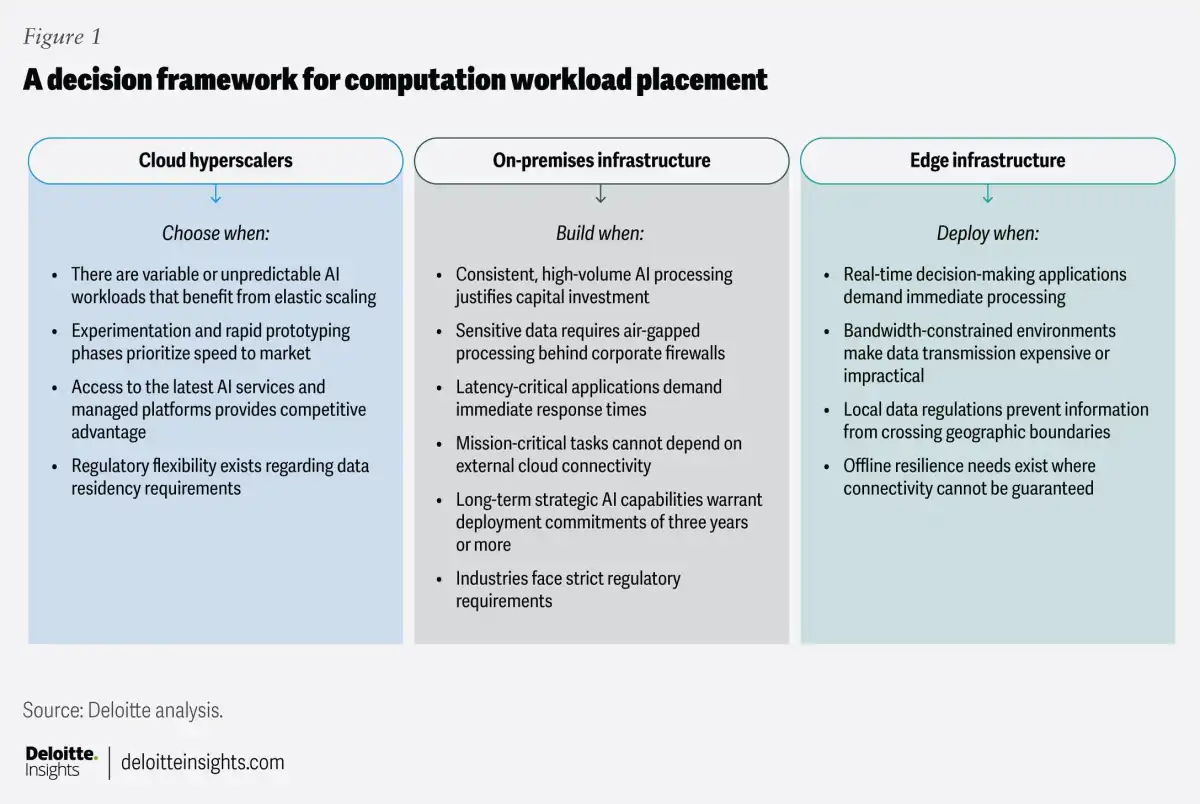
The emergence of enterprise-focused AI scaling solutions has significant implications for the adult industry. As platforms and operators seek to integrate AI into their operations, they will need to address issues such as model drift, data quality, and governance. OpenAI's guide provides a valuable framework for addressing these challenges, while Google Cloud and IBM are investing heavily in scalable AI infrastructure.
The shift towards agentic workloads and token consumption growth also highlights the growing demand for complex business process automation. Adult industry platforms and operators will need to adapt their operations to take advantage of these emerging trends, ensuring that they can scale their AI investments to meet increasing demands.
What Comes Next
The development of enterprise-focused AI scaling solutions is a critical step towards unlocking the full potential of AI in the adult industry. As platforms and operators invest in scalable infrastructure and adopt best practices for AI deployment, they will be better equipped to handle complex business processes and drive meaningful ROI from their AI investments.
Key Facts
- OpenAI's guide on scaling AI outlines a four-pillar framework centered on trust, governance, workflow design, and quality management.
- Google Cloud Next 2026 highlighted the shift towards agentic workloads and token consumption growth on the company's platform.
- Token consumption grew by 50% in three months, driven by agents running across enterprise systems, not chat interfaces.
- IBM is investing heavily in AI scalability through its MLOps framework.
- The adult industry will need to adapt its operations to take advantage of emerging trends in agentic workloads and token consumption growth.
The future of AI in the adult industry looks increasingly promising, with emerging solutions addressing long-standing challenges and driving meaningful ROI from AI investments. As platforms and operators invest in scalable infrastructure and adopt best practices for AI deployment, they will be well-positioned to take advantage of these emerging trends and drive growth in their operations.