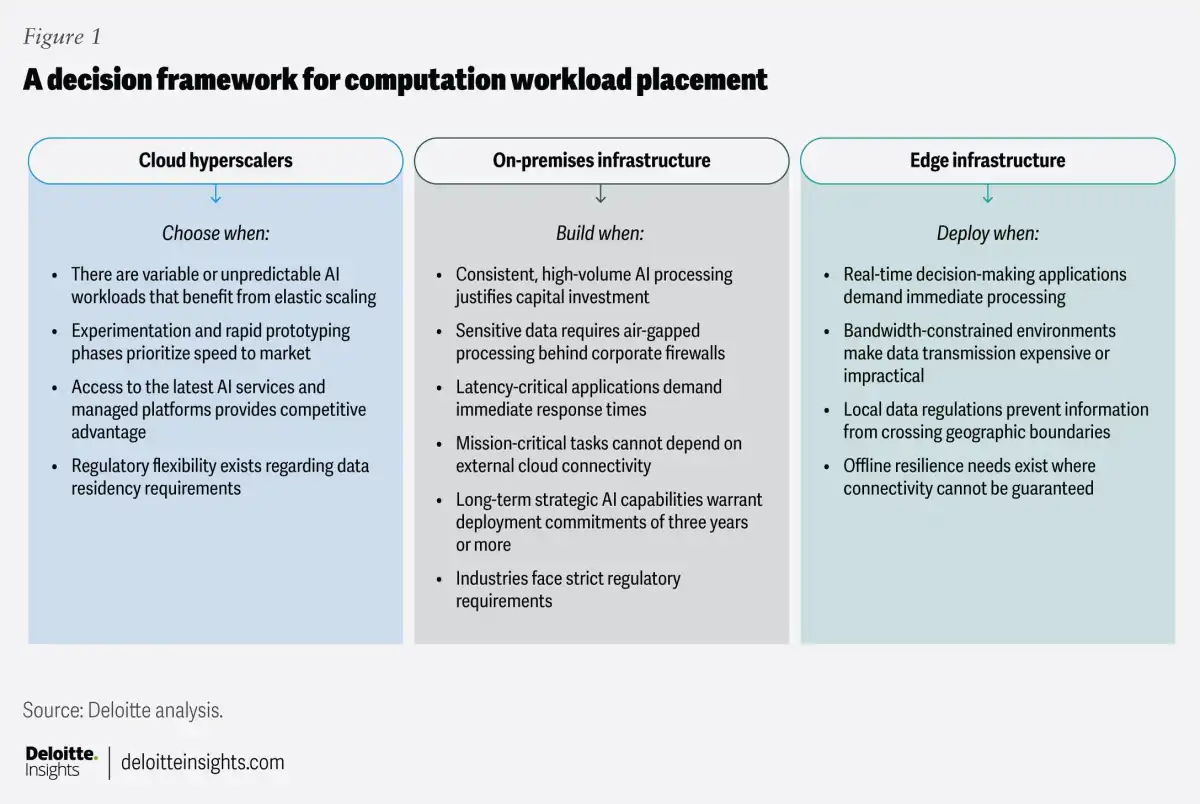
The adult industry's reliance on artificial intelligence and machine learning technologies has sparked a reckoning in the compute infrastructure sector, as companies struggle to keep up with the demands of AI-powered applications. According to recent reports, the existing infrastructure strategies are not designed for AI's unique requirements, leading to issues such as escalating costs, data sovereignty concerns, latency requirements, intellectual property protection, and resilience.
Background and Context
The AI+HW 2035 roadmap, a comprehensive document outlining the future of AI and hardware development, has highlighted the need for a new approach to infrastructure design. The report emphasizes that the next decade of AI progress will not come from bigger models alone, but rather from improving efficiency across the entire stack. This includes advances in chipsets, networking, and workload orchestration, which can address critical needs such as data sovereignty, latency requirements, and intellectual property protection.
Deming Chen, a leading expert in AI and hardware development, notes that the interesting problems don't really live in one layer anymore, but rather show up in the gaps between them. This requires a more holistic approach to infrastructure design, taking into account not just the compute resources used to run AI workloads, but also data sovereignty, latency requirements, intellectual property protection, and resilience.
Why it Matters to the Industry
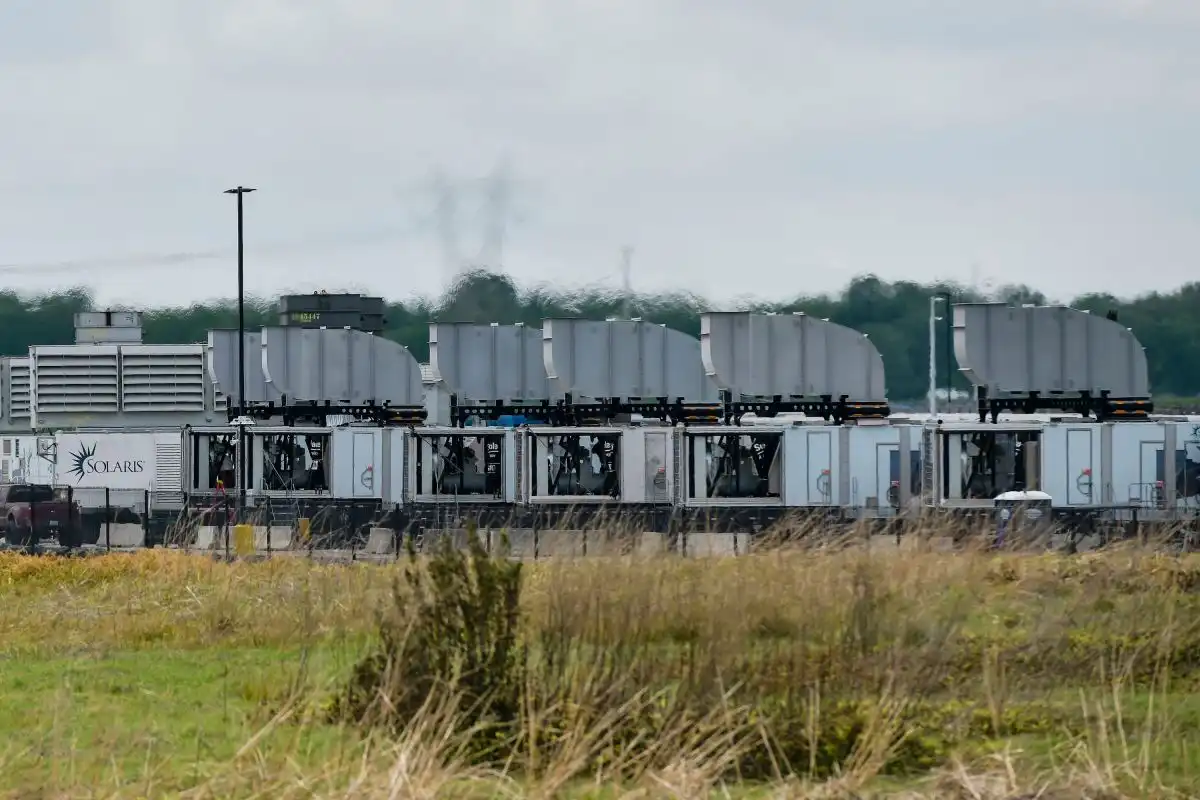
The adult industry's reliance on AI-powered applications is driving a significant increase in energy consumption, with global data center power demand expected to rise by 50% as soon as 2027 and 165% by 2030. This surge is attributed to AI workloads' explosive growth, which is putting immense pressure on every inch of physical infrastructure, from the electrical grid connection to the server cabinet.
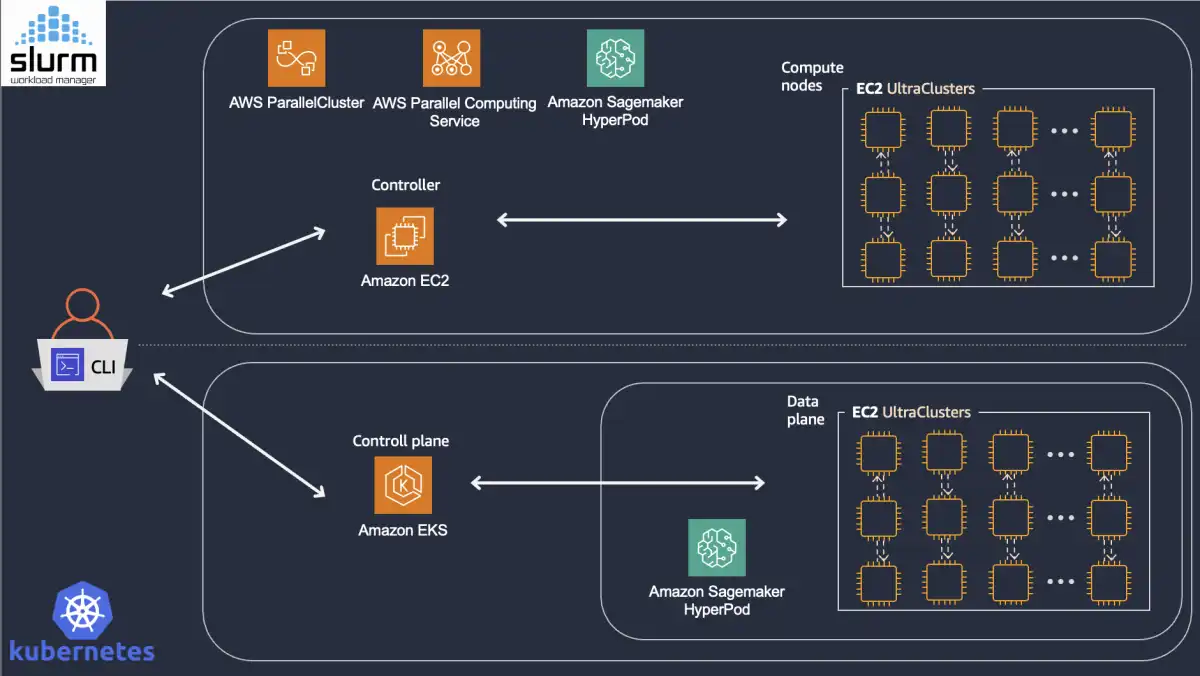
The industry's existing infrastructure strategies are not designed for AI's unique requirements, leading to issues such as escalating costs, data sovereignty concerns, latency requirements, intellectual property protection, and resilience. This requires a more efficient approach to compute strategy, leveraging advances in chipsets, networking, and workload orchestration to address critical needs.
What Comes Next
The industry is at a crossroads, with the need for a new approach to infrastructure design becoming increasingly clear. The AI+HW 2035 roadmap provides a comprehensive framework for addressing the challenges of AI-powered applications, emphasizing the importance of improving efficiency across the entire stack.
Companies such as Commonwealth Fusion Systems are already using AI to design magnets, simulate reactors, and help control plasma in real-time, highlighting the potential for fusion energy to provide clean power for massive AI systems. This "fusion-AI flywheel" has the potential to revolutionize the industry's approach to compute infrastructure.
Key Facts
- The global data center power demand is expected to rise by 50% as soon as 2027 and 165% by 2030, driven by AI workloads' explosive growth.
- The industry's existing infrastructure strategies are not designed for AI's unique requirements, leading to issues such as escalating costs, data sovereignty concerns, latency requirements, intellectual property protection, and resilience.
- Advances in chipsets, networking, and workload orchestration can address critical needs such as data sovereignty, latency requirements, and intellectual property protection.
- The AI+HW 2035 roadmap provides a comprehensive framework for addressing the challenges of AI-powered applications, emphasizing the importance of improving efficiency across the entire stack.
- Companies such as Commonwealth Fusion Systems are already using AI to design magnets, simulate reactors, and help control plasma in real-time, highlighting the potential for fusion energy to provide clean power for massive AI systems.
The industry's reliance on AI-powered applications has sparked a reckoning in the compute infrastructure sector. As companies struggle to keep up with the demands of AI-powered applications, it is clear that a new approach to infrastructure design is needed. The AI+HW 2035 roadmap provides a comprehensive framework for addressing the challenges of AI-powered applications, emphasizing the importance of improving efficiency across the entire stack.