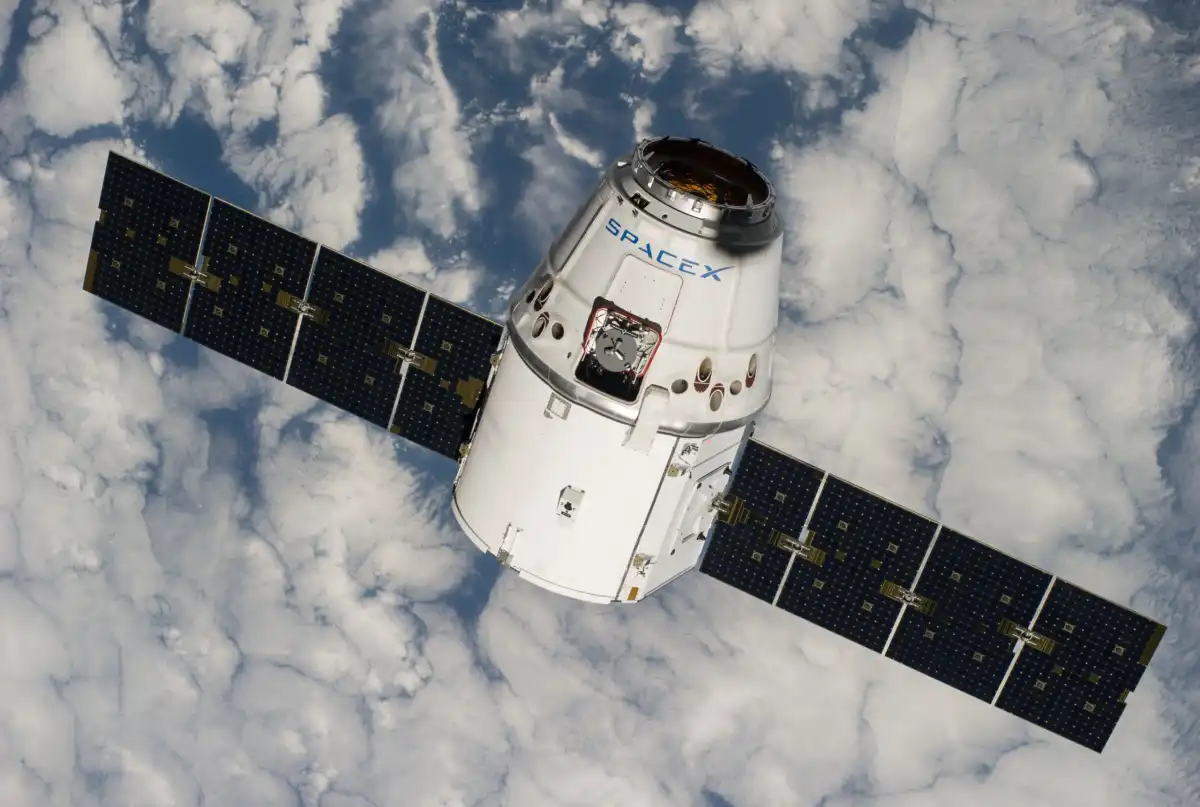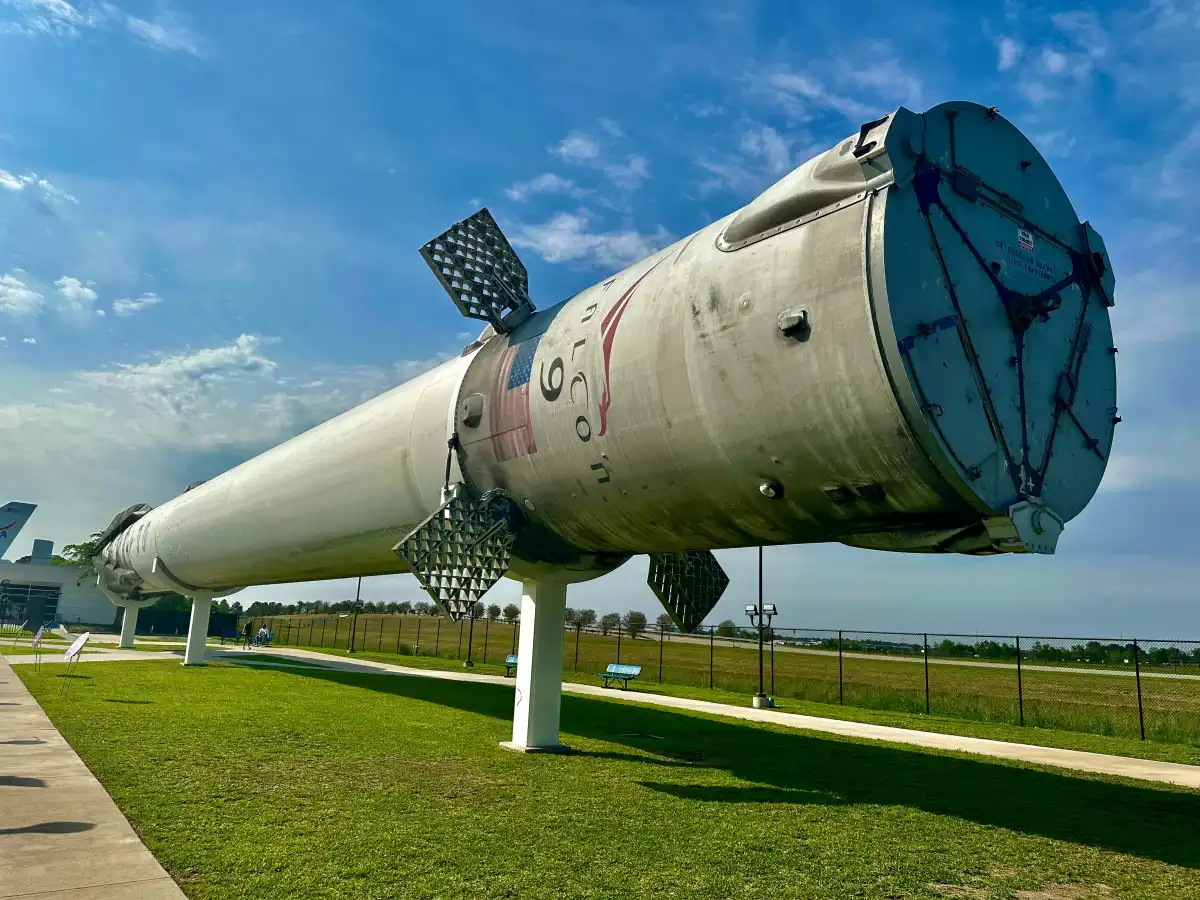
SpaceX has successfully demonstrated its Starfall reentry vehicle, a crucial step towards enabling global cargo delivery from low-Earth orbit. The company's Falcon 9 rocket carried the Starfall capsule into space on Tuesday, where it completed a series of tests before safely returning to Earth via parachute-assisted splashdown in the Pacific Ocean.
What Happened
The launch took place at Cape Canaveral Space Force Station in Florida, with the Falcon 9 rocket lifting off from Pad 40 at 6:53 am EDT. The Starfall capsule was carried into orbit and spent a few hours in low-Earth orbit before being released by the upper stage of the Falcon 9 for reentry. According to airspace and maritime warning notices, the splashdown zone was located approximately 800 miles west of California.
The mission marked a significant milestone for SpaceX's Starfall program, which aims to provide rapid and efficient delivery of cargo anywhere in the world from low-Earth orbit. The company has been working on the project under a veil of secrecy, with only limited information available about the payload or the exact sequence of events during the launch.
Background and Context
The Starfall reentry vehicle is designed to support the "transport and delivery of goods through space," according to an environmental assessment published by the Federal Aviation Administration (FAA) last month. The FAA's review approved SpaceX's proposal for two Starfall reentry demonstrations, but did not specify if these demos would happen on one or two missions.
The Starfall vehicle is cylindrical in shape, with a diameter of 10.2 feet and a height of 2.5 feet. It weighs approximately 4,600 pounds at launch, with a capacity for about 2,200 pounds of payload, for a total weight of 6,800 pounds. Designed exclusively for cargo, Starfall is smaller than SpaceX's human-rated Crew Dragon spacecraft.
SpaceX's Starfall program has significant implications for the global logistics industry, particularly in areas where traditional transportation methods are impractical or unreliable. The company's goal is to provide rapid and efficient delivery of cargo anywhere in the world from low-Earth orbit, which could revolutionize industries such as pharmaceuticals and military equipment.
Why it Matters
The successful demonstration of Starfall marks a significant step towards enabling global cargo delivery from low-Earth orbit. This technology has the potential to transform industries such as logistics, pharmaceuticals, and military equipment, providing rapid and efficient delivery of critical cargo anywhere in the world.
For adult-industry platforms and operators, this development could have significant implications for supply chain management and logistics. With Starfall, companies may be able to transport sensitive or high-value goods more efficiently and securely, reducing the risk of loss or damage during transportation.
What Comes Next
SpaceX plans to recover the Starfall vehicle, including parachutes and heat shields, "to the maximum extent practicable," according to the FAA. The company will likely continue to test and refine the Starfall system, with a focus on improving its performance and efficiency.
The successful demonstration of Starfall also raises questions about the potential applications of this technology in other industries. Could Starfall be used for transporting sensitive or high-value goods in the adult industry? What implications might this have for supply chain management and logistics?
Key Facts
- The Starfall reentry vehicle is designed to support the "transport and delivery of goods through space," according to an environmental assessment published by the FAA.
- The Starfall vehicle weighs approximately 4,600 pounds at launch, with a capacity for about 2,200 pounds of payload.
- SpaceX plans to recover the Starfall vehicle, including parachutes and heat shields, "to the maximum extent practicable," according to the FAA.
- The successful demonstration of Starfall marks a significant step towards enabling global cargo delivery from low-Earth orbit.
- Starfall has significant implications for industries such as logistics, pharmaceuticals, and military equipment.