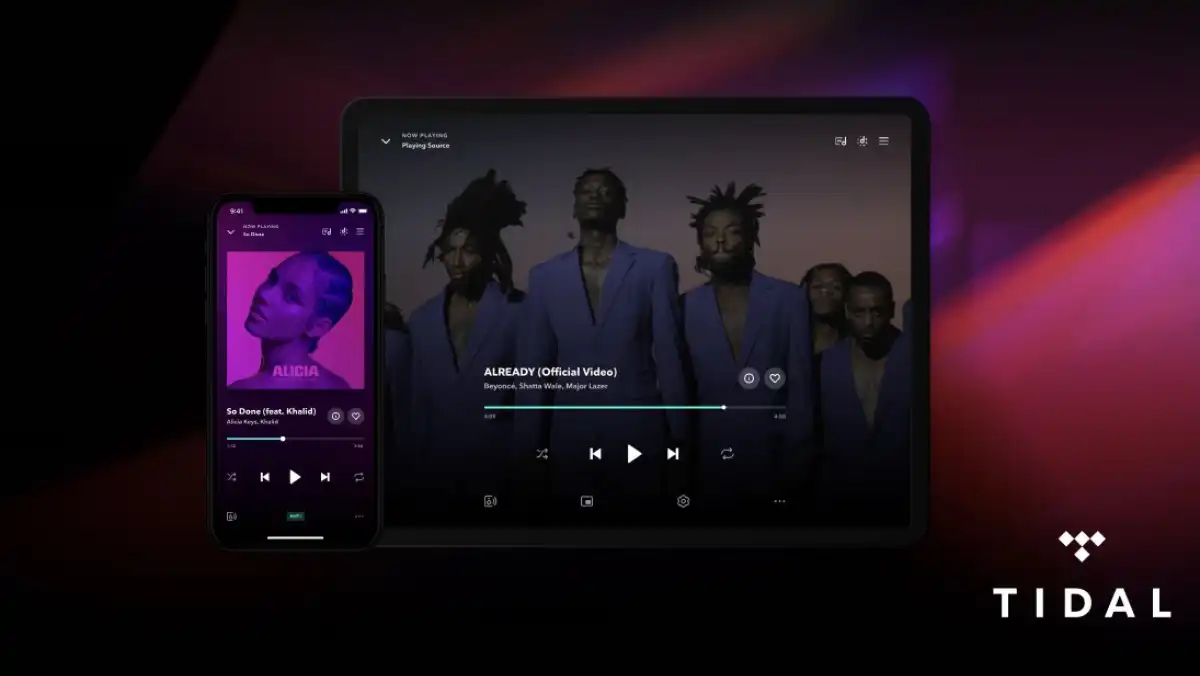
Tidal, a popular music streaming service, has introduced a new policy aimed at combating AI-generated music on its platform. The policy, which comes into effect on July 15, 2026, will prevent fully AI-generated music from earning royalties and will also remove AI-generated music that impersonates artists or is linked to fraud.
The move follows similar policies implemented by other streaming services such as Spotify, Apple Music, Deezer, and Qobuz. Tidal's policy is designed to protect the rights of original creators and ensure that royalties go to those who produce, write, and perform music themselves.
What Happened
Tidal announced its new AI policy on June 29, 2026, stating that it will no longer pay out royalties for fully AI-generated music. The company also emphasized that it will accept AI-generated music, provided it meets certain standards and is not used to impersonate artists or deceive listeners.
The policy comes as a response to the growing number of AI-generated tracks flooding streaming services. Tidal's Executive Vice President and Editor-in-Chief, Tony Gervino, stated that the company is committed to protecting and rewarding organic creativity, and that it will not knowingly attribute royalties to music identified as wholly AI-generated.
Tidal's policy also includes a provision for content distributors to identify AI-generated content before it reaches the platform. The company expects distributors to take responsibility for identifying and tagging AI-generated music, and will begin to enforce this requirement in the coming weeks.
Background and Context
The rise of AI-generated music has been a growing concern for the music industry in recent years. With the increasing availability of AI tools and software, it has become easier for creators to produce high-quality music without the need for human input. However, this has also led to concerns about copyright infringement, as AI-generated tracks often rely on existing melodies and chord progressions.
Spotify, Apple Music, Deezer, and Qobuz have all implemented policies aimed at addressing the issue of AI-generated music. Spotify's policy, for example, labels AI music and filters out spam, while also acknowledging that AI tools will be used in music creation to varying degrees. Deezer has taken a tougher stance, actively removing AI tracks from recommendations and excluding them from editorial playlists.
Tidal's policy is designed to strike a balance between allowing creators to use AI tools and protecting the rights of original creators. By preventing fully AI-generated music from earning royalties, Tidal aims to ensure that royalties go to those who produce, write, and perform music themselves.
Why it Matters
The policy has significant implications for the music industry as a whole. As AI-generated music becomes increasingly prevalent, streaming services will need to adapt their policies to address the issue. Tidal's policy sets a precedent for other streaming services to follow, and could have a major impact on the way royalties are distributed in the industry.
The policy also highlights the importance of content integrity in the digital age. As AI-generated music becomes more sophisticated, it is becoming increasingly difficult to distinguish between human-created and AI-generated tracks. Tidal's policy emphasizes the need for streaming services to take responsibility for ensuring that their platforms are free from AI-generated spam.
The policy could also have implications for the adult industry, where AI-generated content is becoming increasingly prevalent. As streaming services adapt their policies to address the issue of AI-generated music, they may also need to consider implementing similar measures to prevent AI-generated adult content from flooding their platforms.
What Comes Next
Tidal's policy will come into effect on July 15, 2026, and will be closely watched by other streaming services. The company has emphasized that its policy is a "living document" and will be updated as the industry evolves.
The policy could have significant implications for the music industry as a whole, and may set a precedent for other streaming services to follow. As AI-generated music continues to flood streaming platforms, it remains to be seen how Tidal's policy will impact the way royalties are distributed in the industry.
Key Facts
- Tidal has introduced a new policy aimed at combating AI-generated music on its platform.
- The policy prevents fully AI-generated music from earning royalties and removes AI-generated music that impersonates artists or is linked to fraud.
- Tidal will accept AI-generated music, provided it meets certain standards and is not used to impersonate artists or deceive listeners.
- Content distributors are expected to identify and tag AI-generated content before it reaches the platform.
- The policy comes into effect on July 15, 2026, and will be closely watched by other streaming services.
Tidal's policy is a significant development in the ongoing debate about AI-generated music. As the industry continues to evolve, it remains to be seen how this policy will impact the way royalties are distributed and content is created on streaming platforms.