A team of four engineers at OpenAI leveraged their AI coding assistant Codex to build and ship the Sora Android app in just 28 days, achieving a 99.9% crash-free rate and topping the Google Play Store within hours of launch.
What Happened
The development process was remarkable for its speed and efficiency. OpenAI's engineering team set up the core architecture, patterns, and quality standards, then used Codex to generate about 85% of the application's code. This approach allowed them to accelerate development without sacrificing quality or stability.
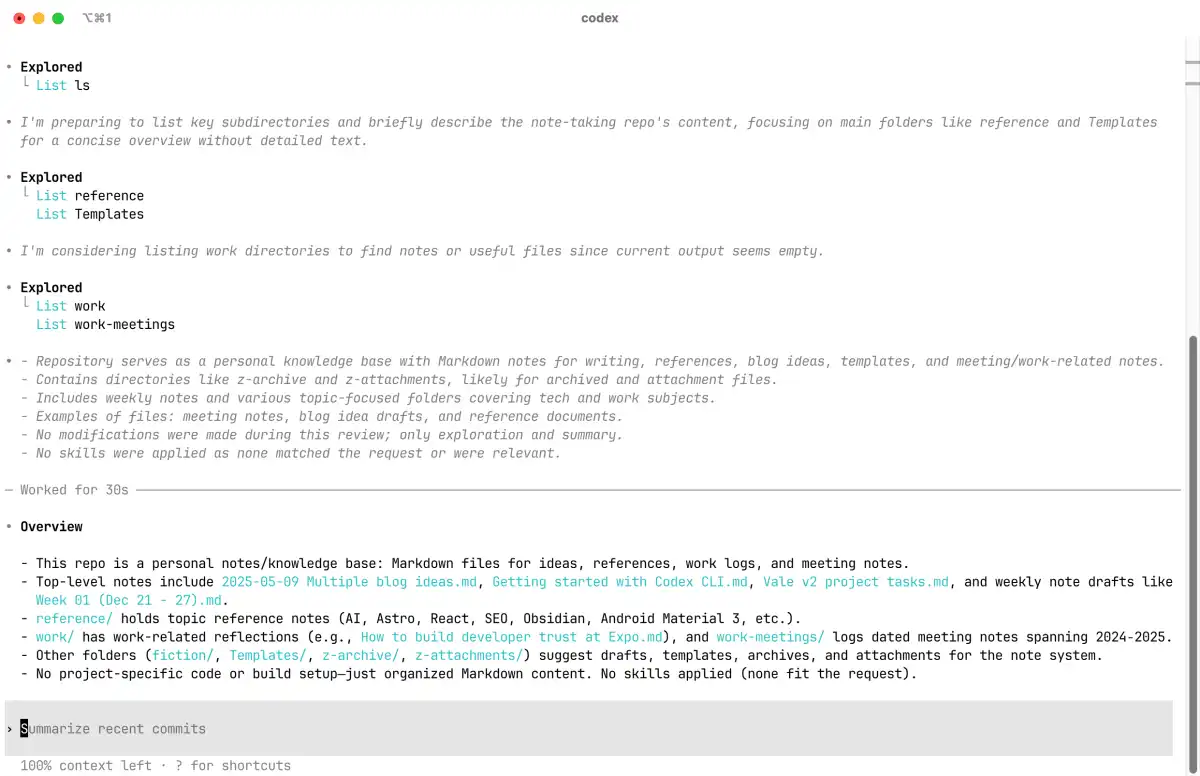
Codex, powered by an early version of the GPT-5.1-Codex model, was treated like a capable new teammate by the OpenAI team. They documented the architecture, set invariants, and let Codex fill large volumes of code within those guardrails. This collaboration enabled the team to implement features, tests, and refactors in parallel, leveraging Codex's ability to generate broad unit-test coverage and propose targeted fixes.
The 28-day development process was divided into four weeks: foundations and guardrails, parallelizing with Codex, internal release hardening, and public launch. During this time, the team consumed around 5 billion tokens and reached an internal build in just 18 days, followed by a global launch 10 days later.
Background and Context
The success of Sora Android app's development with Codex is significant because it challenges traditional software engineering conventions. OpenAI chose not to add more people to the project, as Fred Brooks warned in his famous paper "The Mythical Man-Month," but instead empowered a lean team with AI-assisted coding.
This approach revealed areas of excellence and critical limitations of Codex. While the AI excelled at understanding code, testing, feedback loops, and parallel execution, it lacked long-term architectural judgment. To mitigate this, the team used AGENT.md and AGENTS.md files to instruct Codex on formatting standards, best practices, and preferred architecture.
The use of Codex in building Sora Android app also highlights the importance of human guidance in AI-assisted development. The team treated Codex as a senior engineer requiring onboarding, which allowed them to maximize its effectiveness and achieve remarkable results.
Why it Matters to the Industry
The success of OpenAI's approach with Codex has significant implications for the adult industry, where speed, efficiency, and scalability are crucial. By leveraging AI-assisted coding, platforms can accelerate development without sacrificing quality or stability, enabling them to respond quickly to changing market demands.
Codex's ability to generate broad unit-test coverage and propose targeted fixes also reduces the risk of regressions and improves overall code quality. This is particularly important in the adult industry, where high-quality content and stable platforms are essential for user engagement and retention.
What Comes Next
The development of Sora Android app with Codex demonstrates the potential of AI-assisted coding in software development. As OpenAI continues to improve its models and techniques, we can expect to see more innovative applications of AI in the adult industry.
Alexander Embiricos, product lead for Codex at OpenAI, has shared practical workflows for getting the most out of this AI coding agent. His insights on using Codex in VS Code and terminal environments, implementing parallel workflows with Git worktrees, and creating detailed implementation plans will be valuable resources for developers looking to leverage AI-assisted coding.
Key Facts
- Codex was used to generate about 85% of the Sora Android app's code.
- The development process took just 28 days, with a 99.9% crash-free rate at launch.
- The team consumed around 5 billion tokens during development.
- Codex was treated like a capable new teammate by the OpenAI team.
- AGENT.md and AGENTS.md files were used to instruct Codex on formatting standards, best practices, and preferred architecture.
The success of Sora Android app's development with Codex is a testament to the potential of AI-assisted coding in software development. As the adult industry continues to evolve, we can expect to see more innovative applications of AI in building high-quality content and stable platforms.