The global compute landscape is undergoing a significant shift, driven by advancements in open-weight AI development and domestic chip production in China. This transformation has far-reaching implications for policymakers, researchers, and developers, particularly in the adult industry, where high-performance computing is crucial for large language models (LLMs) and other applications.
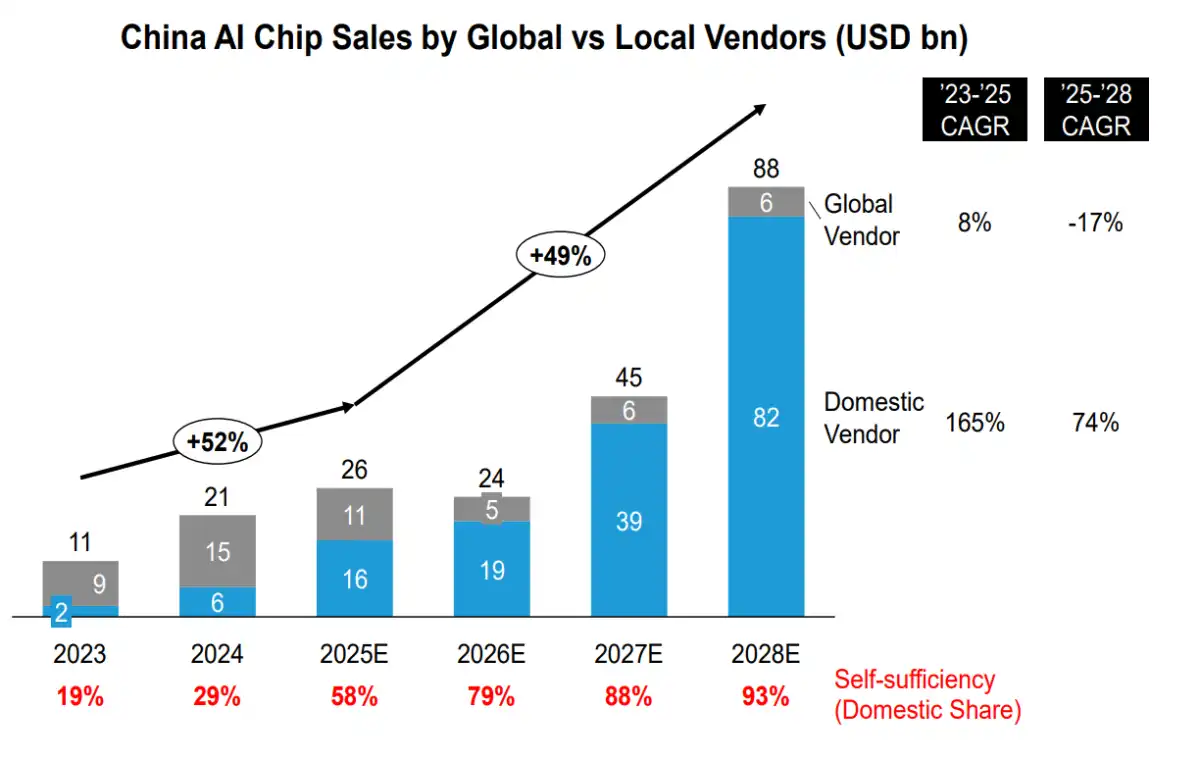
According to recent reports, China's immense progress in open-weight AI development is now being met with rapid domestic AI chip development. In the past few months, highly performant open-weight AI models' inference in China has started to be powered by chips such as Huawei's Ascend and Cambricon, with some models starting to be trained using domestic chips.
What Happened
The shift towards domestic chip production in China is a direct result of the US export controls on advanced AI chips. The 2022 ban, coinciding with the global shockwave of ChatGPT, triggered a panic across China's tech landscape. The US restrictions forced Chinese companies to find alternative solutions, leading to an accelerated development of domestic chips.
As a result, major players such as Alibaba and ByteDance have invested heavily in domestic chip production, resulting in significant breakthroughs in supernode technology. This has enabled the creation of high-performance computing systems that can rival those of global leaders like NVIDIA.
Background and Context
The US export controls on advanced AI chips were implemented to prevent China from acquiring sensitive technologies that could be used for military purposes. However, this move had an unintended consequence: it accelerated the development of domestic chip production in China.
China's unique industrial environment and policies have created a favorable ecosystem for innovation in AI computing power. The country has invested heavily in research and development, resulting in significant advancements in open-weight AI development and domestic chip production.
Why It Matters to the Industry
The shift towards domestic chip production in China has significant implications for the adult industry, where high-performance computing is crucial for LLMs and other applications. The emergence of Chinese companies as major players in the global compute landscape could lead to increased competition and innovation in AI computing power.
Furthermore, the development of domestic chips in China could reduce reliance on US-made chips, which are currently dominant in the market. This shift could have far-reaching consequences for the industry, particularly in terms of cost and performance.
What Comes Next
The future of AI computing power is uncertain, but one thing is clear: the global compute landscape will continue to evolve rapidly. As Chinese companies continue to invest in domestic chip production, we can expect significant advancements in open-weight AI development and high-performance computing systems.
The US export controls on advanced AI chips may have accelerated this process, but they also highlight the need for a more nuanced approach to regulating sensitive technologies. Policymakers will need to balance national security concerns with the need for innovation and competition in the global compute landscape.
Key Facts
- The US export controls on advanced AI chips have accelerated domestic chip production in China.
- Chinese companies such as Alibaba and ByteDance are investing heavily in domestic chip production.
- Domestic chip production in China has resulted in significant breakthroughs in supernode technology.
- The emergence of Chinese companies as major players in the global compute landscape could lead to increased competition and innovation in AI computing power.
- The development of domestic chips in China could reduce reliance on US-made chips, which are currently dominant in the market.