The open-source AI ecosystem in China has witnessed a significant shift in architectural choices and innovations, driven by the success of models like DeepSeek-MoE. Chinese companies are no longer optimizing isolated models but pursuing distinct architectural paths aimed at building full ecosystems suited to an open-source world.
What Happened
The "DeepSeek moment" marked a pivotal juncture in the narrative of Chinese open-source AI, with DeepSeek-MoE demonstrating cutting-edge performance and transparent open-sourcing. This moment resonated globally, showcasing that Chinese models could not only compete but even surpass established Western counterparts in terms of efficiency and inference speed.
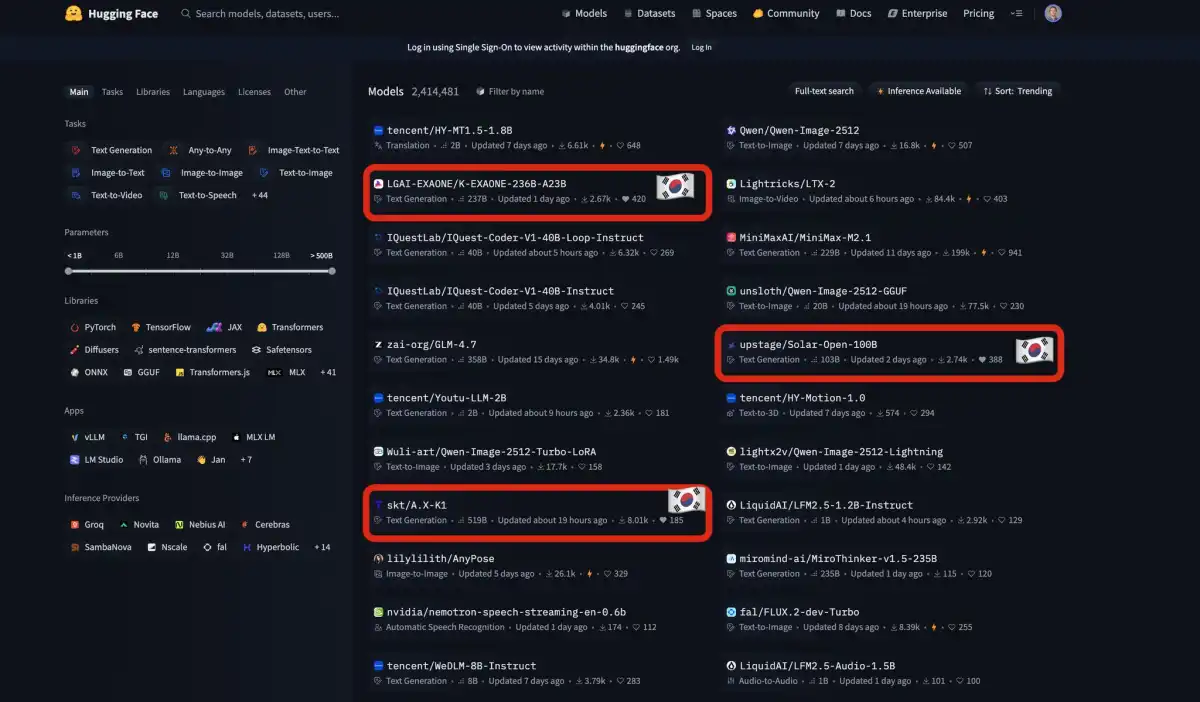
Since then, Chinese developers have been actively shaping the future of AI with unique approaches tailored for performance, scalability, and broad applicability. The emergence of Mixture-of-Experts (MoE) architectures has been a significant trend, with models like Kimi K2, MiniMax M2, and Qwen3 adopting this approach.
The MoE architecture is designed to allocate compute resources dynamically according to task complexity and value, making it an efficient solution for real-world constraints. This shift towards MoE has led to a focus on sustainability, deployability, and continuous evolution, rather than solely pursuing the strongest possible performance.
Background and Context
The "DeepSeek moment" was not just about a single model; it was a testament to a burgeoning ecosystem driven by diverse architectural choices. Chinese developers are prioritizing the development of computationally efficient models optimized for flexible downstream deployment.
The widespread adoption of open-weight LLMs has reshaped global technology access and reliance patterns, impacting AI governance, safety, and competition. Policymakers should ground their policy actions in a granular understanding of real-world deployment.
Chinese companies are now pursuing distinct architectural paths aimed at building full ecosystems suited to an open-source world. This shift is driven by the recognition that models have become commodities, and the real differentiator becomes systemic operability.
Why It Matters
The innovations in China's open-source AI ecosystem have significant implications for the industry. The focus on MoE architectures and computationally efficient models optimized for flexible downstream deployment will likely influence the development of future AI systems.
The shift towards sustainability, deployability, and continuous evolution will also impact the way companies approach AI development and deployment. This trend is expected to continue, with Chinese developers actively shaping the future of AI.
The widespread adoption of open-weight LLMs has already begun to reshape global technology access and reliance patterns. As policymakers, it is essential to understand the real-world implications of these developments and adapt policy actions accordingly.
What Comes Next
The next blog in this series will delve deeper into organizational wins and share expectations for 2026. The Chinese government's support of open-weight model development has played a substantial role, but its long-term viability remains uncertain.
As the industry continues to evolve, it is crucial to monitor developments in China's open-source AI ecosystem. The innovations and architectural choices made by Chinese developers will likely have far-reaching implications for the future of AI.
Key Facts
- The "DeepSeek moment" marked a pivotal juncture in the narrative of Chinese open-source AI, with DeepSeek-MoE demonstrating cutting-edge performance and transparent open-sourcing.
- Mixture-of-Experts (MoE) architectures have become a significant trend in China's open-source AI ecosystem, with models like Kimi K2, MiniMax M2, and Qwen3 adopting this approach.
- The MoE architecture is designed to allocate compute resources dynamically according to task complexity and value, making it an efficient solution for real-world constraints.
- Chinese companies are now pursuing distinct architectural paths aimed at building full ecosystems suited to an open-source world.
- The widespread adoption of open-weight LLMs has reshaped global technology access and reliance patterns, impacting AI governance, safety, and competition.