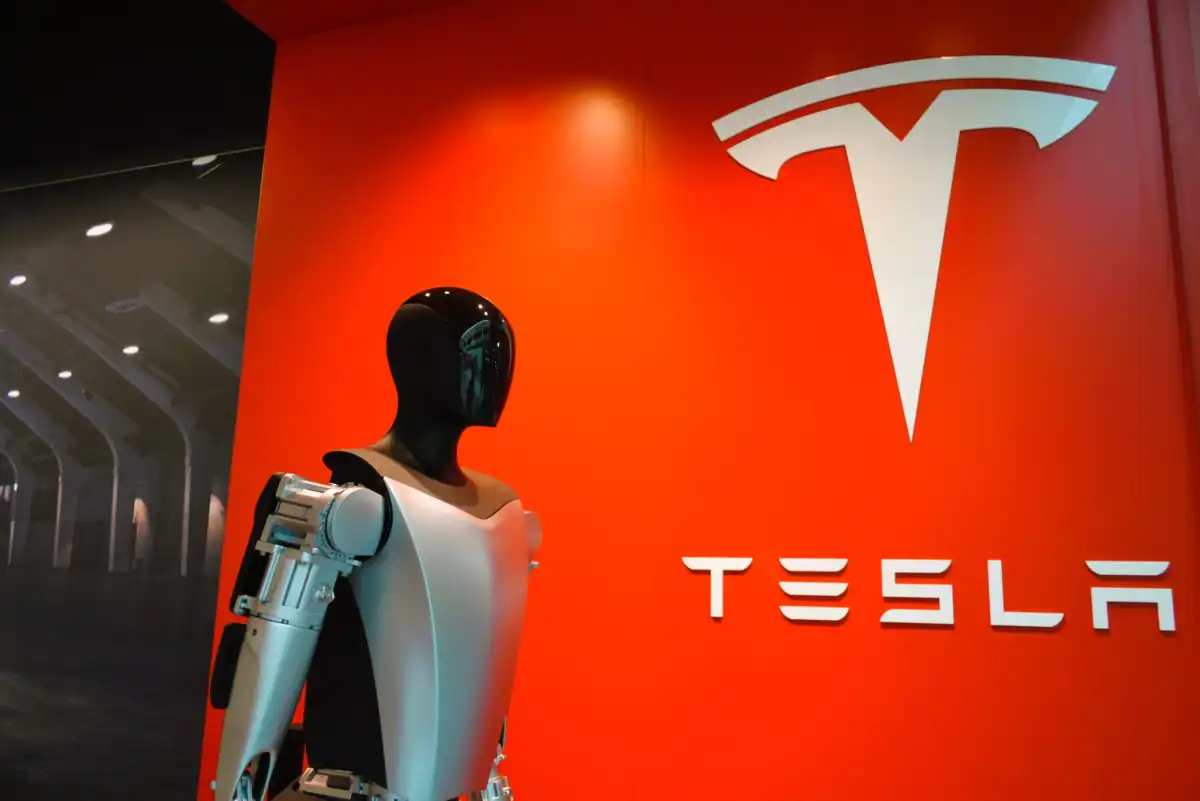
Tesla has taken legal action against its former engineer Zhongjie "Jay" Li, accusing him of stealing sensitive information from the company's humanoid robotics program, Optimus. The lawsuit claims that Li took trade secrets and used them to launch a rival startup, Proception Inc., which is backed by Y Combinator.
What Happened
Li spent two years working on Tesla's most sensitive Optimus robotics technology, specifically the advanced hand sensors that Elon Musk calls "the most sophisticated hand ever made". In his final months at Tesla, Li was allegedly researching humanoid robotic hands on his work computer and browsing venture capital websites. Not exactly subtle.
According to Tesla's lawsuit, Li downloaded confidential data relating to robotic hand sensor technology during the final months of his employment and used it to form a competing company. That company, called Proception, quickly surfaced as a Y Combinator-backed startup focused on humanoid robotic hands. The rapid development of Proception's technology has caught Tesla's attention and concern.
Tesla claims that Li transferred sensitive documents to personal devices, giving him access to core aspects of the Optimus project well beyond his employment period. If proven, this could lend weight to Tesla's argument that the resemblance between Optimus and Proception's designs is not coincidental. The lawsuit highlights the growing tensions in the competitive race for dominance in humanoid robotics.
Background and Context
Tesla has invested billions in Optimus development and expects to produce millions of units annually within five years. That's not side-project money. Musk isn't just building another product; he's betting Tesla's future on Optimus. His prediction? "Optimus will be overwhelmingly the value of the company."
Building truly skillful robotic hands is genuinely one of the hardest problems in robotics. It's why most robots still look like they're wearing oven mitts. If Li really did crack this code in five months using legitimate innovation, he deserves a Nobel Prize. If he had a head start using Tesla's research, then that's a different story.
The lawsuit reveals something important about the current state of robotics: the competition is so fierce that companies are willing to go to court over departing employees. Tesla has now sued former employees four times, and this case underscores broader concerns within the tech industry about where to draw the line between an employee's professional experience and the illicit use of confidential data.
Why it Matters to the Industry
The stakes are high in humanoid robotics, with companies investing billions into robotic development. The potential loss of even one key innovation can carry severe financial consequences. Tesla's lawsuit is part of a growing trend among tech firms aggressively defending their intellectual property, especially in emerging fields like humanoid robotics.
This case may shape how firms defend emerging AI and robotics technologies. It also raises questions about the ethics of employee mobility and the use of confidential information. As the industry continues to evolve, companies will need to balance innovation with IP protection and employee loyalty.