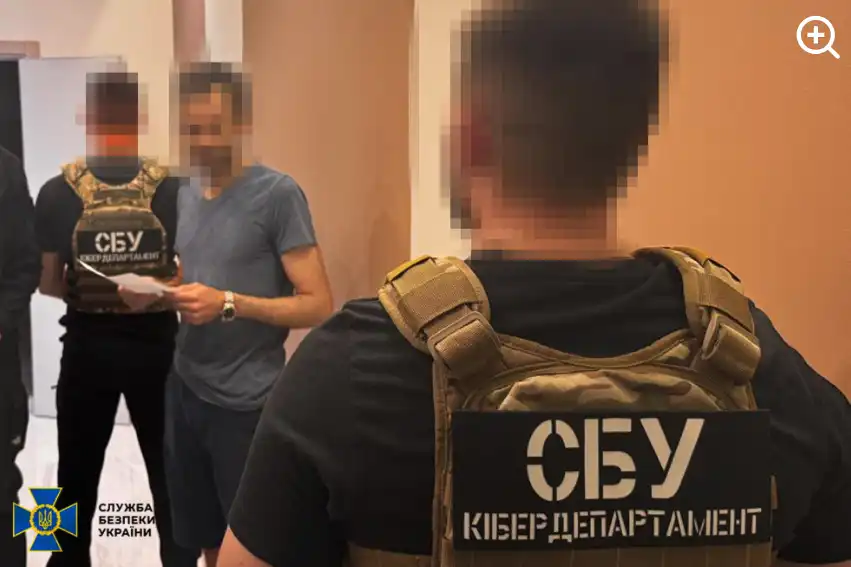
Polish authorities have arrested four members of an organized cybercrime group accused of carrying out sophisticated SIM-swapping attacks, cryptocurrency theft, and large-scale money laundering operations. The operation was conducted with support from the FBI and HSI agents, indicating a cross-border dimension that likely extends to US victims or infrastructure.
What Happened
The four suspects used social engineering alongside SIM-swap techniques to compromise their targets. Social engineering in this context means manipulating people, whether telecom employees, victims themselves, or intermediaries, into handing over access or sensitive information. According to investigators, the suspects systematically targeted IT systems belonging to entities that cooperated with telecommunications operators.
The stolen information allegedly enabled the attackers to carry out SIM-swapping attacks, allowing them to clone and hijack victims' phone numbers. Once control of a victim's phone number was established, the perpetrators reportedly gained access to SMS messages and email communications, enabling them to bypass security measures and take over cryptocurrency exchange accounts.
Background and Context
SIM-swapping is essentially identity theft with a phone number twist. Attackers convince (or bribe) mobile carriers into transferring a victim's phone number to a new SIM card. Once they control the number, they intercept two-factor authentication codes and drain crypto wallets, exchange accounts, or anything else protected by SMS verification.
The operation was part of a growing European crackdown on SIM-swap fraud. In October 2025, Europol's SIMCARTEL initiative successfully took down fraud networks through a series of coordinated arrests and seizures. That operation targeted different fraud mechanisms but shared the same DNA: criminals exploiting the weakest link in digital security.
Why It Matters to the Industry
The uncomfortable truth about SIM-swapping attacks is that they exploit a vulnerability most crypto holders ignore: SMS-based two-factor authentication. Hardware-based authentication, like YubiKeys or similar FIDO2 options, eliminates the inherent risk of SIM swapping altogether.
This case highlights the need for robust security measures in the adult industry. With the rise of online platforms and streaming services, the risk of SIM-swapping attacks increases exponentially. Industry operators must take proactive steps to protect their users' accounts and assets from such threats.
What Comes Next
The four individuals arrested in Poland face serious charges, including participation in an organized criminal group, hacking into IT systems to commit theft, and money laundering. The maximum penalty for these offenses is 25 years in prison.
The operation has sent a strong message to cybercrime groups that they will be pursued relentlessly by law enforcement agencies across the globe. However, it remains to be seen whether this crackdown will have a lasting impact on the SIM-swapping ecosystem.
Key Facts
- Four members of an organized cybercrime group were arrested in Poland for carrying out sophisticated SIM-swapping attacks and cryptocurrency theft.
- The operation was conducted with support from the FBI and HSI agents, indicating a cross-border dimension that likely extends to US victims or infrastructure.
- The suspects used social engineering alongside SIM-swap techniques to compromise their targets.
- Authorities estimate that the value of the laundered assets exceeded tens of millions of Polish zlotys.
- The four individuals arrested face serious charges, including participation in an organized criminal group, hacking into IT systems to commit theft, and money laundering.
The adult industry must take note of this case and implement robust security measures to protect their users' accounts and assets from SIM-swapping attacks. This includes switching to hardware-based authentication devices or app-based authenticators like Google Authenticator or Authy.