Kali Linux 2026.2 has been released, featuring nine new tools and numerous updates to its NetHunter penetration testing platform for Android devices.
What Happened
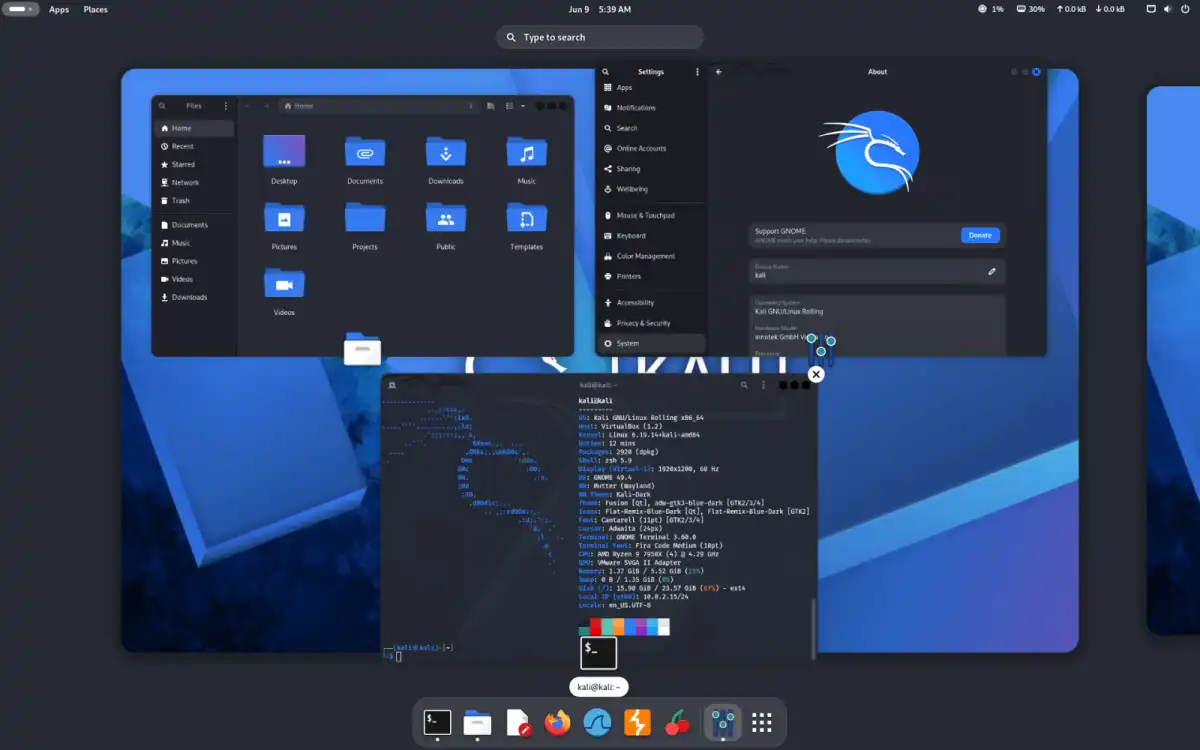
The Kali Linux team has officially released Kali Linux 2026.2, the second major update of the year, which brings a mix of desktop environment upgrades, infrastructure modernization, VM performance enhancements, and new tools for penetration testers and security researchers.
This release bumps two major desktop environments to their latest versions: GNOME 50 and KDE Plasma 6.6. GNOME 50 arrives with significant file manager optimizations, faster thumbnail and icon loading, reduced memory usage, a revamped accessibility preferences window, and support for document annotations directly within the Document Viewer app.
KDE Plasma 6.6 focuses on accessibility and usability, introducing a new on-screen keyboard, OCR-powered text extraction via the Spectacle screenshot utility, color-vision support options, and adoption of the standardized Reduced Motion setting.
Background and Context
Kali Linux is a Debian-based GNU/Linux distribution designed for penetration testing and ethical hacking. It comes with tools for security audits, penetration testing, and network research, and supports a wide range of hardware, including Raspberry Pi devices and Android phones via Kali NetHunter.
The Kali team has been working on improving the performance and usability of their platform, particularly in virtual machine environments. In this release, they have removed pre-installed graphics firmware for VM images, resulting in a leaner 60 MB initrd and boot times approximately 3x faster for QEMU VM users.
The Kali team has also updated the helper scripts to improve consistency across tools that depend on a service. This includes managing services, checking if they're running, tracking service status, listing default credentials, and getting info on how to access running services.
Why it Matters
This release is significant for adult-industry platforms and operators because of its focus on performance enhancements and infrastructure modernization. The removal of pre-installed graphics firmware for VM images will improve the boot times and reduce the memory usage of virtual machines, making it easier to manage large-scale operations.
The updates to the helper scripts will also make it easier for developers to manage services and dependencies, reducing the complexity of maintaining large-scale systems. Additionally, the new tools added in this release, such as arsenal-ng and oletools, will provide penetration testers with more powerful and efficient tools for vulnerability scanning and adversary emulation.
What Comes Next
The Kali team has also updated Kali NetHunter with support for new devices and features, including Magisk standalone kernel flashing support, new kernels with qcacld3 injection support, and bare metal support on more phones via NetHunter Pro.
Existing Kali Linux 2026.1 users can update their installations by running the sudo apt update && sudo apt full-upgrade commands in their favorite terminal emulator app. There is no need to download the new ISO image to update their installations.
Key Facts
- Kali Linux 2026.2 has been released, featuring nine new tools and numerous updates to its NetHunter penetration testing platform for Android devices.
- The release bumps two major desktop environments to their latest versions: GNOME 50 and KDE Plasma 6.6.
- Pre-installed graphics firmware for VM images has been removed, resulting in a leaner 60 MB initrd and boot times approximately 3x faster for QEMU VM users.
- The helper scripts have been updated to improve consistency across tools that depend on a service.
- Kali NetHunter has been updated with support for new devices and features, including Magisk standalone kernel flashing support and bare metal support on more phones via NetHunter Pro.