Google has placed limits on Meta's use of its Gemini AI models due to compute constraints, affecting several clients and highlighting a broader supply crisis in the industry.
What Happened
The move was reported by the Financial Times, citing sources familiar with the matter. Google informed Meta around March that it could not meet the full capacity Meta wanted to purchase for its Gemini models. The shortfall disrupted and delayed some of Meta's internal AI projects, including those related to content moderation at scale.
Meta has been relying on external AI providers due to its own infrastructure constraints. Despite spending heavily on AI research and development, the company still requires access to large-scale computing capacity to support its ambitious AI plans. The Gemini models are among the most capable large language models available, and Meta's high demand for them pushed Google's infrastructure to the limit.
Background and Context
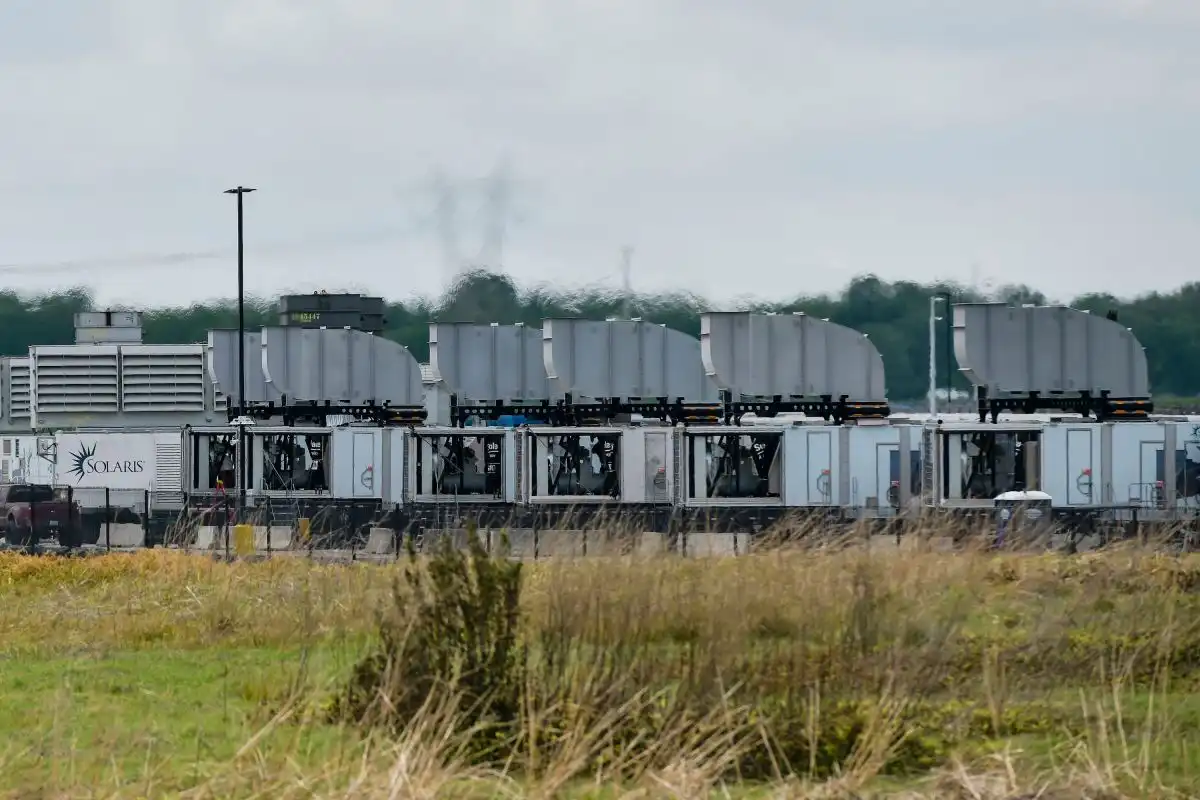
The situation illustrates a broader challenge facing the industry: the rapid growth of demand for AI compute has outpaced the supply of physical infrastructure required to support it. Despite significant investments in high-end microchips and massive data centers, tech conglomerates are struggling to manufacture enough raw computing power to satisfy the exponential demand for AI services.
Google's own cloud division is feeling the strain. In its April 29 earnings call, Alphabet CEO Sundar Pichai noted that acute computing power constraints held back even higher growth in Google Cloud revenue, which surged to $20 billion in the first quarter of 2026. The company's project backlog nearly doubled to over $460 billion during the same period.
Why It Matters
The restrictions on Meta's Gemini access point to a broader power shift inside the AI boom. Companies with deep pockets can still be throttled by rival supply chains, making access to cloud capacity and frontier models a strategic vulnerability. For Meta, a bottleneck on Gemini can slow experimentation, delay products, and force harder choices about where to spend scarce tokens and processing time.
For Google, the same shortage is both an opportunity and a constraint: demand is strong, but the business cannot fully monetize it unless it can keep enough infrastructure online. The situation highlights the need for companies to invest in their own AI infrastructure and develop internal alternatives capable of handling critical workloads like content moderation at scale.
What Comes Next
164,019 page views