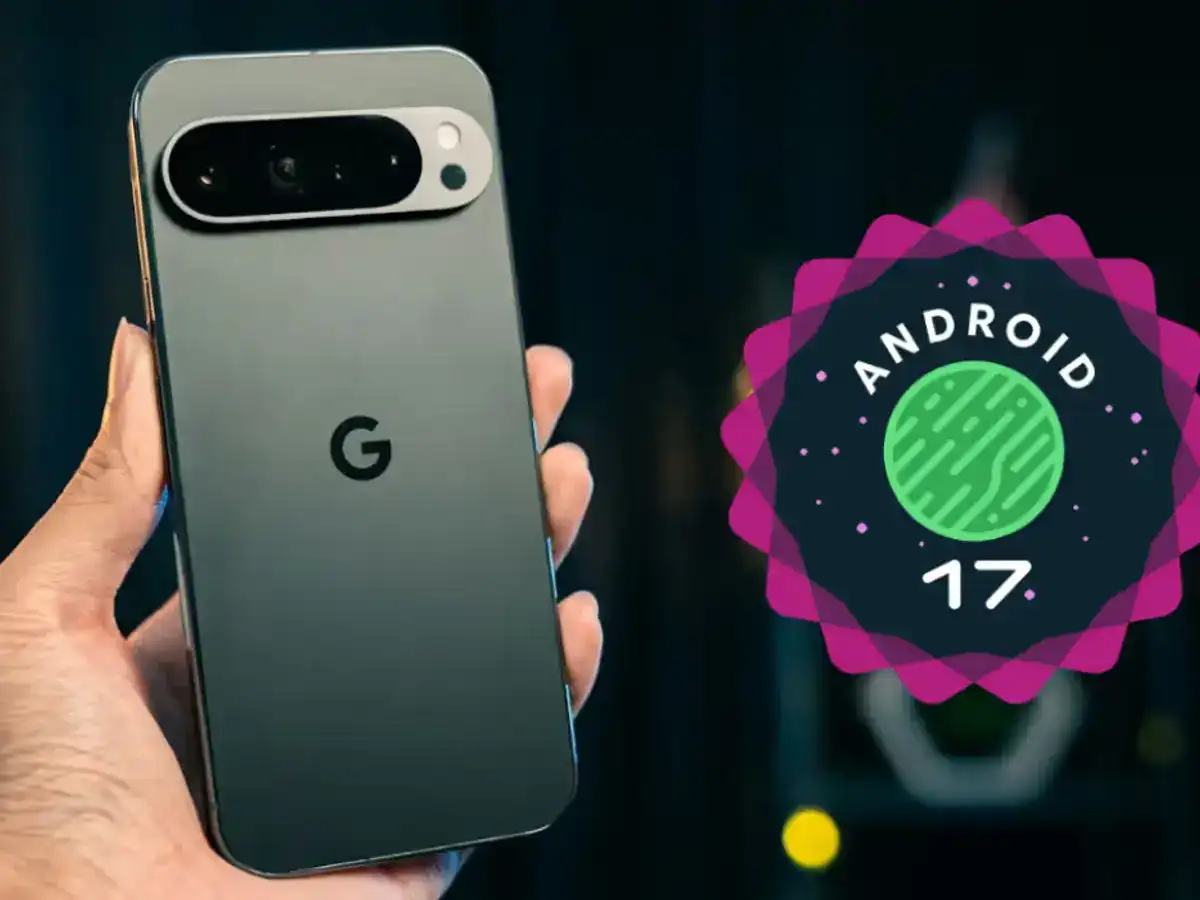
Google has released Android 17 and Wear OS 7, introducing new multitasking features, parental controls, security tools, and smartwatch upgrades. The launch is also accompanied by a Pixel Drop that brings Google's latest AI models to its devices.
What Happened
The release of Android 17 marks another major step in Google's plan to make Gemini the center of its software ecosystem. Following the announcements at Google I/O 2026, Android 17 introduces deeper Gemini integration, enhanced multitasking capabilities, and a more AI-powered user experience.
Google has spent the last year embedding Gemini across its products, including Search, Workspace, YouTube, Chrome, and Android. With Android 17, Gemini becomes even more deeply integrated into the operating system itself. Users can expect AI-powered assistance throughout everyday tasks such as searching for information, managing schedules, summarizing content, creating messages, organizing workflows, handling multitasking requests, and more.
The rollout begins with Google's Pixel smartphones before expanding to other Android manufacturers in the coming months. For Android users, this is more than a routine operating system update – it is part of Google's broader vision of turning smartphones into intelligent assistants that can understand, predict, and help users more effectively throughout the day.
Background and Context
Google has been aggressively integrating AI into its products at a time when major technology companies are competing to make artificial intelligence a central part of everyday devices. Android 17 is a significant release because it shows how Google is expanding the role of its Gemini platform with support for newer AI models such as Gemini Omni, Lyria 3, and AudioLM.
Gemini Omni will allow users to edit videos through conversational commands, making changes by describing what they want. Meanwhile, Lyria 3 introduces AI-generated music creation, allowing users to create original music tracks from text prompts and even images directly through Gemini-supported experiences. Pixel 10a devices will also receive upgraded speech-to-speech translation powered by AudioLM, aiming to make multilingual conversations more natural.
Android 17 includes one of its biggest multitasking upgrades in years, introducing a new "bubble bar" that places recently used apps in floating bubbles at the bottom of the screen. Users can move between apps more quickly and manage multiple tasks with fewer taps. Google says the feature is designed to improve workflows for people who regularly switch between messaging, browsing, video calls, and productivity apps.
Why It Matters to the Industry
The release of Android 17 has significant implications for adult-industry platforms and operators. The new multitasking features and AI-powered user experience will enable users to manage multiple tasks more efficiently, potentially leading to increased productivity and better workflow management.
The integration of Gemini into the operating system itself will provide a more seamless and intuitive user experience, allowing users to access AI-powered assistance throughout everyday tasks. This could lead to improved customer satisfaction and retention rates for adult-industry platforms that adopt Android 17.
Additionally, the new parental controls and security tools introduced in Android 17 will help protect users' data and ensure compliance with age-gating regulations. The enhanced background task handling and faster workflow transitions will also improve the overall performance of adult-industry applications running on Android devices.
What Comes Next
The release of Android 17 is just the beginning, as Google continues to position Android as a platform that supports both entertainment and productivity. Many of Android 17's AI features were first previewed during Google's I/O developer conference, where Google emphasized a future where Gemini powers nearly every major product and service across its ecosystem.
Android 17 serves as one of the first major consumer rollouts of that vision. The update demonstrates Google's commitment to making Android a more intelligent and user-friendly platform, with AI-powered assistance available throughout everyday tasks.
Key Facts
- Google has released Android 17 and Wear OS 7, introducing new multitasking features, parental controls, security tools, and smartwatch upgrades.
- Android 17 marks another major step in Google's plan to make Gemini the center of its software ecosystem.
- Gemini becomes even more deeply integrated into the operating system itself, providing AI-powered assistance throughout everyday tasks.
- Pixel 10a devices will receive upgraded speech-to-speech translation powered by AudioLM, aiming to make multilingual conversations more natural.
- Android 17 includes one of its biggest multitasking upgrades in years, introducing a new "bubble bar" that places recently used apps in floating bubbles at the bottom of the screen.
- The rollout begins with Google's Pixel smartphones before expanding to other Android manufacturers in the coming months.