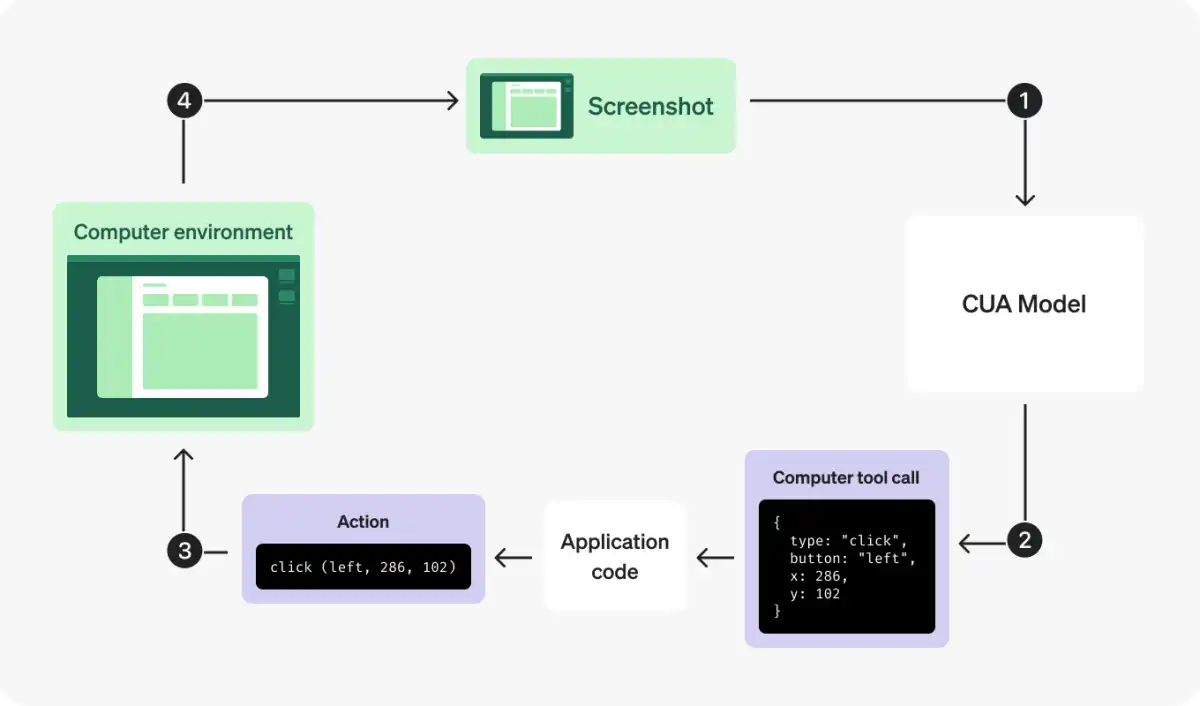
OpenAI has introduced a new computer environment to its Responses API, allowing agents to interact with files, shells, and states within the same runtime. This development marks a significant shift in how AI models can perform tasks, moving from model calls to executable working environments.
What Happened
The addition of a computer environment to the Responses API enables agents to execute complex workflows, including file processing, command calls, and state continuation. According to OpenAI's documentation, this capability is designed to provide a more flexible and secure way for developers to integrate AI models into their applications.
The new computer environment uses proxy execution, which allows developers to put file processing, command calls, and state continuation into the same link in the future, rather than setting up an external sandbox. This approach provides better security, isolation, traceability, and resiliency compared to traditional methods.
Background and Context
The Responses API is a key component of OpenAI's platform, enabling developers to integrate AI models into their applications. The computer environment is designed to work seamlessly with the Responses API, allowing agents to interact with files, shells, and states within the same runtime.
GPT-5.4, the latest version of OpenAI's language model, includes new training for this kind of work. Future models will build on the same pattern, providing even more flexibility and capabilities for developers.
Why It Matters to the Industry
The introduction of a computer environment to the Responses API has significant implications for the adult industry. With this capability, agents can perform complex tasks, such as file processing and command calls, within the same runtime. This will enable more efficient and secure workflows, reducing the need for external sandboxes and improving overall performance.
As OpenAI's update officially adds the Responses API to the computer environment, companies will pay more attention to the controllable execution ability of agents in real-world tool stacks. This shift in focus from "who can adjust more tools" to "who can perform tasks stably in a controlled environment" will drive innovation and competition in the industry.
What Comes Next
The introduction of the computer environment to the Responses API marks the beginning of a new era for AI development. OpenAI's update provides a foundation for future innovations, enabling developers to build more complex and secure workflows.
As the industry continues to evolve, we can expect to see more companies adopting this technology and pushing the boundaries of what is possible with AI. The competition will shift from "who can adjust more tools" to "who can perform tasks stably in a controlled environment," driving innovation and growth in the adult industry.
Key Facts
- The Responses API now includes a computer environment, allowing agents to interact with files, shells, and states within the same runtime.
- GPT-5.4 includes new training for this kind of work, providing more flexibility and capabilities for developers.
- Future models will build on the same pattern, enabling even more complex tasks and workflows.
- The computer environment uses proxy execution, providing better security, isolation, traceability, and resiliency compared to traditional methods.
- OpenAI's update officially adds the Responses API to the computer environment, marking a significant shift in focus for the industry.