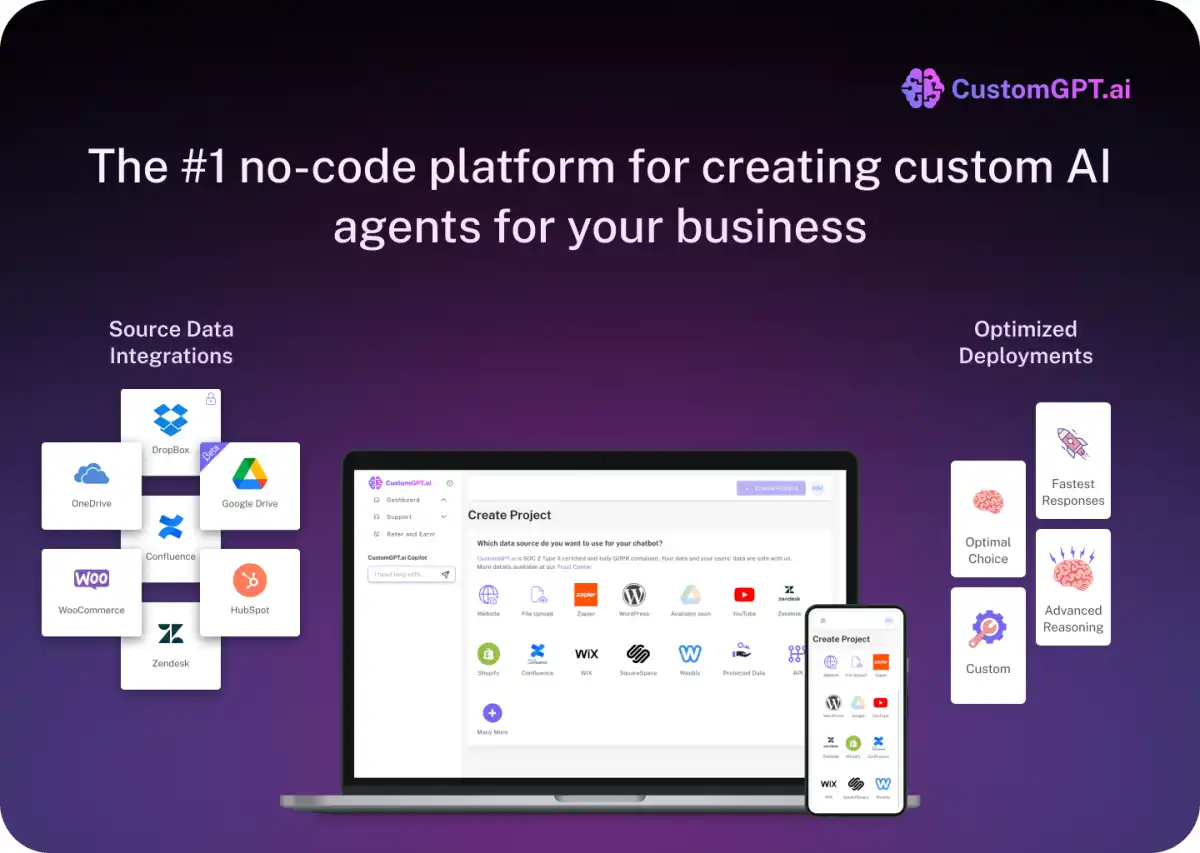
The technology behind artificial intelligence has taken another significant leap forward with the emergence of custom GPTs (Generative Pre-trained Transformers). These models, which can be tailored to specific domains or contexts, have been made available through OpenAI's ChatGPT platform. Custom GPTs differ from standard chats through ChatGPT due to their custom instructions and ability to keep a knowledge base in addition to what ChatGPT has already been trained on.
According to the MIT Sloan Teaching & Learning Technologies, custom GPTs are helpful artificial intelligence tools that can be used for specific tasks. They start with a base model that has been pre-trained on a vast array of general data and then receive custom instructions that allow them to behave in more directed ways than standard ChatGPT chats.
What Happened
OpenAI, the creator of ChatGPT, has released a new feature that allows users to refine and customize their own language models. This feature is known as custom GPTs, and it enables users to create models that are tailored to specific tasks or domains. Custom GPTs can be used for a wide range of applications, including programming, document editing, and image generation.
The process of creating a custom GPT requires no code, and instead involves using specific prompts and your own data to provide insights into a particular field. This makes it easier for users to create models that are tailored to their specific needs, without requiring extensive technical expertise.
Background and Context
Large language models (LLMs) have already revolutionized many aspects of our society, including profound impacts on teaching and learning. These models come pre-trained to be able to execute a broad array of tasks by generating text output to interact with users, and have many general capabilities. However, many of these models lack specific domain knowledge, or are not easily tuned to the specific needs of certain classes of problems.
OpenAI has addressed this problem by allowing customizability through custom GPTs with no code needed. This means that users can create models that are tailored to their specific needs, without requiring extensive technical expertise. Custom GPTs start with a base model that has been pre-trained on a vast array of general data and then receive custom instructions that allow them to behave in more directed ways than standard ChatGPT chats.
Why it Matters to the Industry
The emergence of custom GPTs presents an opportunity for exploring new educational methodologies at MIT Sloan. This guide aims to explain custom GPTs, their construction, differences from standard models, and potential applications in MBA education. Custom GPTs can be used for a wide range of applications, including programming, document editing, and image generation.
The use cases for custom GPTs are endless, and they have the potential to revolutionize many aspects of our society. They can be used for specific tasks, such as answering questions or generating text output, and can be tailored to specific domains or contexts. This makes them a valuable tool for industries that require high levels of customization and specificity.
What Comes Next
The future of custom GPTs is bright, with many potential applications in various industries. They have the potential to revolutionize many aspects of our society, including education, healthcare, and finance. Custom GPTs can be used for specific tasks, such as answering questions or generating text output, and can be tailored to specific domains or contexts.
OpenAI has made custom GPTs available through its ChatGPT platform, and users can create models that are tailored to their specific needs without requiring extensive technical expertise. This makes it easier for users to create models that are tailored to their specific needs, without requiring extensive technical expertise.
Key Facts
- Custom GPTs are helpful artificial intelligence tools that can be used for specific tasks.
- They start with a base model that has been pre-trained on a vast array of general data and then receive custom instructions that allow them to behave in more directed ways than standard ChatGPT chats.
- Custom GPTs require no code, and instead involve using specific prompts and your own data to provide insights into a particular field.
- The process of creating a custom GPT is streamlined and can be completed in just three steps: connecting data, customizing the model, and deploying it.
- Custom GPTs have many potential applications, including programming, document editing, and image generation.
With the emergence of custom GPTs, the possibilities for artificial intelligence are endless. These models have the potential to revolutionize many aspects of our society, and can be used for specific tasks or tailored to specific domains or contexts. As OpenAI continues to develop and refine its technology, it will be exciting to see how custom GPTs are used in various industries.