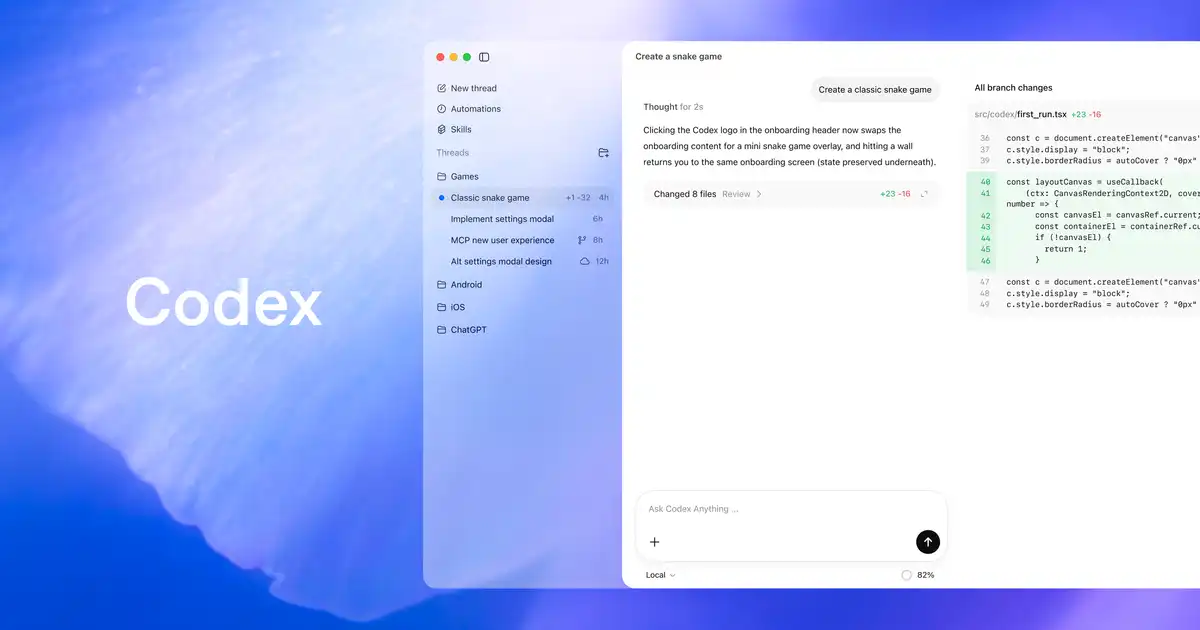
Codex, an AI-powered coding agent developed by OpenAI, has reached general availability on Amazon Bedrock, a platform for building and running AI applications at production scale. This milestone marks a significant step forward in the development of large language models, enabling users to deploy them in production environments with ease. The integration of Codex on Amazon Bedrock also brings pay-per-token pricing, making it more accessible to developers.
What Happened
Codex has undergone several updates and releases in recent weeks, with the latest maintenance release (0.142.4) shipping without any user-facing changes. However, a previous update (0.142.3) introduced a maintenance-only patch with no user-facing changes since 0.142.2. Another notable development is the general availability of Codex Remote, which allows users to start or continue work on connected Mac or Windows hosts from the ChatGPT mobile app.
Codex Remote has also introduced authenticated QR pairing between each iOS or Android device and each host, ensuring secure connections. Additionally, a new DigitalOcean plugin has been added, enabling Codex to provision a DigitalOcean Droplet, configure SSH access, and connect it to the Codex App as a remote workspace.
Background and Context
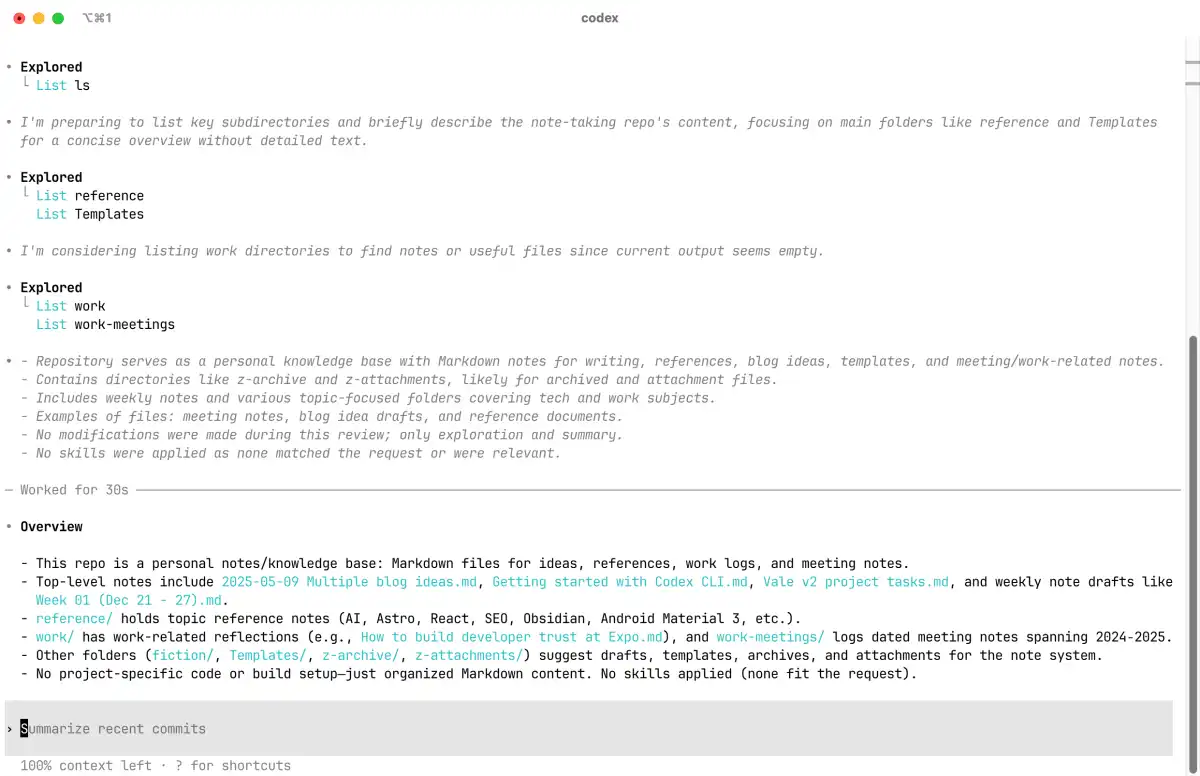
Codex is an AI-powered coding agent developed by OpenAI, designed to assist with software development tasks such as writing code, debugging, and generating documentation. The model has been trained on a vast amount of text data, enabling it to understand complex programming concepts and provide accurate solutions.
Amazon Bedrock is a platform that allows developers to build and run AI applications at production scale. It provides a high-performance inference engine, automated capacity management, and governance controls such as IAM permissions, VPC isolation, and KMS encryption. The integration of Codex on Amazon Bedrock brings pay-per-token pricing, making it more accessible to developers.
Why It Matters to the Industry
The general availability of Codex on Amazon Bedrock has significant implications for the adult industry. Large language models like Codex can be used to automate tasks such as content moderation, age verification, and chatbot development. The pay-per-token pricing model also makes it more accessible to developers, enabling them to deploy these models in production environments with ease.
Furthermore, the integration of Codex on Amazon Bedrock brings high-performance inference engine capabilities, automated capacity management, and governance controls. These features ensure that AI applications run smoothly and securely, even under heavy load. The ability to capture full state durably and continuously also ensures that requests pick back up where they left off in case of hardware failure or node restarts.
What Comes Next
The general availability of Codex on Amazon Bedrock marks a significant step forward in the development of large language models. As developers begin to deploy these models in production environments, we can expect to see new use cases and applications emerge. The integration of Codex on Amazon Bedrock also brings pay-per-token pricing, making it more accessible to developers.
As the adult industry continues to adopt AI-powered solutions, we can expect to see increased adoption of large language models like Codex. These models have the potential to automate tasks such as content moderation, age verification, and chatbot development, freeing up resources for more strategic initiatives.
Key Facts
- Codex has reached general availability on Amazon Bedrock.
- The integration of Codex on Amazon Bedrock brings pay-per-token pricing.
- Codex Remote is now generally available, allowing users to start or continue work on connected Mac or Windows hosts from the ChatGPT mobile app.
- A new DigitalOcean plugin has been added, enabling Codex to provision a DigitalOcean Droplet and configure SSH access.
- Authenticated QR pairing between each iOS or Android device and each host ensures secure connections.
- Codex is an AI-powered coding agent developed by OpenAI, designed to assist with software development tasks such as writing code, debugging, and generating documentation.