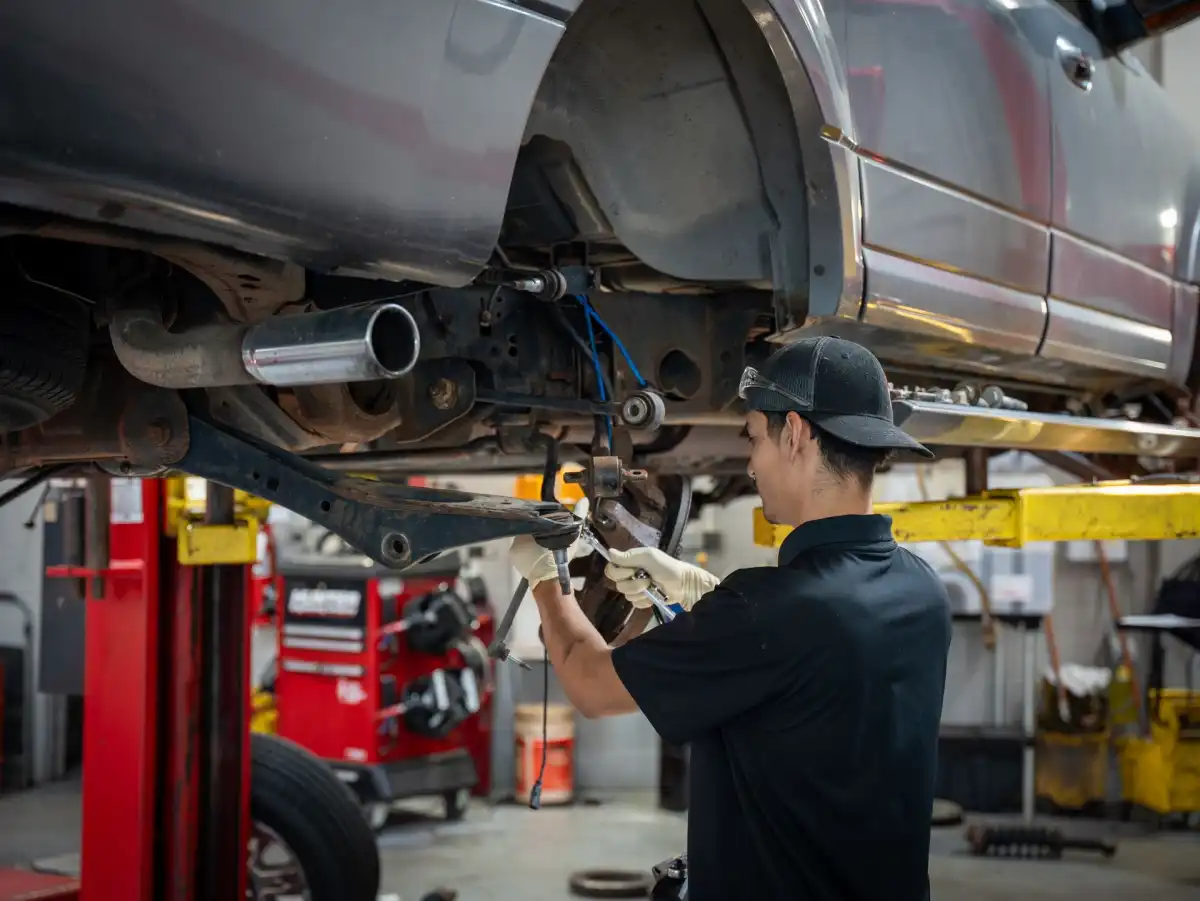
The automotive industry has been slow to adopt digital technologies, but artificial intelligence (AI) is now transforming the way cars are serviced and repaired. According to a recent report by Persistence Market Research, the global auto repair software market is projected to grow from $3.4 billion in 2026 to $8.6 billion by 2033, a 14.2% compound annual growth rate (CAGR). This growth is driven by the increasing adoption of AI-powered tools and platforms that are streamlining workflows, improving efficiency, and reducing costs for auto repair shops.
Background and Context
The automotive industry has been slow to adopt digital technologies, with many independent auto repair shops still relying on manual processes and paper-based systems. However, the increasing demand for efficient and cost-effective services is driving the adoption of AI-powered tools and platforms. According to a report by McKinsey, manufacturers using AI for predictive maintenance reduced downtime by 20% in 2024.
AI is being used in various ways in the automotive industry, including predictive maintenance, smart factory automation, and supply chain optimization. For example, AI algorithms can analyze production data in real-time to identify potential bottlenecks or failures, allowing for real-time adjustments to be made to optimize manufacturing processes. Additionally, AI-powered quality control systems can monitor the production process and quickly identify potential issues.
Why it Matters to the Industry
The adoption of AI-powered tools and platforms in the automotive industry has significant implications for auto repair shops and manufacturers. By streamlining workflows and improving efficiency, these technologies can help reduce costs and improve customer satisfaction. Additionally, AI-powered predictive maintenance can help reduce downtime and improve overall equipment effectiveness (OEE).
For adult-industry platform operators, the adoption of AI-powered tools and platforms in the automotive industry offers several lessons and opportunities for innovation. For example, the use of AI-powered chatbots to manage customer inquiries and scheduling can be applied to adult-industry platforms, improving customer satisfaction and reducing operational costs.
What Comes Next
The adoption of AI-powered tools and platforms in the automotive industry is expected to continue growing in the coming years. According to a report by Persistence Market Research, the global auto repair software market is projected to reach $8.6 billion by 2033. This growth will be driven by the increasing demand for efficient and cost-effective services, as well as the continued adoption of AI-powered tools and platforms.
As the automotive industry continues to adopt digital technologies, it is likely that adult-industry platform operators will also explore the use of AI-powered tools and platforms to improve customer satisfaction, reduce operational costs, and increase revenue. By staying ahead of the curve and adopting innovative technologies, adult-industry platform operators can remain competitive in a rapidly changing market.
Key Facts
- The global auto repair software market is projected to grow from $3.4 billion in 2026 to $8.6 billion by 2033, a 14.2% CAGR.
- A report by McKinsey found that manufacturers using AI for predictive maintenance reduced downtime by 20% in 2024.
- AI algorithms can analyze production data in real-time to identify potential bottlenecks or failures.
- AI-powered quality control systems can monitor the production process and quickly identify potential issues.
- The global automotive artificial intelligence (AI) market size is expected to reach USD 48.59 billion by 2034.
By understanding the trends and innovations in the automotive industry, adult-industry platform operators can stay ahead of the curve and adopt innovative technologies to improve customer satisfaction, reduce operational costs, and increase revenue.