The technology behind search engines has undergone significant changes in recent years, shifting from a focus on exact-match keywords to understanding meaning and intent. This evolution, known as semantic search, has transformed how websites are ranked and how SEO strategies are developed.
What Happened
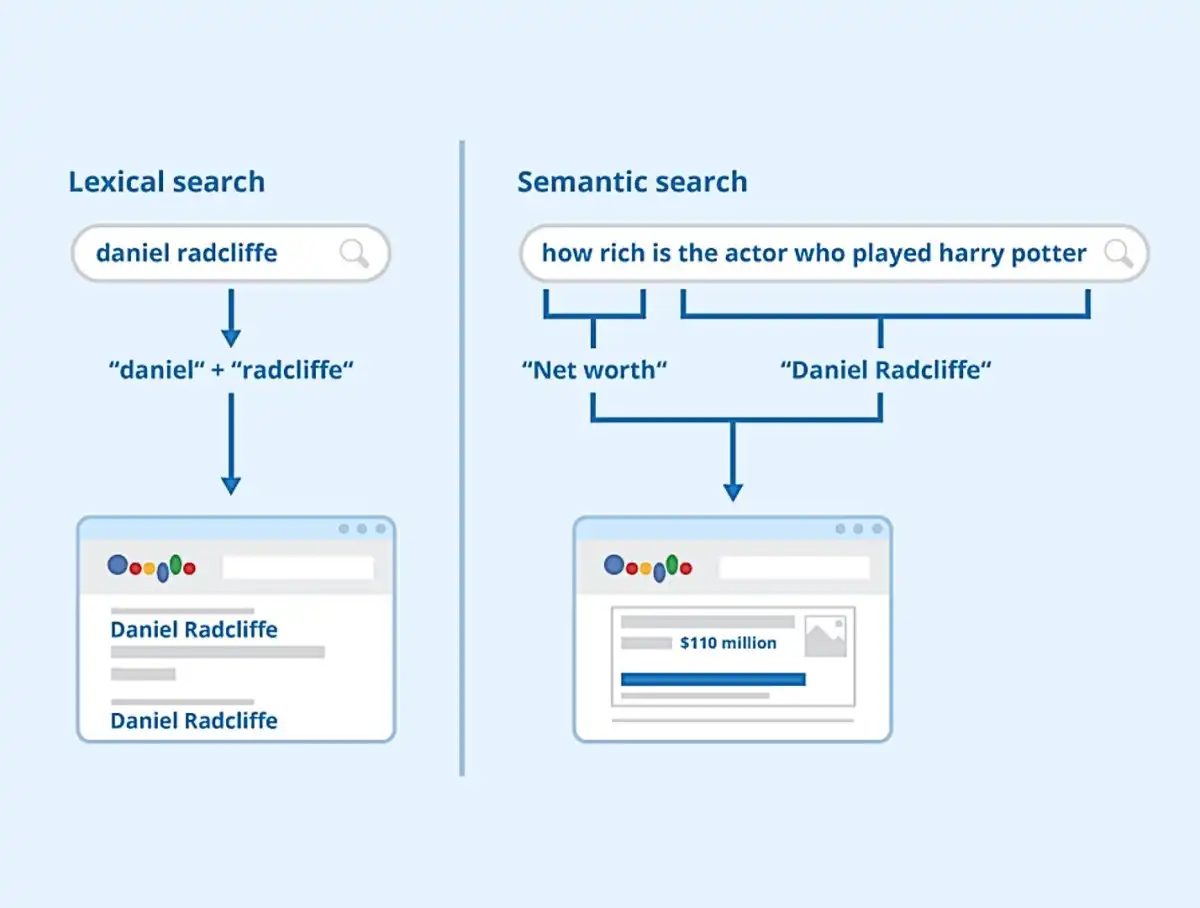
Semantic search refers to the process of how search engines understand and match keywords to a searcher's intent in organic search results. Before semantic search, search engines like Google operated like matchmakers—aligning specific words in your query with those exact words on webpages. The results were straightforward but often lacked depth.
Semantic search brought a fundamental shift in how search engines process and respond to user queries. They now understand natural human language, allowing them to deliver more meaningful results. For example, if you search for "pizza near me" at 11 p.m., the search engine will prioritize those that are open late or offer night delivery.
Background and Context
The evolution of Google's algorithm over the years has allowed the search engine to understand semantics better. From the Knowledge Graph to RankBrain, key technological advances have enabled Google to interpret language more like humans do. The Knowledge Graph is a vast database with a network of over 500 billion facts about 5 billion entities (people, places, and things) and how they're connected.
When you type a query word into Google, you're not just entering a sequence of words. You tap into a complex web of meanings and connections. Google's Knowledge Graph sees these words as entities with context and relationships. This allows the search engine to provide quick, accurate answers to search queries about real-world subjects.
Why It Matters to the Industry
Semantic search has transformed how websites are ranked and how SEO strategies are developed. Instead of focusing solely on the words typed into the search bar, semantic search analyzes how those words relate to each other, the context in which they're used, and what the user is really trying to find.
This evolution was driven by major algorithm updates like Google's Hummingbird, RankBrain, and BERT. These updates have taught search engines to interpret language more like humans do, allowing them to understand synonyms, natural language questions, and even vague or conversational phrases.
What Comes Next
The future of semantic SEO is closely tied to the development of AI-powered search. With the rise of large language models (LLMs) and answer engines, semantic SEO has become a crucial strategy for businesses and marketers. By optimizing content for meaning, context, and intent, companies can improve their visibility in search results and deliver more valuable content to readers.
Key Facts
- Semantic search refers to the process of how search engines understand and match keywords to a searcher's intent in organic search results.
- The Knowledge Graph is a vast database with over 500 billion facts about 5 billion entities (people, places, and things) and how they're connected.
- Google's algorithm has evolved to interpret language more like humans do, allowing it to understand synonyms, natural language questions, and even vague or conversational phrases.
- Semantic SEO is the strategy of creating content for topics instead of just keywords.
- The future of semantic SEO is closely tied to the development of AI-powered search and large language models (LLMs).