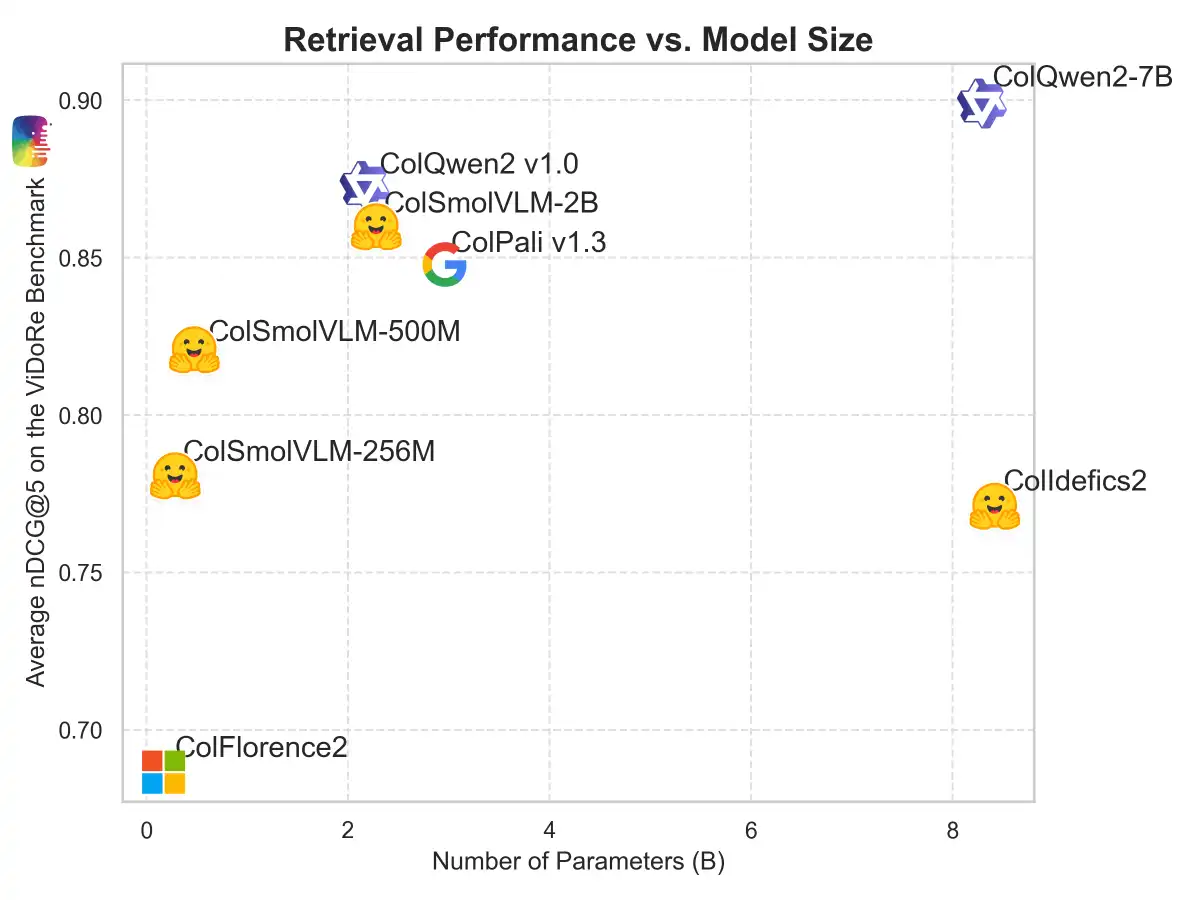
Hugging Face has released two new visual language models (VLMs), SmolVLM-256M and SmolVLM-500M, which are designed to be ultra-lightweight and run on laptops with less than 1GB of memory. The smaller model, SmolVLM-256M, boasts 256 million parameters, making it the world's smallest VLM, while its larger sibling, SmolVLM-500M, has 500 million parameters and outperforms a variety of tasks despite being smaller than the previous 2B model.
Background and Context
The development of these new models is part of Hugging Face's ongoing effort to push the boundaries of what is possible with AI. The company has been working on reducing the size of its models while maintaining their performance, and SmolVLM-256M and SmolVLM-500M are the latest results of this research. According to the developers, these new models are designed to be more efficient and easier to use than previous versions, making them ideal for applications where resources are limited.
The development process involved experimenting with different architectures and techniques to find a balance between performance and size. The team compared SigLIP 400M SO (used in SmolVLM 2B and other large-scale VLMs) against a smaller SigLIP base patch-16/512, and found that the smaller encoder offered surprisingly close performance, making it a better choice for these new models.
Why It Matters to the Industry
The release of SmolVLM-256M and SmolVLM-500M is significant for several reasons. Firstly, these models are designed to be ultra-lightweight, making them ideal for applications where resources are limited, such as on consumer laptops or even browser-based inference. This could open up new possibilities for the use of AI in various industries, including the adult industry.
Secondly, the performance of these models is impressive, with SmolVLM-256M outperforming Idefics 80B in some tasks, such as OCRBench and TextVQA. This suggests that smaller models can be just as effective as larger ones, which could have significant implications for the development of AI applications.
Finally, the release of these new models is part of a broader trend towards more efficient and easier-to-use AI models. As the industry continues to evolve, it's likely that we'll see more emphasis on developing models that are both powerful and lightweight, making them ideal for a wide range of applications.
What Comes Next
Hugging Face is already working with IBM to develop a model for Docking, and early experimental results using the 256M model have shown impressive results. The company also plans to continue developing smaller models that are just as effective as their larger counterparts, which could have significant implications for the industry.
Additionally, the release of SmolVLM-256M and SmolVLM-500M has sparked interest in the development community, with many researchers and developers already experimenting with these new models. As the community continues to explore the possibilities of these new models, we can expect to see even more innovative applications of AI in various industries.
Key Facts
- SmolVLM-256M: The world's smallest VLM with 256 million parameters.
- SmolVLM-500M: A half-billion-parameter model that outperforms a variety of tasks despite being smaller than the previous 2B model.
- Ultra-lightweight: Designed to run on laptops with less than 1GB of memory.
- Performance: SmolVLM-256M outperforms Idefics 80B in some tasks, such as OCRBench and TextVQA.
- Efficient: Designed to be more efficient than previous models while maintaining performance.
Hugging Face's release of SmolVLM-256M and SmolVLM-500M is a significant step forward in the development of AI, offering ultra-lightweight models that are just as effective as their larger counterparts. As the industry continues to evolve, we can expect to see even more innovative applications of AI in various industries.