The adult industry's reliance on search engine optimization (SEO) has reached a critical juncture as AI-powered search technologies continue to disrupt traditional SEO practices. According to recent reports, the role of SEO is evolving from a tactical, technical function to a strategic business leadership position driven by C-suite demand and AI innovation.
As the industry grapples with this shift, SEO professionals are being tasked with adopting a long-term, business-oriented mindset that aligns search strategies with revenue and brand goals. This requires a fundamental transformation from executing tactical tasks to driving organizational growth and market share.
The Changing Role of SEO
For years, SEO was viewed as a technical, task-focused role aimed at improving search engine rankings and generating traffic. However, the impact of AI on search has elevated SEO to a strategic business function that directly influences revenue, market share, and overall business strategy.
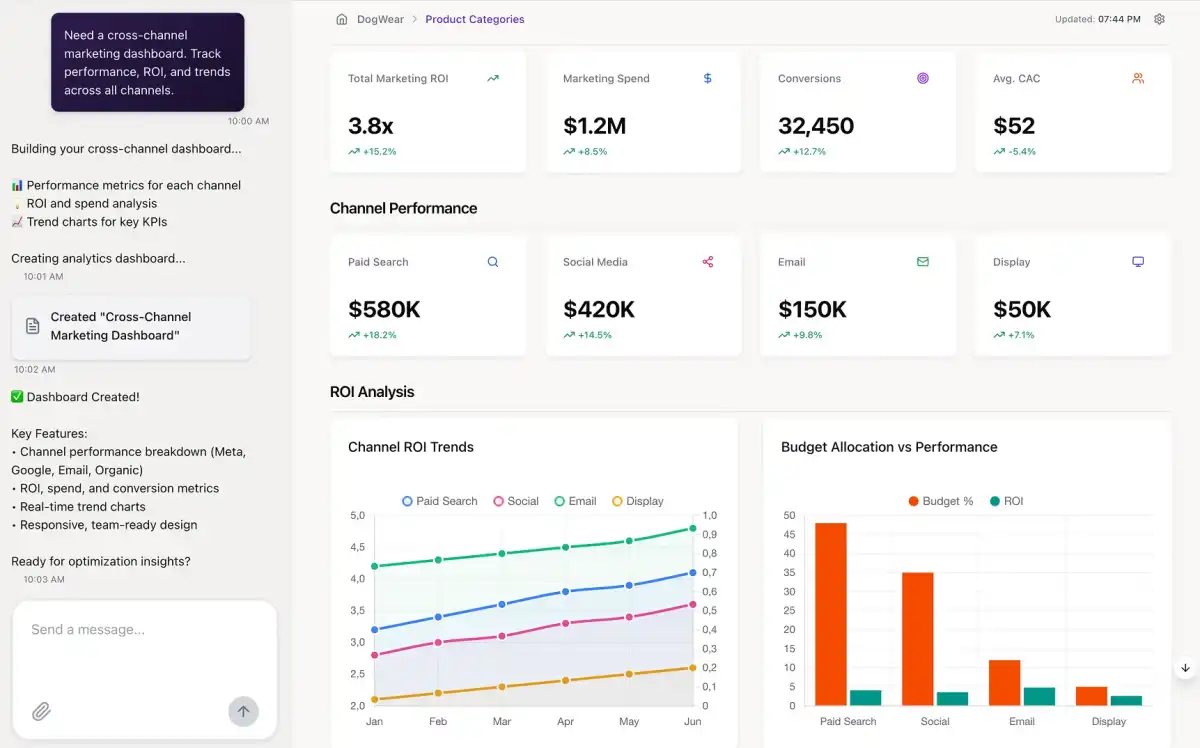
This shift is driven by the increasing importance of metrics like Traffic Value, which measures the dollar equivalent of organic traffic if acquired through paid search. By understanding Traffic Value, SEO professionals can connect their efforts directly to financial outcomes, making a compelling case for the importance of SEO at the executive level.
From Execution to Strategic Leadership
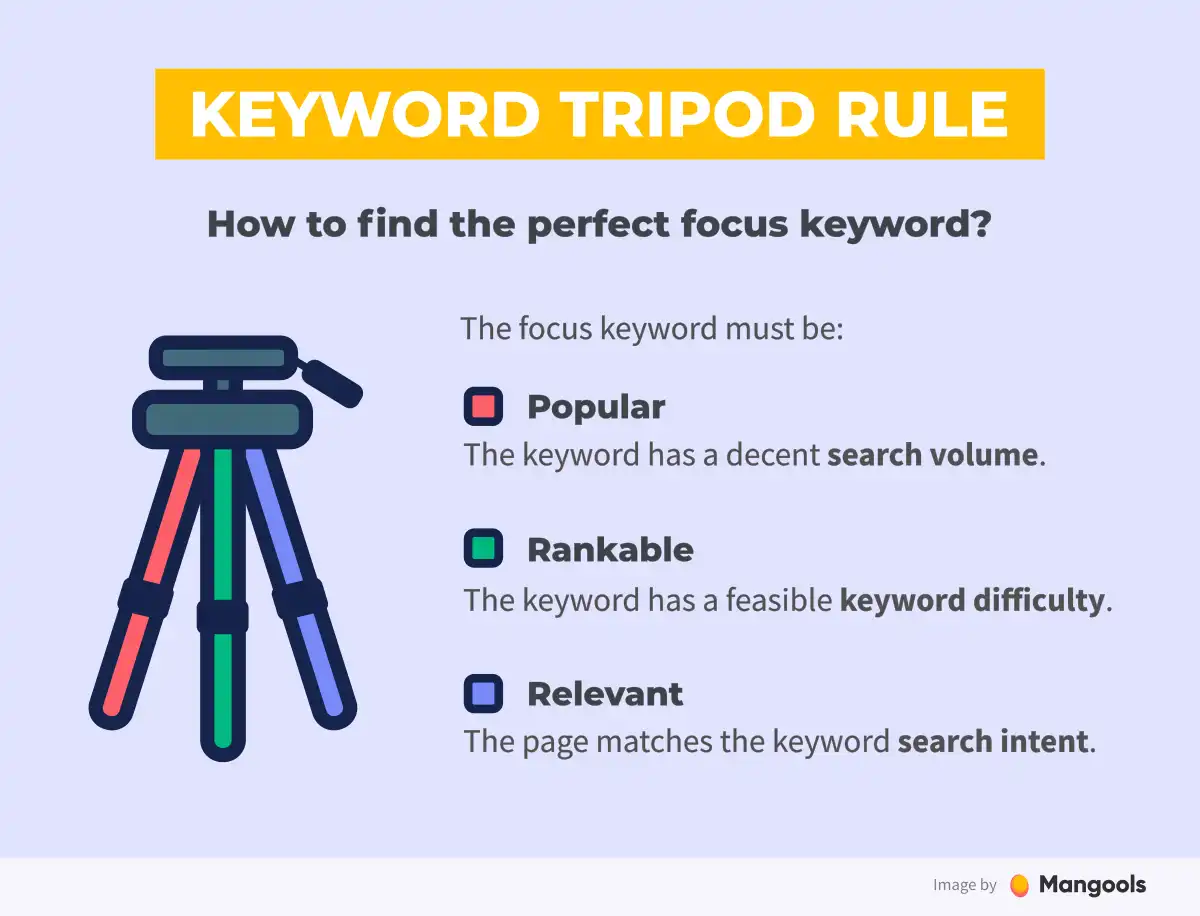
The traditional SEO role focused on immediate tasks like keyword targeting, technical audits, and content production. Success was measured by rankings and traffic, with communication limited to SEO teams. However, this approach is no longer sufficient as AI-powered search technologies continue to evolve.
SEO leadership involves not just executing strategies but also influencing decisions that shape the future of the organization. By positioning themselves as SEO leaders, professionals can align search strategies with overarching business goals and advocate for resources and strategies that directly impact growth.
Key Leadership Modes for SEO Professionals
As SEO professionals transition to leadership roles, they must adopt a range of skills and competencies. Four key modes of strategic SEO leadership have emerged: operational, business, visionary, and people and team leadership.
- Operational Leadership: Manages and delegates SEO tasks, improves workflows, and prioritizes issues based on business impact.
- Business Leadership: Connects SEO performance to revenue and market share, translating technical metrics into business value.
- Visionary Leadership: Thinks long-term about search trends, AI's future impact, and sustainable brand positioning beyond quick wins.
- People and Team Leadership: Collaborates with cross-functional teams to drive organization-wide SEO awareness and decision-making.
What Comes Next?
The industry is at a critical juncture, and the window for transformation is real. AI has made search a boardroom conversation, and organizations are looking for strategic leaders to take them to the next level. By adopting a long-term, business-oriented mindset and developing key leadership skills, SEO professionals can secure high-paying, influential roles guiding organizations through the changing search landscape.
Key Facts
- The role of SEO is evolving from a tactical, technical function to a strategic business leadership position driven by C-suite demand and AI innovation.
- Ai-powered search technologies are disrupting traditional SEO practices, requiring professionals to adopt a long-term, business-oriented mindset.
- SEO leaders must align search strategies with overarching business goals and advocate for resources and strategies that directly impact growth.
- The industry is at a critical juncture, and the window for transformation is real.
- Ai has made search a boardroom conversation, and organizations are looking for strategic leaders to take them to the next level.