The rise of AI-powered search engines has fundamentally broken traditional SEO by enabling clickless search experiences that drastically reduce website traffic.
What Happened
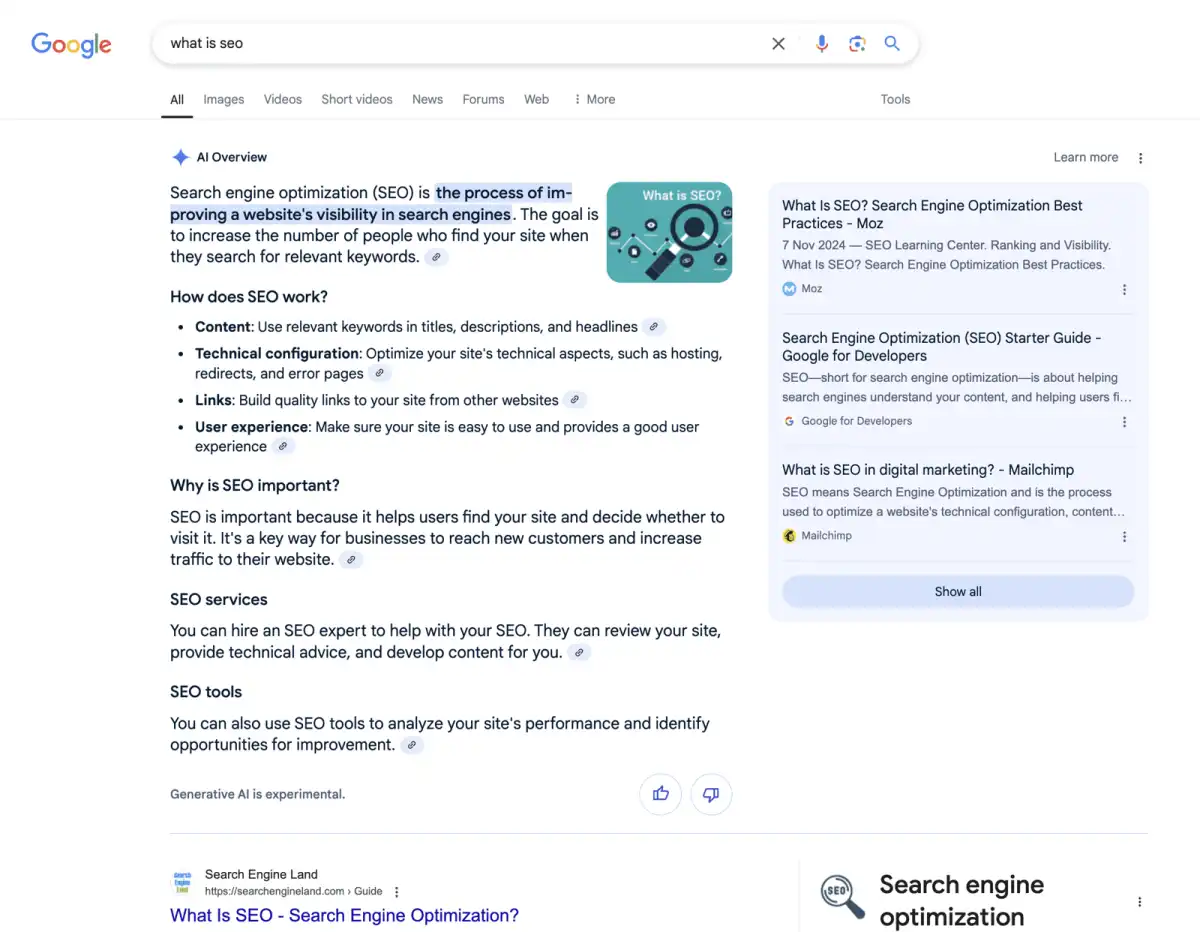
A recent study by Ahrefs found that AI Overviews, introduced by Google in May 2024, have reduced clicks to top-ranking pages by 34.5% since their global rollout in March 2025. This shift towards zero-click search has significant implications for the adult industry, where website traffic and engagement are crucial for revenue generation.
According to a report by Optimixed, AI Overviews use Gemini 2.0 as their under-the-hood engine, which enables them to provide direct answers to user queries without requiring multiple clicks on websites. This has led to a steep drop in organic traffic, especially for informational queries. The study also found that international traffic is increasingly captured by AI platforms through automatic translations hosted on search engines' domains.
Background and Context
The integration of AI answer engines like ChatGPT, Bing Copilot, and Google AI Overviews has transformed user behavior and forced marketers to adapt their strategies. The five stages of grief model, popularized by Elisabeth Kübler-Ross, can be applied to the AI transformation journey in SEO. These stages include denial, anger, bargaining, depression, and acceptance.
According to a LinkedIn article by Andy Forbes, individuals and organizations experience each stage differently as AI-driven search engines diminish clicks and destabilize rankings. Denial is characterized by a lack of urgency despite clear signals of industry-wide disruption, while anger and fear arise from feelings of betrayal, undervalued, or expendable.
Why It Matters to the Industry
The shift towards AI-driven search engines has significant implications for the adult industry. With traditional SEO strategies no longer effective, website owners must adapt their approaches to manage brand mentions across multiple platforms and optimize for AI-generated fanout queries. This requires a fundamental understanding of how AI works and how it interacts with user behavior.
A report by Opace Agency highlights that AI is not just a threat but also an opportunity for businesses to evolve and adapt. The agency notes that the future of SEO will be shaped by AI, and website owners must be proactive in embracing this change. By understanding the five stages of grief model and adapting their strategies accordingly, adult industry professionals can stay ahead of the curve.
What Comes Next
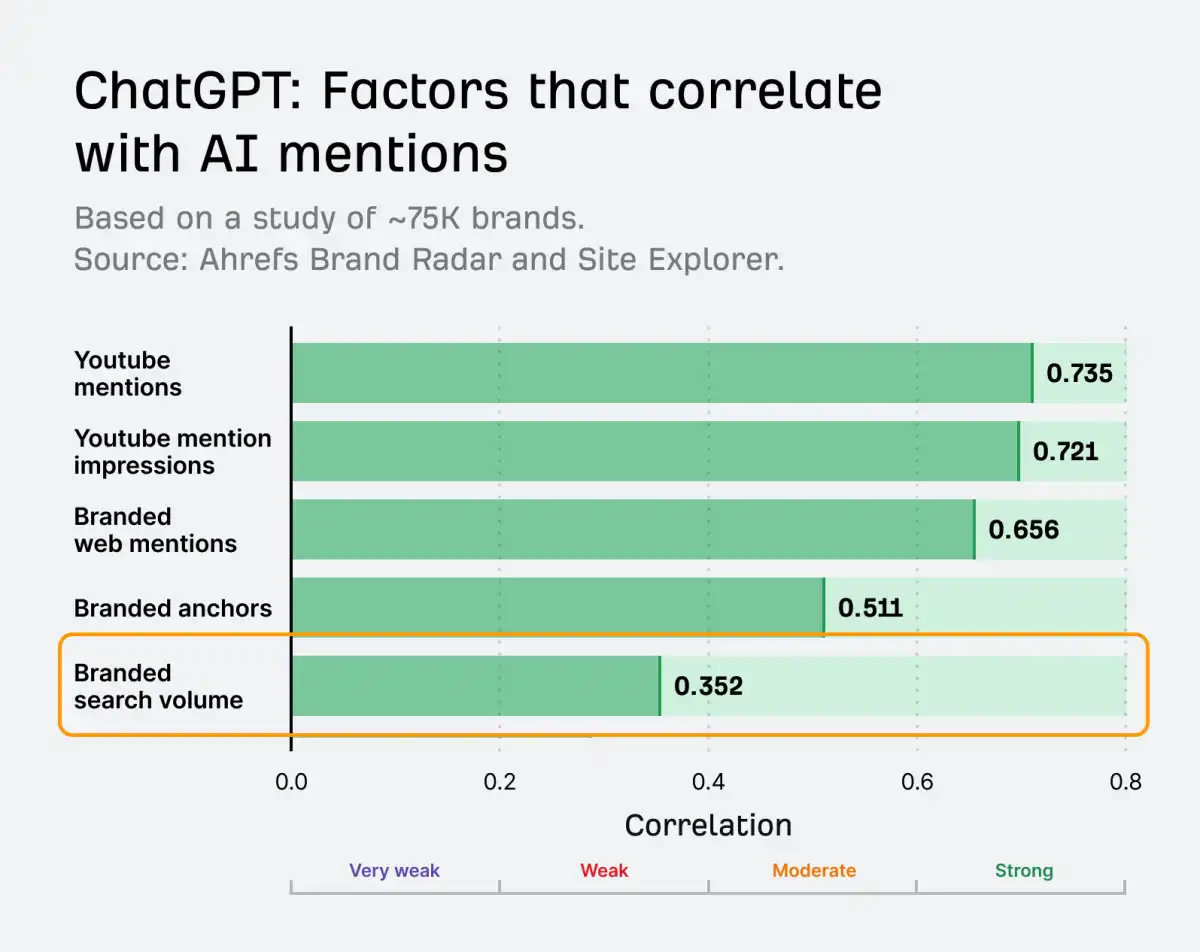
To thrive in the new AI-driven search landscape, adult industry professionals must focus on building brand authority across multiple platforms. This includes actively monitoring and growing brand mentions on third-party sites, YouTube, Reddit, podcasts, and more. By doing so, website owners can become the preferred AI citation in their niche.
Ahrefs' Brand Radar tool provides a comprehensive solution for tracking aggregate AI visibility metrics, including fanout queries and AI Share of Voice (SOV). By leveraging these tools, adult industry professionals can gain a deeper understanding of how AI interacts with user behavior and adapt their strategies accordingly.
Key Facts
- Ahrefs' study found that AI Overviews have reduced clicks to top-ranking pages by 34.5% since their global rollout in March 2025.
- Google's AI Overviews use Gemini 2.0 as their under-the-hood engine, enabling direct answers to user queries without requiring multiple clicks on websites.
- AI platforms capture international traffic through automatic translations hosted on search engines' domains.
- The five stages of grief model can be applied to the AI transformation journey in SEO.
- Adult industry professionals must adapt their strategies to manage brand mentions across multiple platforms and optimize for AI-generated fanout queries.
In conclusion, the rise of AI-powered search engines has fundamentally broken traditional SEO. Adult industry professionals must adapt their strategies to thrive in this new landscape, focusing on building brand authority across multiple platforms and leveraging tools like Ahrefs' Brand Radar to track aggregate AI visibility metrics.