A new study from Ahrefs has shed light on the effectiveness of schema markup in boosting AI citations, a crucial aspect of search engine optimization (SEO) for adult industry platforms and operators. The research found that adding JSON-LD schema to already AI-cited web pages does not significantly increase citations by AI systems like Google AI Mode or ChatGPT.
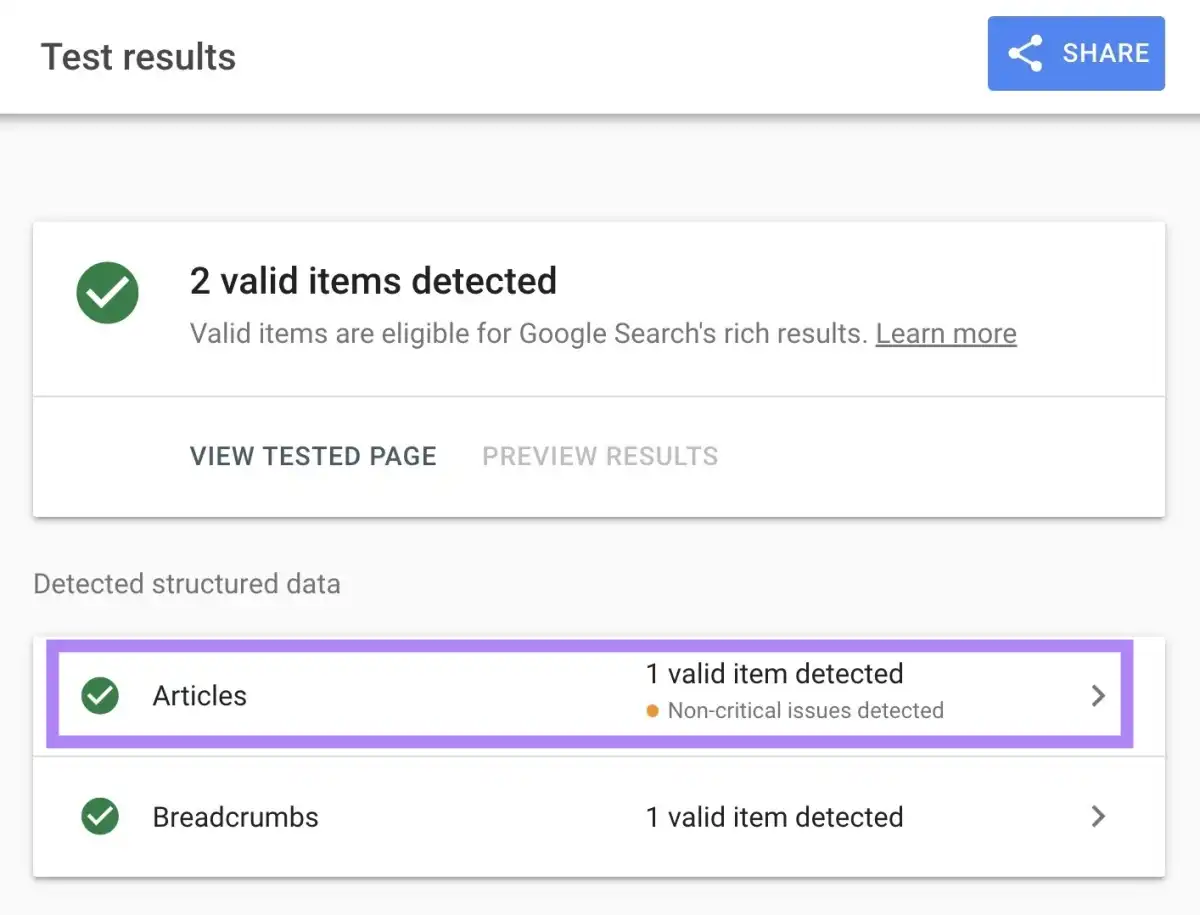
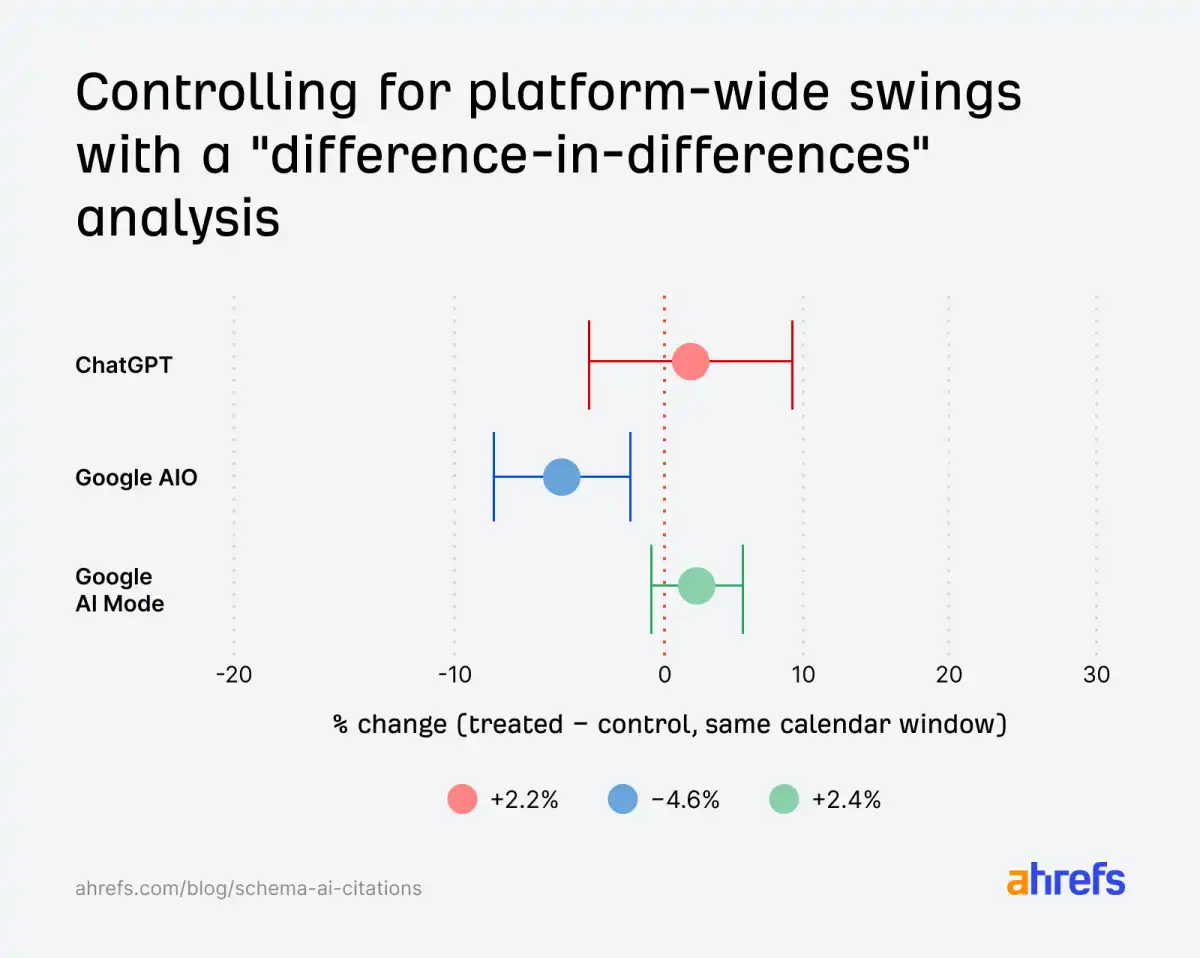
The study tracked 1,885 web pages that added JSON-LD schema between August 2025 and March 2026, matched them against 4,000 control pages, and measured citation changes across Google AI Overviews, AI Mode, and ChatGPT. The results showed no statistically significant finding that schema made a difference in citations.
Background and Context
Sigma markup is a type of structured data used to provide search engines with additional information about a webpage's content. It has been widely adopted by websites across various industries, including the adult industry, as a way to improve visibility and ranking on search engine results pages (SERPs). However, the effectiveness of schema in boosting AI citations had not been extensively studied until now.
The Ahrefs study analyzed 6 million URLs and found that pages cited by AI were roughly three times more likely to include JSON-LD. This gap has been seen as evidence that schema improves AI visibility. However, the study tested whether this held true when isolated from other signals, since sites with schema tend to invest in better content and earn more links.
Why It Matters to the Industry
The findings of the Ahrefs study have significant implications for adult industry platforms and operators. Many adult websites rely on search engine traffic to drive revenue, and AI citations are a key factor in determining visibility on SERPs. If schema markup does not significantly increase AI citations, it may be necessary for website owners to focus on other SEO strategies.
Moreover, the study's results suggest that schema markup is more of a correlated rather than causative factor in AI citation frequency. This means that websites with strong content, authority, and technical SEO are more likely to attract AI citations, regardless of whether they use schema markup or not.
What Comes Next
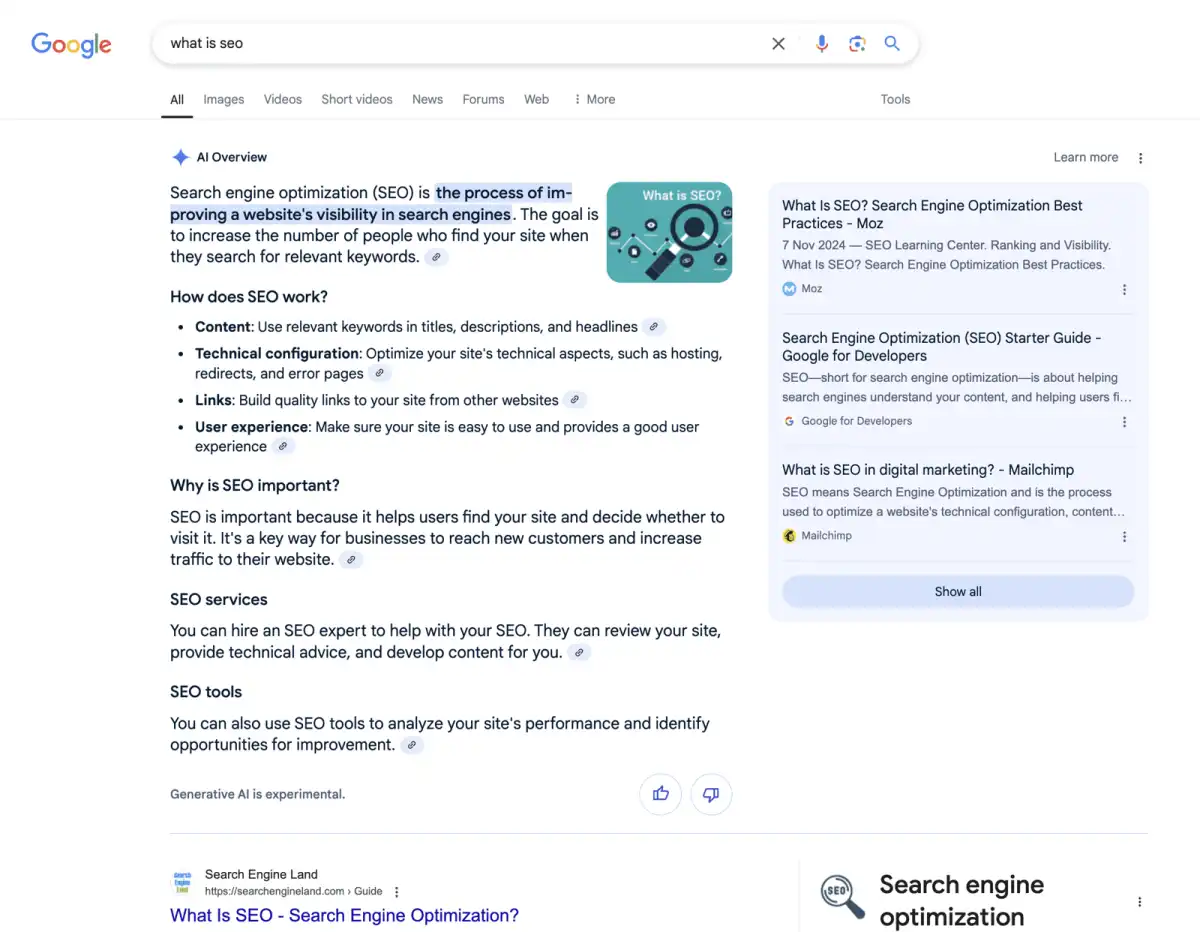
The Ahrefs study also highlights the importance of understanding how AI systems process and utilize schema data. Experimental evidence shows that major AI systems do not currently parse or use JSON-LD schema data during real-time content retrieval, relying instead on visible HTML content.
This finding has significant implications for adult industry platforms and operators, who may need to adapt their SEO strategies to focus on other areas of optimization. Furthermore, the study's limitations highlight the need for further research in this area, particularly with regards to the impact of schema markup on AI citations for pages not yet visible to AI systems.
Key Facts
- The Ahrefs study tracked 1,885 web pages that added JSON-LD schema between August 2025 and March 2026.
- No statistically significant finding was found that schema made a difference in citations on Google AI Mode or ChatGPT.
- A small but statistically significant decline of 4.6% occurred in AI Overview citations post-schema addition.
- Sigma markup is more common on well-optimized sites that naturally attract AI citations due to strong content, authority, and technical SEO.
- Major AI systems do not currently parse or use JSON-LD schema data during real-time content retrieval.
The Ahrefs study provides valuable insights into the effectiveness of schema markup in boosting AI citations. While the findings may be disappointing for some website owners, they highlight the importance of understanding how AI systems process and utilize schema data. As the adult industry continues to evolve, it is essential for platforms and operators to adapt their SEO strategies to focus on other areas of optimization.