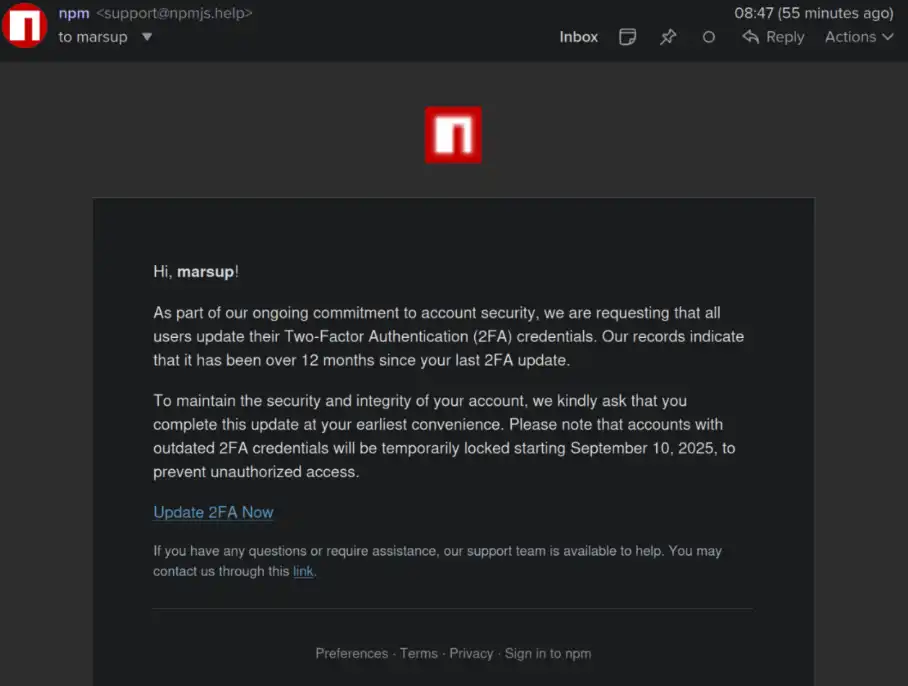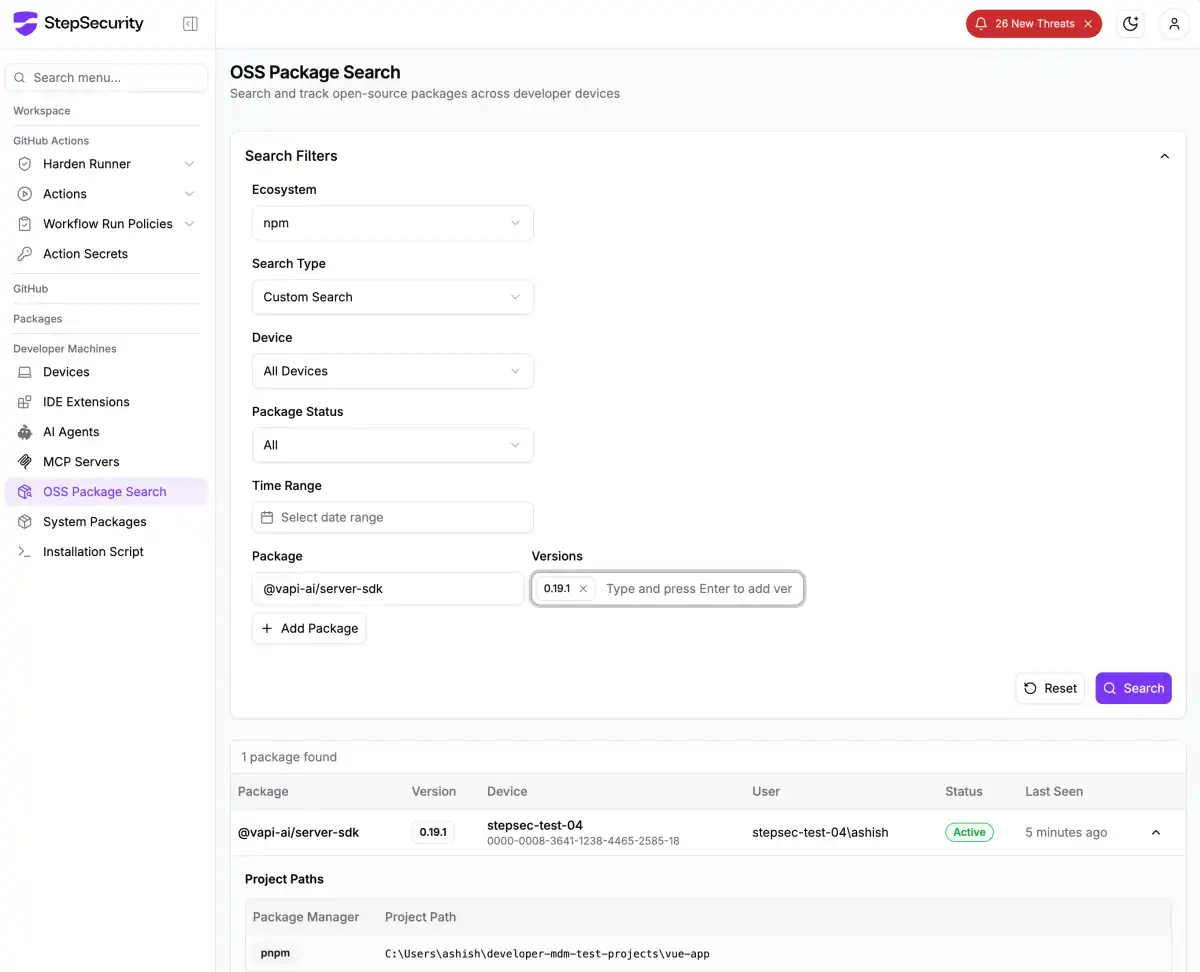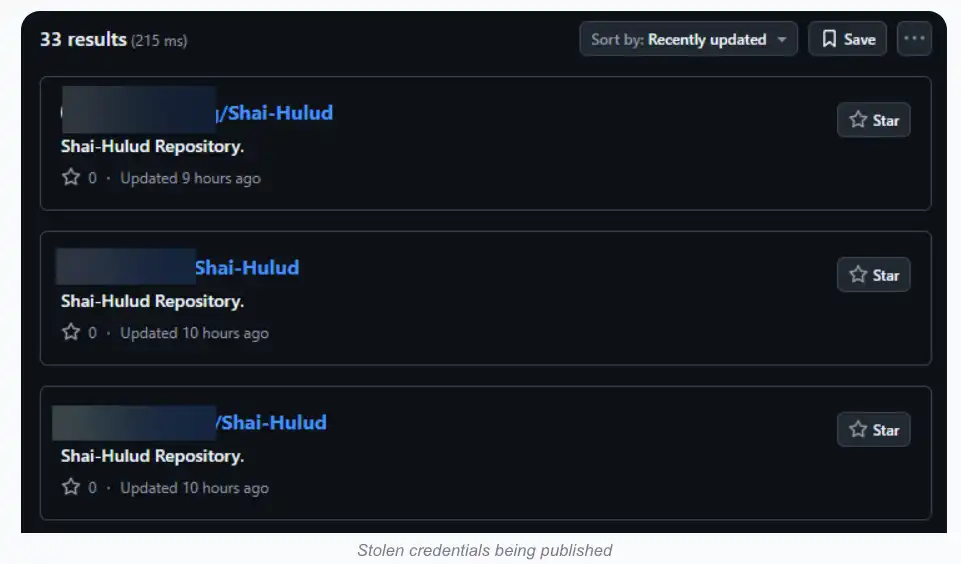
The recent spate of security breaches and malware attacks targeting developers' workstations has left the tech industry reeling. In a series of coordinated campaigns, threat actors have exploited vulnerabilities in popular development tools such as npm packages, Visual Studio Code extensions, and GitHub repositories to gain unauthorized access to sensitive data.
What Happened
The first reported incident occurred on May 20, 2026, when GitHub confirmed that attackers had gained unauthorized access to its internal source code repositories after a poisoned Visual Studio Code extension compromised an employee endpoint. The company assessed with current confidence that roughly 3,800 GitHub-internal repositories were exfiltrated.
Further investigation revealed that the malicious extension, nrwl.angular-console v18.95.0 (Nx Console), was published to the VS Code Marketplace on May 18 and carried approximately 2.2 million installations. The extension was live for only 11 minutes before the Nx team detected the rogue publish and pulled it at 12:47 UTC.
However, this was not an isolated incident. In June 2026, JFrog Security Researchers discovered two hijacked npm packages, html-to-gutenberg version 4.2.11 and fetch-page-assets version 1.2.9, that used the same unusual execution technique to deploy a credential/crypto stealer.
Background and Context
The use of npm lifecycle scripts and VS Code tasks has become increasingly popular in recent years due to their ability to automate complex development workflows. However, this trust model assumes that packages and repositories are benign, which threat actors have exploited to deploy malware and compromise sensitive data.
According to OpenSourceMalware, the campaigns they've been tracking have increasingly taken advantage of these features, using compromised packages and hijacked maintainer accounts to inject malicious configuration files. When the trust is violated, "executes automatically without prompting" stops being a feature, allowing attackers to deploy malware undetected.
The recent breaches highlight the importance of secure development practices and the need for developers to be vigilant when using third-party tools and libraries. As Aikido Intel noted in their blog post, "Official no longer means safe to install immediately." The community is getting better at catching these attacks, but the attack model accounts for that, requiring only minutes, not days, to compromise sensitive data.
Why it Matters to the Industry
The recent breaches have significant implications for the adult industry, which relies heavily on development tools and libraries to create and distribute content. The use of npm packages and VS Code extensions is widespread in the industry, making it a prime target for threat actors.
The compromise of sensitive data can have severe consequences, including financial loss, reputational damage, and regulatory non-compliance. In addition, the use of malware and compromised tools can lead to unauthorized access to sensitive systems and data, putting the entire ecosystem at risk.
What Comes Next
The recent breaches highlight the need for developers to adopt secure development practices and be vigilant when using third-party tools and libraries. This includes regularly updating dependencies, monitoring package usage, and implementing robust security measures to detect and prevent malware attacks.
Aikido Intel's Device Protection on-device agent is one solution that combines real-time malware blocking and minimum age blocking to prevent attacks like Nx Console. By default, any package or extension published within the last 48 hours is blocked before it can be installed, providing an additional layer of security for developers.
Key Facts
- The recent breaches involved compromised npm packages, Visual Studio Code extensions, and GitHub repositories.
- Roughly 3,800 GitHub-internal repositories were exfiltrated after a poisoned VS Code extension compromised an employee endpoint.
- The malicious extension, nrwl.angular-console v18.95.0 (Nx Console), was published to the VS Code Marketplace on May 18 and carried approximately 2.2 million installations.
- Two hijacked npm packages, html-to-gutenberg version 4.2.11 and fetch-page-assets version 1.2.9, were used to deploy a credential/crypto stealer.
- Aikido Intel's Device Protection on-device agent combines real-time malware blocking and minimum age blocking to prevent attacks like Nx Console.