OpenAI has announced significant updates to its life-sciences reasoning model, GPT-Rosalind, which combines the agentic coding and tool-use capabilities of GPT-5.5 with stronger domain knowledge in core drug-discovery areas. The updated model shows broad gains on research tasks set by biology experts, complex medicinal chemistry queries, quantitative biology, and wet lab troubleshooting. This development has important implications for life-sciences research at enterprise scale.
What Happened
On June 3, 2026, OpenAI shipped a major update to GPT-Rosalind, its life-sciences reasoning model, folding in GPT-5.5's agentic coding and tool use alongside deeper intelligence in medicinal chemistry and genomics. The updated model beats GPT-5.5 across medicinal chemistry, genomics, and wet-lab tasks – while spending fewer tokens to get there – and it's now in research preview for eligible organizations worldwide.
The update also includes the launch of Rosalind Biodefense, an initiative for defensive applications of AI in the life sciences. OpenAI will sponsor access for vetted developers and extend access to select U.S. government and allied public-health partners for missions such as early-warning systems, outbreak-response planning, diagnostics, preparedness, and medical-countermeasure development.
Background and Context
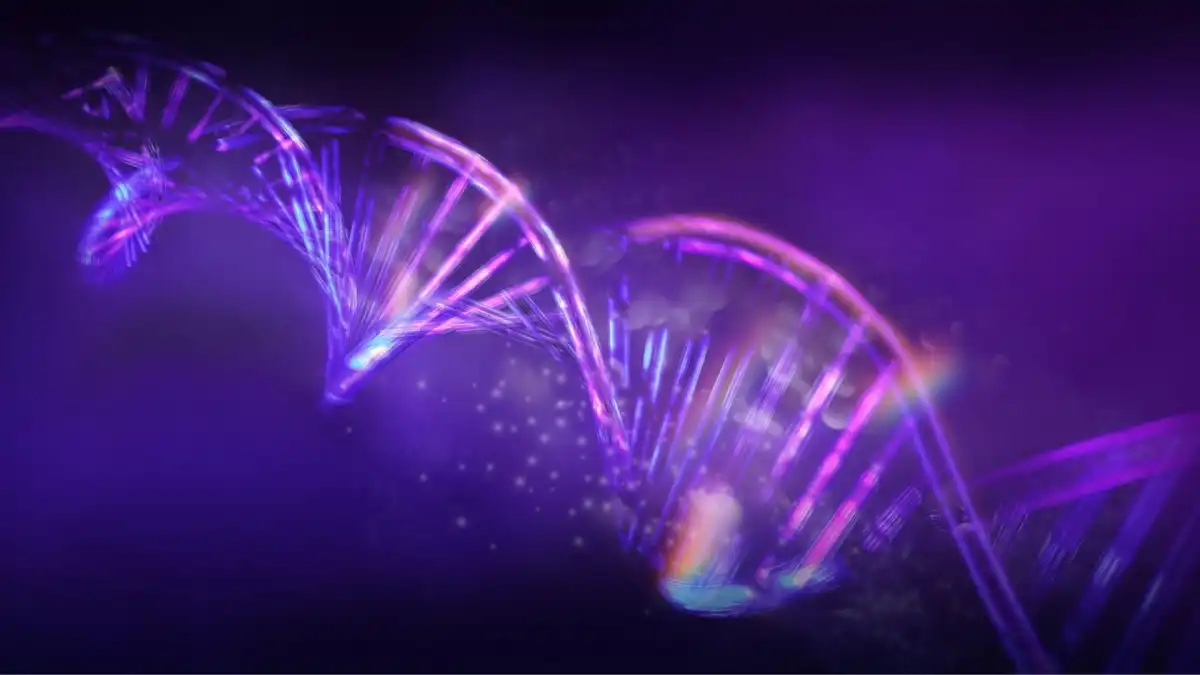
GPT-Rosalind is OpenAI's first purpose-built life-sciences model, made for biology, drug discovery, and translational medicine. The model targets research tasks across biology, medicinal chemistry, genomics, and laboratory workflows, rather than general-purpose chat. It is named after Rosalind Franklin, whose research helped reveal the structure of DNA.
The positioning is narrow on purpose: this is a model for people doing literature review, sequence-to-function interpretation, experimental planning, and data analysis – not a chatbot for everyone. The model stays in research preview under a trusted-access program, and the raw scores are a reminder that this is acceleration for expert scientists, not autonomous drug design.
Why It Matters to the Industry
The update has significant implications for life-sciences research at enterprise scale. The combination of GPT-5.5's agentic coding and tool-use abilities with stronger domain knowledge in core drug-discovery areas can shorten work on tasks such as evidence reconciliation, assay design, and early-stage countermeasure ideation.
For practitioners, higher-fidelity, domain-aware models like GPT-Rosalind can improve accuracy on research tasks while reducing the cost and latency of long research workflows. This is particularly important for data-heavy research pipelines in life sciences, where efficiency gains can have a significant impact on productivity and outcomes.
What Comes Next
The rollout of Rosalind Biodefense and the expansion of trusted access to GPT-Rosalind are paired with layered safeguards, including bio-specific capability assessments, red-teaming, and tighter security controls for higher-risk capabilities. This suggests that OpenAI is taking a cautious approach to deploying its life-sciences model in sensitive areas.
As the industry continues to evolve, it will be interesting to see how models like GPT-Rosalind are adopted and integrated into research workflows. Will they accelerate breakthroughs in life sciences, or raise new concerns about dual-use risks?
Key Facts
- GPT-Rosalind is OpenAI's first purpose-built life-sciences model.
- The updated model combines GPT-5.5's agentic coding and tool-use abilities with stronger domain knowledge in core drug-discovery areas.
- The model shows broad gains on research tasks set by biology experts, complex medicinal chemistry queries, quantitative biology, and wet lab troubleshooting.
- GPT-Rosalind uses 31% fewer tokens than GPT-5.5 while improving accuracy on the evaluated research tasks.
- Rosalind Biodefense is an initiative for defensive applications of AI in the life sciences.