OpenAI has rolled out industry-leading age prediction tools to better protect ChatGPT users under 18, marking a significant step towards ensuring teen safety in AI interactions. The move comes as part of OpenAI's commitment to making child and teen safety fundamental to its operations.
What Happened
The new age prediction tools use an array of signals, including account history, usage patterns, and user-provided information, to estimate whether an account belongs to someone under 18. If the system determines that a user is likely a minor, ChatGPT will automatically apply additional protections to reduce exposure to sensitive content.
The types of content that may be restricted include graphic violence or gory content, viral challenges that could encourage risky behavior in minors, sexual or violent role play, depictions of self-harm, and content promoting extreme beauty standards or unhealthy dieting. Users who are incorrectly identified as minors will have a simple way to confirm their age and restore full access.
The rollout builds on previous steps taken by OpenAI to prioritize teen safety, including clear under-18 model behavior principles, stronger parental controls, and safeguards around sensitive content.
Background and Context
A related article on Hacker News highlights the risks associated with age prediction tools, warning users not to provide biometric data or photos of identification documents to companies. The author suggests that such practices can lead to identity theft and unwelcome invoices or bank account activity.
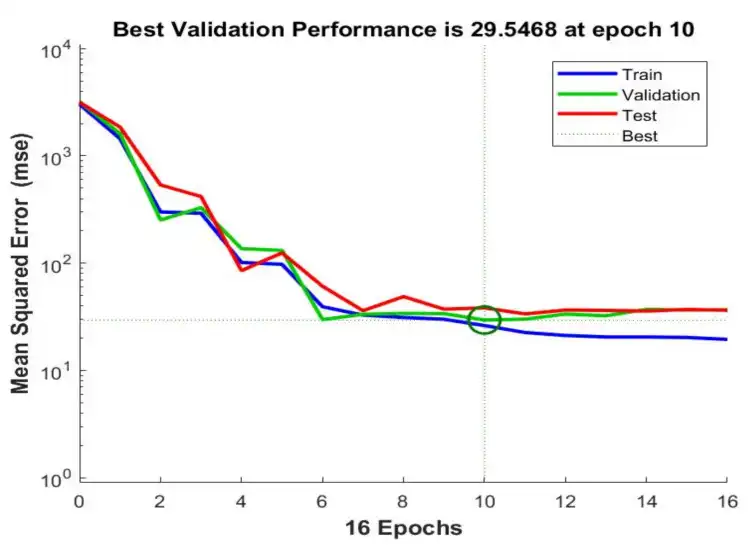
The importance of robust age verification is underscored by a study published in Healthcare (Basel), which presents a deep learning approach to predicting chronological age. The research demonstrates the potential for AI-powered age prediction tools, but also highlights the need for careful consideration of data privacy and security.
Why It Matters to the Industry
The OpenAI rollout and related discussions on Hacker News underscore the growing importance of robust age verification in online interactions. For adult-industry platforms and operators, this development has significant implications for moderation, age-gating, and fraud prevention.
As AI-powered tools become increasingly prevalent, the need for reliable age prediction methods will only continue to grow. Industry stakeholders must carefully consider how to balance user safety with data privacy and security concerns.
What Comes Next
The OpenAI rollout marks a significant step towards ensuring teen safety in AI interactions, but it is unlikely to be the last word on age prediction tools. As the industry continues to evolve, we can expect to see further innovations and challenges related to age verification and data security.
Key Facts
- OpenAI has rolled out industry-leading age prediction tools to better protect ChatGPT users under 18.
- The new tools use an array of signals, including account history and user-provided information, to estimate whether an account belongs to someone under 18.
- If a user is likely a minor, ChatGPT will automatically apply additional protections to reduce exposure to sensitive content.
- Users who are incorrectly identified as minors can confirm their age and restore full access.
- The rollout builds on previous steps taken by OpenAI to prioritize teen safety.
- A related article on Hacker News highlights the risks associated with age prediction tools, warning users not to provide biometric data or photos of identification documents.