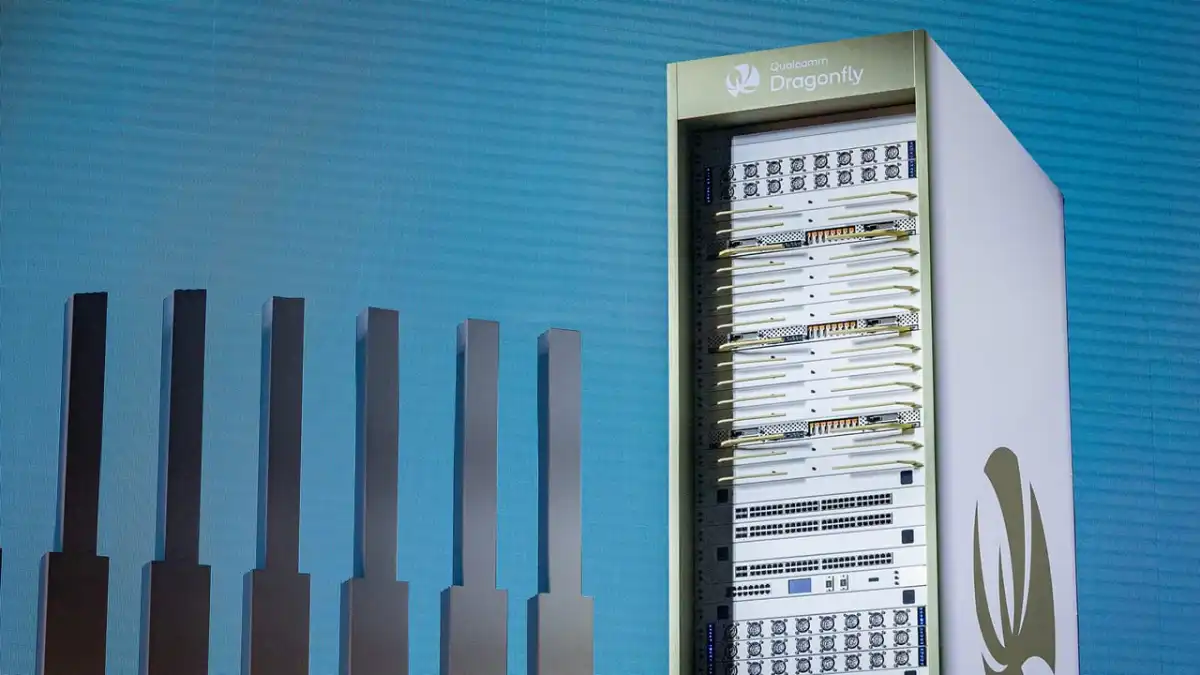
OpenAI and Foxconn have partnered to develop data center infrastructure for AI workloads, marking a significant step towards reindustrializing America's tech sector. The collaboration aims to design and manufacture advanced components for artificial intelligence data centers in the US, with a focus on accelerating infrastructure rollout and securing long-term American manufacturing capacity.
What Happened
The partnership between OpenAI and Foxconn was announced on November 21, 2025, with the goal of optimizing data center design and manufacturing. The two companies will work together to develop multiple generations of AI data center racks, improving rack architecture for more efficient manufacturing across the US. Foxconn has agreed to manufacture key data center components, including cabling, networking, cooling, and power systems, in the US.
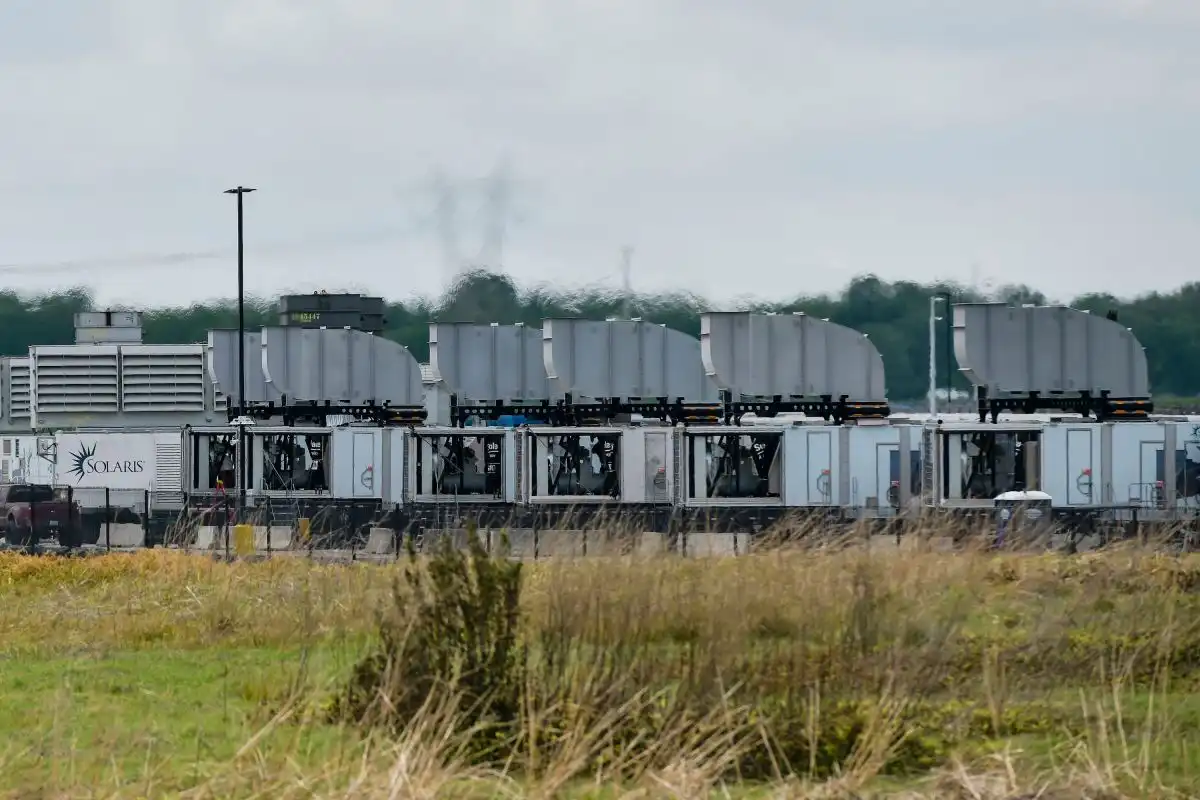
As part of the agreement, OpenAI will have early access to evaluate these systems and an option to purchase them. This partnership builds on existing collaborations between the two companies, including their work on the Stargate project. Foxconn has already begun manufacturing equipment for this project at a former General Motors factory in Lordstown, Ohio.
Background and Context
The partnership is part of a broader effort to reindustrialize America's tech sector amidst concerns over Taiwan's security situation and its impact on the global supply chain. American businesses and the government have urged key Taiwanese semiconductor companies to move their manufacturing to the US, citing the need for secure and reliable infrastructure.
OpenAI CEO Sam Altman emphasized the importance of this partnership in ensuring that technologies crucial for the AI era are developed at the national level. He sees AI infrastructure as a transformative opportunity to revitalize US industry. This sentiment is echoed by Foxconn's president, Young Liu, who expressed confidence in the company's ability to contribute to the development of AI infrastructure in the US.
Why it Matters to the Industry
The partnership between OpenAI and Foxconn has significant implications for the adult industry, which relies heavily on data center infrastructure for streaming and webcam services. The collaboration aims to accelerate infrastructure rollout and secure long-term American manufacturing capacity, which could lead to improved latency, scale, and moderation capabilities.
Moreover, the development of advanced components for AI workloads will enable more efficient processing and storage of large datasets, a critical requirement for adult industry platforms. The partnership also highlights the growing importance of data center infrastructure in supporting the growth of AI-powered applications, including those used in the adult industry.
What Comes Next
The agreement grants OpenAI early access to evaluate systems produced by Foxconn, with the option to purchase them. Both companies are focused on accelerating the rollout of infrastructure while also ensuring long-term US manufacturing capacity. The partnership will develop multiple generations of AI servers simultaneously, with critical components manufactured at Foxconn's US facilities in states including Wisconsin, Ohio, Texas, Virginia, and Indiana.
Key Facts
- OpenAI and Foxconn have partnered to develop data center infrastructure for AI workloads.
- The collaboration aims to design and manufacture advanced components for artificial intelligence data centers in the US.
- Foxconn has agreed to manufacture key data center components, including cabling, networking, cooling, and power systems, in the US.
- OpenAI will have early access to evaluate these systems and an option to purchase them.
- The partnership builds on existing collaborations between the two companies, including their work on the Stargate project.
The partnership between OpenAI and Foxconn marks a significant step towards reindustrializing America's tech sector. As the adult industry continues to rely heavily on data center infrastructure for streaming and webcam services, this collaboration will have far-reaching implications for the growth and development of AI-powered applications in the industry.