Researchers at ONNX Runtime have made significant strides in accelerating inference for two fast generative text-to-image models, SD Turbo and SDXL Turbo, using their platform. The optimizations, which were introduced in the latest version of ONNX Runtime, provide performance benefits when used with these models, making them accessible in languages other than Python, such as C# and Java.
What Happened
The researchers at ONNX Runtime have been working on optimizing the inference process for SD Turbo and SDXL Turbo, two fast generative text-to-image models. These models are capable of generating viable images in as little as one step, a significant improvement over the 30+ steps often required with previous Stable Diffusion models. The optimizations were introduced in the latest version of ONNX Runtime, which provides performance benefits when used with these models.
The researchers have also made it possible to access the optimized versions of SD Turbo and SDXL Turbo on Hugging Face, making it easier for users to accelerate inference with these models. The models are generated by Olive, an easy-to-use model optimization tool that is hardware aware. To achieve best performance, fp16 VAE must be enabled through the command line.
Background and Context
SD Turbo and SDXL Turbo are two fast generative text-to-image models capable of generating viable images in as little as one step. They are distilled versions of Stable Diffusion 2.1 and SDXL 1.0, respectively. The researchers at ONNX Runtime have previously shown how to accelerate Stable Diffusion inference with their platform.
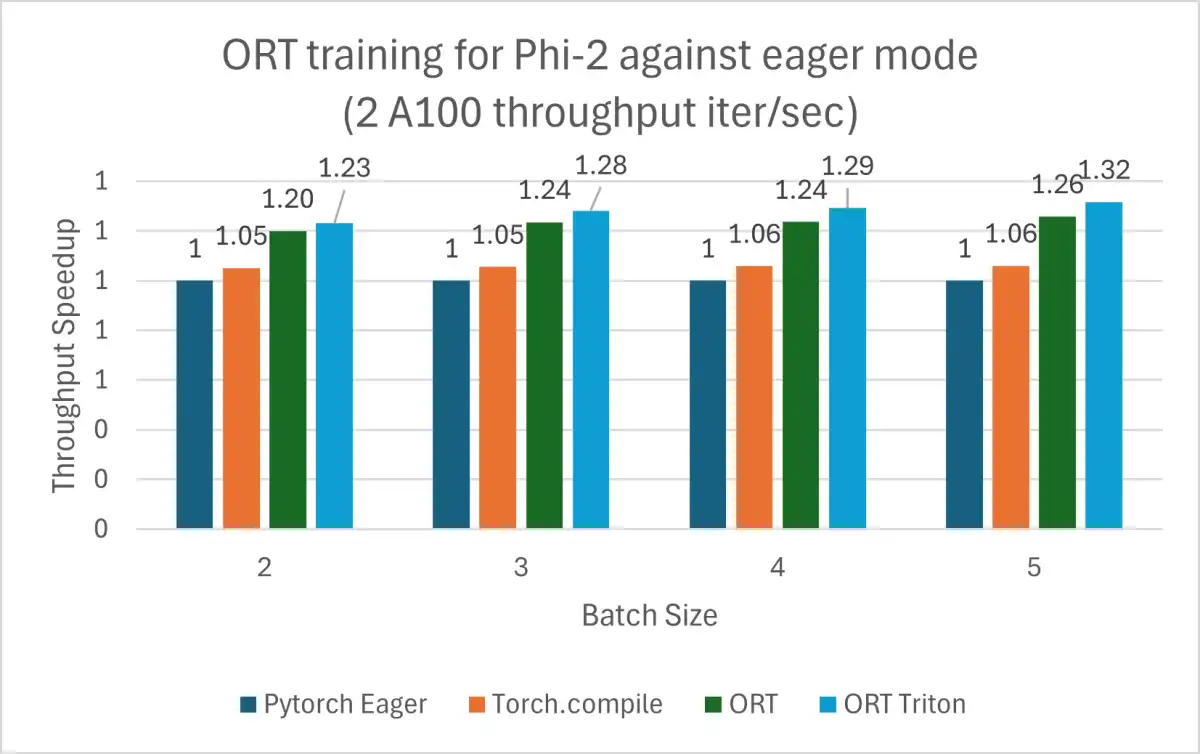
ONNX Runtime is a complete solution for small language models (SLMs) from training to inference, showing significant speedups compared to other frameworks. With support for float32, float16, and int4, ONNX Runtime's inference enhancements provide maximum flexibility and performance.
Why It Matters to the Industry
The optimizations introduced by ONNX Runtime have significant implications for the adult industry. The ability to accelerate inference for SD Turbo and SDXL Turbo models can lead to improved performance and efficiency in applications such as image generation, video processing, and content creation.
The use of ONNX Runtime's platform also makes it easier for developers to integrate these models into their applications, regardless of the programming language they are using. This can lead to increased adoption and innovation in the industry.
What Comes Next
The researchers at ONNX Runtime plan to continue improving upon their Stable Diffusion work by updating the demo to support new features such as IP Adapter and Stable Video Diffusion. ControlNet support will also be available shortly.
In addition, they are working on optimizing SD Turbo and SDXL Turbo performance with their existing Stable Diffusion web UI extension and plan to help add support for both models to a Windows UI developed by a member of the ONNX Runtime community.
Key Facts
- ONNX Runtime has optimized inference for SD Turbo and SDXL Turbo, two fast generative text-to-image models.
- The optimizations provide performance benefits when used with these models, making them accessible in languages other than Python.
- The optimized versions of SD Turbo and SDXL Turbo are available on Hugging Face.
- FP16 VAE must be enabled through the command line for best performance.
- ONNX Runtime's platform provides maximum flexibility and performance with support for float32, float16, and int4.
The researchers at ONNX Runtime have made significant strides in accelerating inference for SD Turbo and SDXL Turbo models using their platform. The optimizations introduced by ONNX Runtime provide performance benefits when used with these models, making them accessible in languages other than Python. This has significant implications for the adult industry, where improved performance and efficiency are crucial.