The Linux kernel has been plagued by a series of high-severity vulnerabilities, including a nine-year-old zero-day flaw discovered using AI-powered tools and two recent bugs that allow local users to gain root access. The flaws have significant implications for the adult industry, which relies heavily on Linux-based infrastructure.
What Happened
A vulnerability researcher at offensive security firm Theori used Xint Code, a source code analyzing tool part of Theori's AI-driven penetration testing platform, to discover a nine-year-old zero-day flaw in the Linux kernel. Dubbed 'Copy Fail', the bug was reported to the Linux kernel security team on March 23 and assigned a unique CVE identifier, CVE-2026-31431, on April 22. The vulnerability allows an unprivileged local user to trigger a deterministic, controlled four-byte write into the page cache of any readable file on the system.
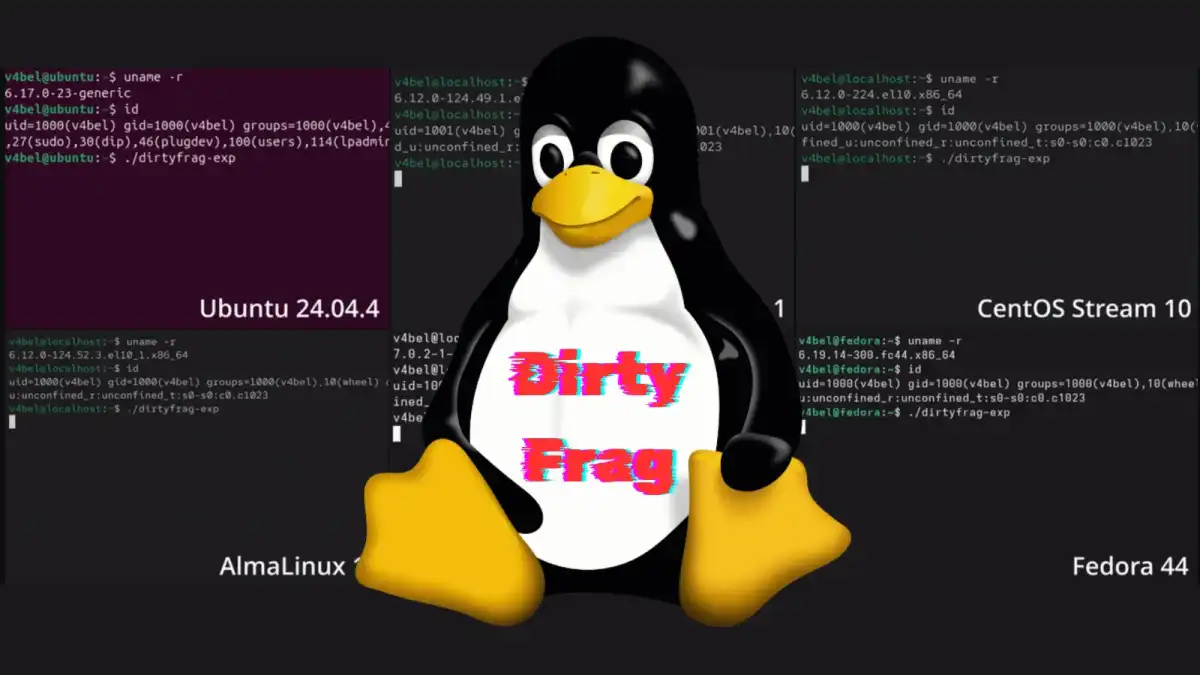
Another recent bug, tracked as CVE-2026-43503 (CVSS score of 8.8) and referred to as DirtyClone, was resolved on May 24, shortly after being reported to the Linux kernel maintainers. This local privilege escalation bug is a variant of DirtyFrag (also known as Copy Fail 2) and Fragnesia, which were addressed in mid-May.
Background and Context
The Linux kernel is widely used in the adult industry for its stability, security, and flexibility. However, the recent vulnerabilities have highlighted the importance of regular updates and patches to prevent exploitation. The use of AI-powered tools has also raised questions about the role of artificial intelligence in vulnerability discovery and reporting.
Linus Torvalds, the creator of the Linux kernel, has clarified his opinions on AI-detected security vulnerabilities in a recent mailing list post. He supports the use of AI tools but considers any AI-reported bug to be, by definition, public. Torvalds also requests that submitters of AI-generated reports verify the report is accurate and engage with fixing the issue instead of doing an unverified drive-by report.
Why it Matters to the Industry
The recent vulnerabilities have significant implications for the adult industry, which relies heavily on Linux-based infrastructure. The flaws allow local users to gain root access, posing a high risk to multi-tenant cloud environments, Kubernetes clusters, and containerized workloads.
The use of AI-powered tools has also raised questions about the role of artificial intelligence in vulnerability discovery and reporting. While AI can be a powerful tool for identifying vulnerabilities, it is not foolproof and requires human verification to ensure accuracy.
What Comes Next
The Linux kernel maintainers have released patches for the recent vulnerabilities, and most major Linux distributions now provide this fix. However, the industry must remain vigilant and continue to update and patch their systems regularly to prevent exploitation.
Key Facts
- A nine-year-old zero-day flaw in the Linux kernel was discovered using AI-powered tools.
- The vulnerability allows an unprivileged local user to trigger a deterministic, controlled four-byte write into the page cache of any readable file on the system.
- Two recent bugs, DirtyClone and DirtyFrag, allow local users to gain root access.
- The Linux kernel maintainers have released patches for the recent vulnerabilities.
- Most major Linux distributions now provide this fix.
The recent vulnerabilities in the Linux kernel highlight the importance of regular updates and patches to prevent exploitation. The use of AI-powered tools has also raised questions about the role of artificial intelligence in vulnerability discovery and reporting. As the adult industry continues to rely on Linux-based infrastructure, it must remain vigilant and continue to update and patch their systems regularly.