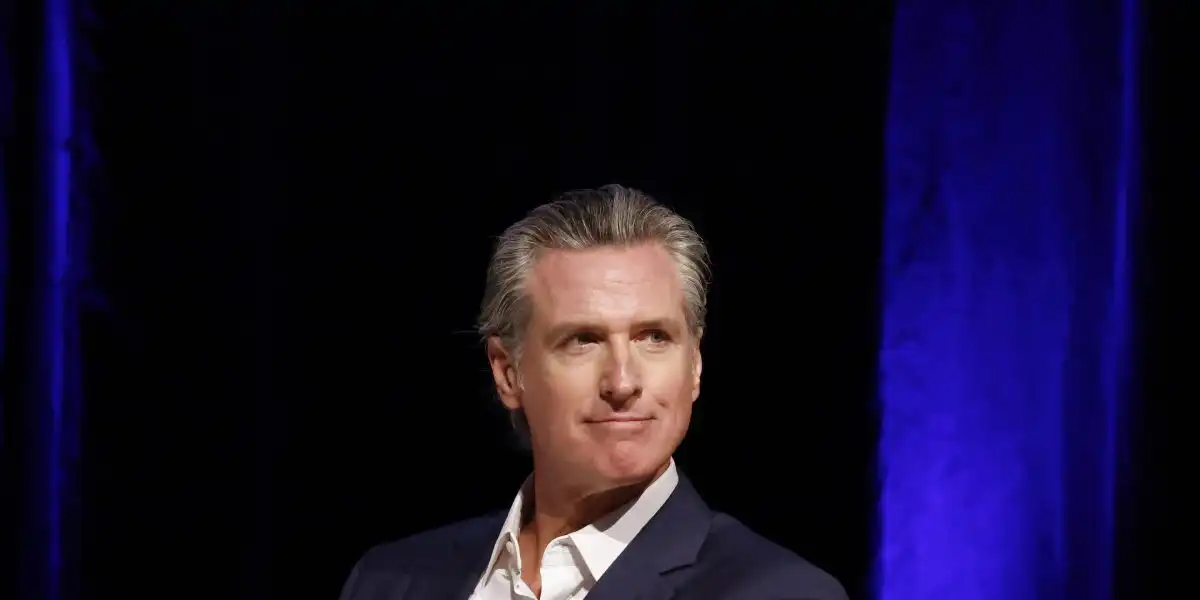
California Governor Gavin Newsom has signed landmark AI safety regulation into law, requiring major AI companies to publicly disclose how they plan to mitigate the risks posed by advanced AI models. The legislation, known as SB 53, also creates mechanisms for reporting critical safety incidents and extends whistleblower protections to AI company employees.
Background and Context
The new law was authored by State Sen. Scott Wiener and follows a failed attempt to pass a similar AI law last year. The legislation focuses on transparency rather than liability, a departure from the prior bill that Newsom vetoed. According to Sunny Gandhi, VP of political affairs at Encode AI, a cosponsor of SB 53, "SB 53's passage marks a notable win for California and the AI industry as a whole."
The report on frontier AI policy, commissioned by the Joint California Policy Working Group on AI Frontier Models, provides context for the new legislation. The report highlights the need for harmonized regulation of AI development and deployment, particularly in areas such as safety, security, and transparency. The report's authors emphasize that "California has proven that we can establish regulations to protect our communities while also ensuring that the growing AI industry continues to thrive."
Why it Matters to the Industry
The new law has significant implications for the adult industry, which relies heavily on AI-powered technologies such as streaming and webcam infrastructure. The legislation's focus on transparency and accountability measures will require major AI companies to publicly disclose their plans for mitigating the risks posed by advanced AI models. This increased transparency will help ensure that startups and innovators are not saddled with disproportionate burdens while more powerful models face appropriate oversight.
The report on frontier AI policy also highlights the importance of harmonized regulation in preventing a patchwork of state rules. The authors emphasize that "federal standards are still important to prevent a patchwork of state rules." This suggests that the new law may set a precedent for other states and countries to follow, potentially leading to more consistent and effective regulation of AI development and deployment.
Industry Reactions
The industry has reacted with mixed emotions to the new legislation. OpenAI, which did not endorse the bill, stated that it was "pleased to see that California has created a critical path toward harmonization with the federal government—the most effective approach to AI safety." In contrast, Jack Clark, cofounder of AI company Anthropic, wrote on X that "We applaud [the California Governor] for signing [Scott Wiener's] SB 53, establishing transparency requirements for frontier AI companies."
What Comes Next
The new law will require major AI companies to publicly disclose their plans for mitigating the risks posed by advanced AI models. This increased transparency will help ensure that startups and innovators are not saddled with disproportionate burdens while more powerful models face appropriate oversight. The report on frontier AI policy also highlights the importance of continued research and development in areas such as safety, security, and transparency.
Key Facts
- The new law requires major AI companies to publicly disclose their plans for mitigating the risks posed by advanced AI models.
- The legislation creates mechanisms for reporting critical safety incidents and extends whistleblower protections to AI company employees.
- The report on frontier AI policy highlights the need for harmonized regulation of AI development and deployment.
- The new law may set a precedent for other states and countries to follow, potentially leading to more consistent and effective regulation of AI development and deployment.
- Major AI companies will be required to publicly disclose their plans for mitigating the risks posed by advanced AI models.